


East New Orleans Residents Devote Time to Stray Cats Amid Increasing Animal Abandonment
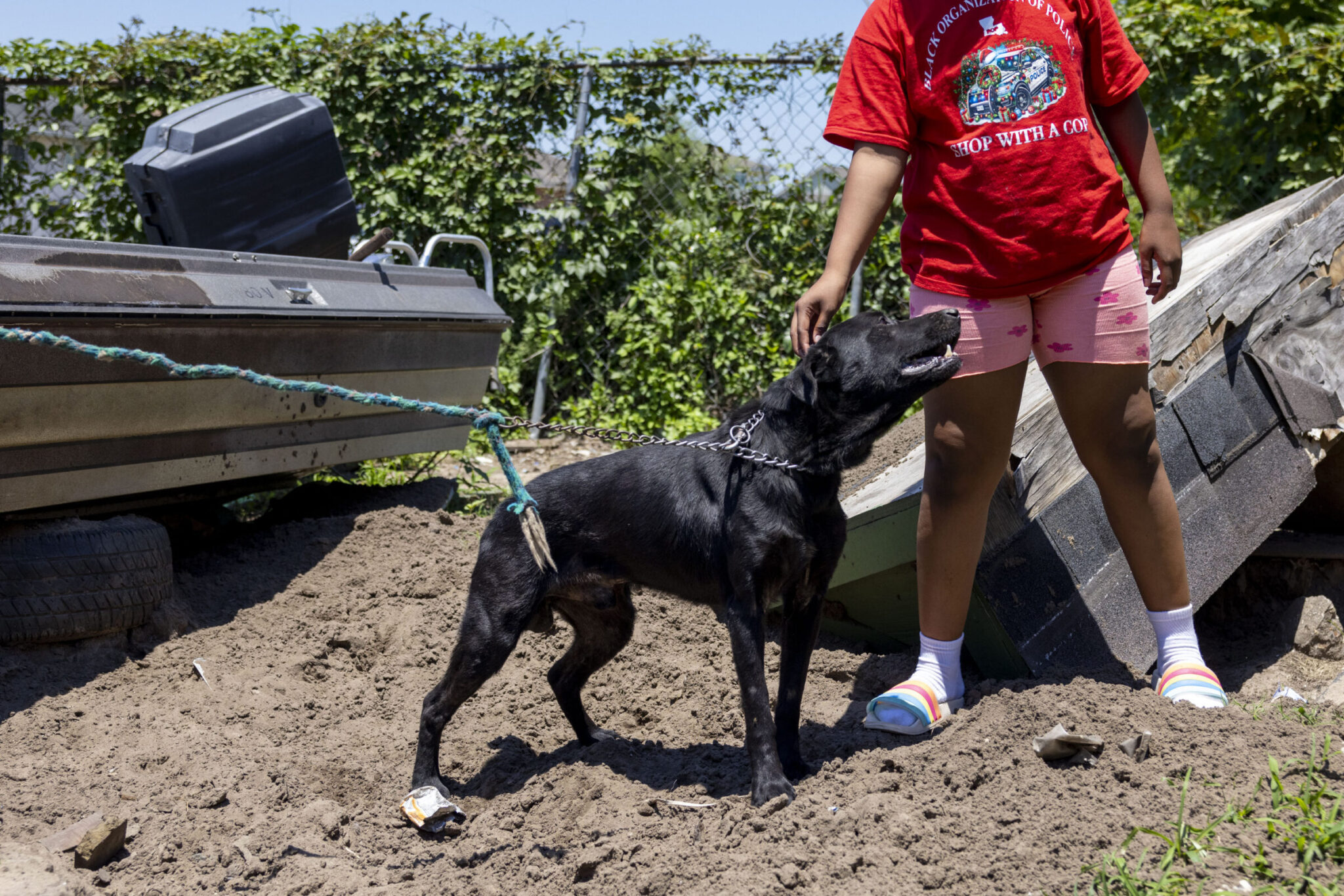
For several months, East New Orleans residents Lewis and Nivia Burke have adopted a nightly ritual: driving through their neighborhood to feed stray cats. Beyond caring for their nine indoor pets, the Burks have taken on the responsibility of looking after a growing number of feral cats appearing in their yard.
Impact of Immigration Enforcement on Animal Welfare
The situation in East New Orleans has worsened over the years, with reports of animals being abandoned. Lewis Burke noted a significant uptick in stray dogs since January, shortly after the conclusion of Operation Catahoula Crunch, which involved a heightened presence of federal immigration agents in the area. Burke posits that this uptick is not a coincidence.
Community Dynamics Under Strain
During the operations, Burke observed immigration agents conducting door-to-door checks in his neighborhood. An analysis of census data reveals that the percentage of Hispanic residents in the region has surged since the early 2000s. Consequently, many families opted to leave New Orleans for perceived safer locales, either finding refuge in other parts of the United States or returning to their home countries.
Emergency Animal Care in Light of Immigration Actions
It was within this context that Lewis adopted Rocky, an 8-pound Chihuahua-dachshund mix. He witnessed Rocky’s former owner, worried about impending arrest, leave the dog behind while returning to Honduras. The Burks find joy in helping these animals, but the financial strain often weighs heavily on them, with expenditures for pet food and veterinary care averaging between $60 to $80 weekly.
Increased Euthanasia and Surrender Rates
Ana Zorrilla, CEO of the Louisiana Society for the Prevention of Cruelty to Animals, reported that in 2025, nearly twice as many surrendered animals entered their care compared to the previous year. The organization, contracted by the city to provide animal control, attributes this increase not only to immigration arrests but also to families’ inability to care for their pets due to financial hardship exacerbated by the climate of fear surrounding potential detention or deportation.
Community Support Amid Crisis
To assist with their pet care, the Burks recently began receiving supplies from El Pueblo NOLA/NOLA Village, a local community organization. While Rosales-Fajardo, the founder, provides support, she emphasizes that she has no assured sponsorship, leaving the sustainability of her assistance uncertain. The need for food and supplies is critical, especially for those like the Burks, who are looking after animals abandoned due to immigration enforcement.
Continued Challenges in the Community
Community activists have witnessed the repercussions of immigration enforcement in East New Orleans. Rosales-Fajardo has even urged homeowners to take in pets left behind when their owners are detained. Although ICE has stated that they offer an opportunity for apprehended immigrants to arrange care for their animals, many residents remain skeptical of these guarantees. The ongoing crackdown on immigration has generated considerable fear among local populations, complicating the community’s ability to provide a stable environment for both residents and animals alike.
