


Iranian Family Faces Detention in the U.S.
In Los Angeles, an Iranian family with a decade-long history in the United States is calling for their release after being detained since early April. Eisa Hashemi, along with his wife Mariam Tamasebi and their son, were apprehended in connection with their familial relationships, including ties to Masoumeh Ebtekar, a figure notorious for her role in the 1979 U.S. Embassy crisis in Tehran. Following an arrest that has drawn attention to immigration enforcement issues, the U.S. Secretary of State has initiated proceedings to revoke their green cards and deport the family.
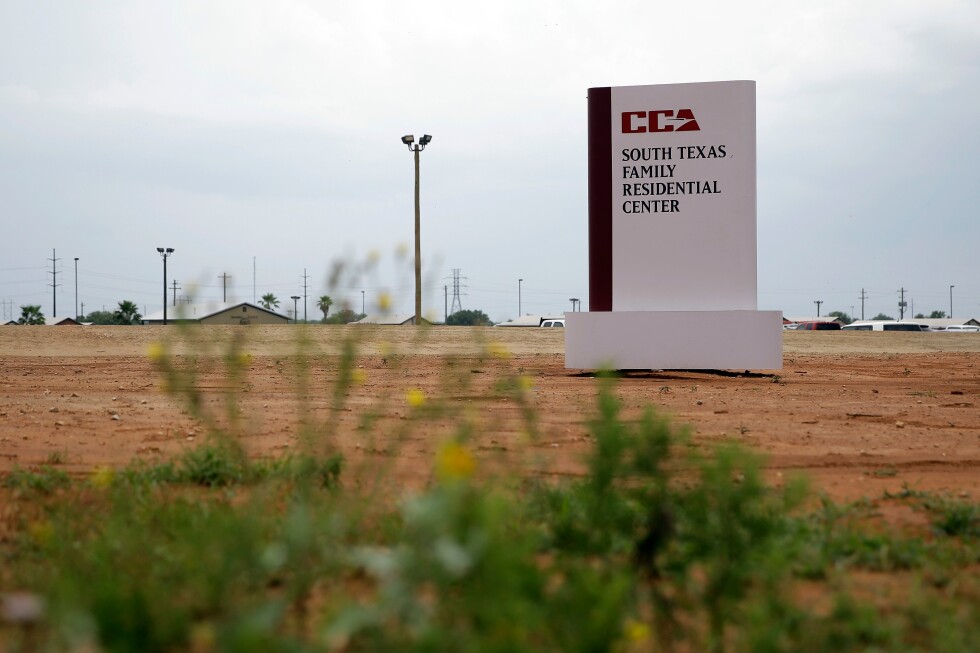
The couple has been held at an immigration detention facility in Texas, with a federal judge temporarily halting deportation efforts while they challenge the legality of their detention. They are currently awaiting further developments in their case, as their attorney Curtis Morrison emphasizes that no charges have been filed against them beyond their connection to Ebtekar.
Controversy Surrounds Immigration Law Deployments
The Trump administration’s use of an immigration law clause allows the Secretary of State to seek the expulsion of immigrants on foreign policy grounds. State Department spokesman Tommy Piggott stated that individuals with ties to Iranian officials involved in activities against the U.S. pose a significant moral challenge, suggesting their continued presence could be exploited by the Iranian government for propaganda purposes. However, the administration has yet to provide specific evidence supporting its claims regarding the family.
Activists within the Iranian diaspora have long campaigned for the expulsion of family members associated with Iranian officials, citing concerns about national security and the insult it poses to those who have fled Iran. Some of these individuals assert that attempts to address these issues escalated only after the Trump administration’s decisive actions.
Background on the Family and Their Arrests
Mariam Tamasebi and Eisa Hashemi left Iran over a decade ago to pursue higher education in the United States, eventually securing green cards through a government lottery. They settled in a gated community in Los Angeles, where they led stable lives, with Tamasebi teaching at a community college and Hashemi at a private university. Despite their efforts to live lawfully, Tamasebi expressed disbelief at their detention and insisted their family has no ties to illicit wealth or influence.
Friends of the family, including fellow academics, have rallied in support, describing the arrests as an unjust “witch hunt.” They voiced concerns over the conditions experienced by Tamasebi and her son during detention, emphasizing that the couple has never posed any violence or threats. Supporters have pointed out the misfortune of punishing individuals based on their family backgrounds, questioning the ethical implications of such actions.
Legal and Ethical Implications of the Detention
Legal experts have raised constitutional concerns regarding the administration’s application of immigration law. Some argue that the provisions being utilized may infringe upon the rights of legal immigrants, with similar legal challenges underway elsewhere in the U.S. The government maintains that the family poses a threat to national security, yet it remains unclear what that threat specifically entails.
Heidi Altman of the National Immigration Law Center commented on the troubling precedent being set, suggesting the administration’s tactics might be aimed at suppressing free speech and targeting those deemed political opponents. Concerns remain that these measures could lead to broader implications for immigrants and undermine the civil liberties guaranteed in the Constitution.
Broader Context of Deportation Efforts
Hashemi’s case is part of a broader trend, as the State Department seeks the deportation of various individuals with familial ties to former Iranian officials. This includes relatives of General Qasem Soleimani, who was killed by a U.S. drone strike in 2020. Activists and legal advocates, such as Kyanush Razaghi, stress the importance of addressing what they perceive as hypocrisy in allowing individuals connected to a government with a history of repression to remain in the United States.
Maci Alinejad, a notable activist, expressed gratitude towards the current administration for its responsiveness to cases like Hashemi’s, reflecting a long-standing campaign for accountability and justice which has burgeoned over the past several years. The legal and diplomatic ramifications of this situation continue to evolve, drawing significant scrutiny from both domestic and international observers.
