


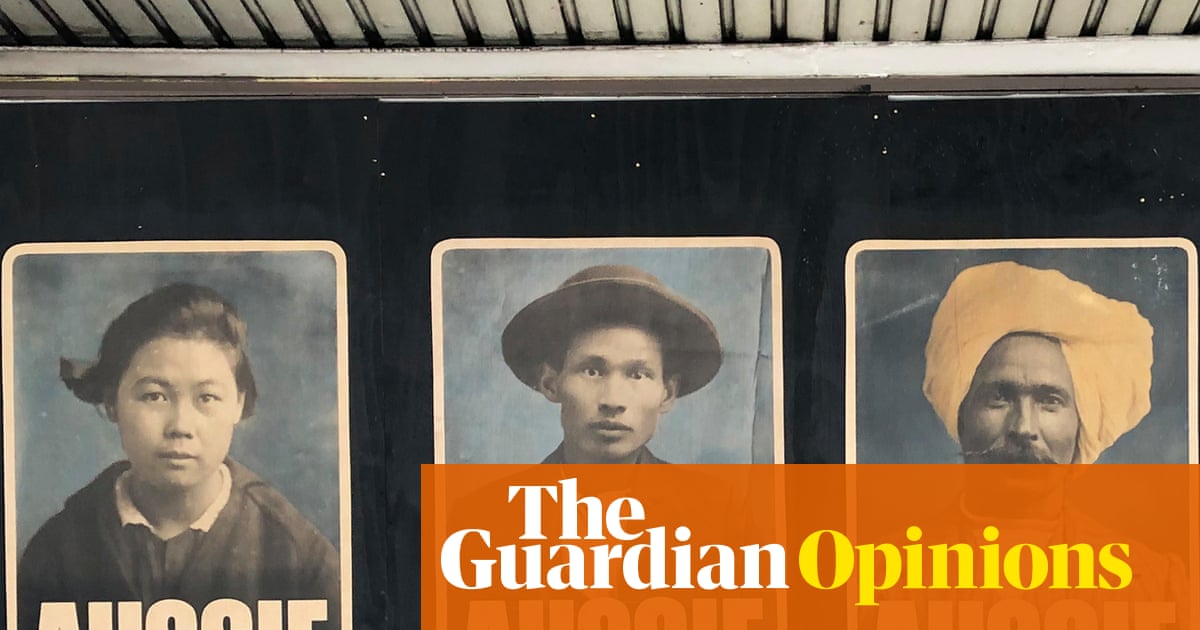
Challenging the Narrative Around Immigration in Australia
As an immigrant myself, I often find that the dominant discourse from mainstream media and right-wing politicians positions my presence in Australia as a fundamental threat to the prosperity of “ordinary” Australians, particularly those who are white. This framing suggests that immigrants are usurping jobs, homes, and cultural heritage that rightfully belong to native Australians.
A Closer Look at Perceptions of Immigration
Recent speeches, such as Angus Taylor’s response to the Budget, have reinforced the belief that Australia is experiencing an overwhelming influx of immigrants intent on disrupting the lives of locals. This perspective confounds me, especially as it implies that anyone from overseas can simply relocate and seize what they perceive as the “Australian way of life.”
The Realities of Immigrating to Australia
From my experience watching family and friends attempt to escape challenging circumstances in developing nations, I can attest that immigrating to Australia is far from simple. This process is not a spur-of-the-moment decision; it involves navigating complex pathways, including Skilled Immigration, Family/Spouse Visas, and Student Visas. Each of these options is associated with considerable costs, stringent requirements, and is often motivated by the need to address skill shortages or to sustain regional economies. It is crucial to note that asylum seekers represent only a small fraction of new arrivals.
The Commitment Required for Australian Citizenship
The significant financial and administrative hurdles involved in acquiring citizenship reflect the commitment many of us have toward our new communities. My family’s journey to Australia began in 1992 when my father secured work as an electrician after a thorough search for local candidates. My mother found employment at a supermarket, and over the years, they have built successful businesses and contributed substantially to the tax base. Throughout three decades, neither has required unemployment assistance, and they have actively participated in community life through various civic engagements.
Contextualizing Immigration Decisions
While my family has built a fulfilling life in Australia, it is important to recognize that had conditions in Fiji been more favorable, they would have preferred to remain in their home country. Economic security and safety were compromised by a history of violent political upheavals rooted in longstanding racial tensions, underscoring that the decision to immigrate is rarely taken lightly.
The Misconception of Immigration as an Impulsive Choice
Immigrating to Australia is not a trivial endeavor; it incurs substantial social and economic costs. Furthermore, Australia’s appeal as a migration destination cannot be solely attributed to its perceived cultural advantages. The reality is that Australia has developed on land acquired through dispossession and has historically relied on immigrant labor to build its status as a prosperous democracy.
Unpacking the Scapegoating of Immigrants
In times of economic difficulty, immigrants often become convenient scapegoats. Our differences can render us targets for blame within a political landscape that exploits racial narratives to galvanize support. The portrayal of immigrants as greedy foreigners intent on taking what belongs to Australians is fundamentally flawed and contradicted by the operational realities of our immigration system.
Zoya Patel is a writer and editor based in Canberra.
