


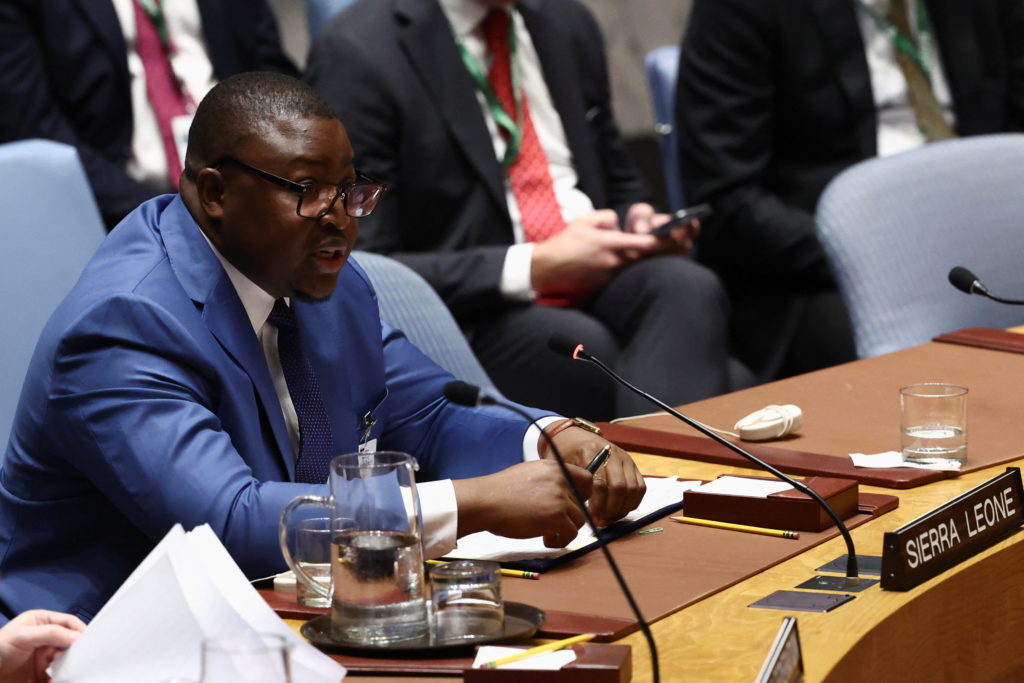
Increased Deportations from the U.S. to Sierra Leone
FREETOWN, Sierra Leone — The Sierra Leonean government confirmed on Wednesday that nine migrants deported from the United States have arrived in the country. This event underscores the controversial agreements established during the Trump administration, which aimed to relocate third-country deportees to various nations in Africa and Latin America.
Composition of the Deportees
According to the Ministry of Information, the group comprises five individuals from Ghana, two from Guinea, one from Senegal, and one from Nigeria. These agreements have ignited concerns regarding the human rights of migrants and the implications for their well-being in receiving countries.
Support Available for New Arrivals
A statement from the ministry indicated that the new arrivals have been placed in reception facilities where they are reported to be receiving adequate support and care. Originally, 24 individuals were slated for deportation; however, the specifics surrounding those who were not deported remain undisclosed.
Legal Challenges in Deportation Process
Alma David, an immigration lawyer with the Novo Legal Group, noted that the reduced number of deportees may result from interventions that halted multiple deportations just prior to departure. Additionally, a ruling by a U.S. federal judge blocked the deportation of a Sierra Leonean woman, citing the government’s failure to provide necessary protections as mandated by the law.
Sierra Leone’s Temporary Hosting Agreement
Foreign Minister Timothy Kabba explained that Sierra Leone has consented to temporarily accommodate deportees from the Trump administration, with the stipulation that only West African nationals will be accepted. This initiative is bolstered by a $1.5 million grant from the U.S. government.
Facilities and Management for Deportees
The Ministry of Information announced via Facebook that the private contractor Kemba Solutions has been appointed to oversee the housing, food, and medical support for the deportees. Under the new arrangement, deportees are expected to be returned or relocated within 14 days, extendable to 30 days under exceptional circumstances.
Broader Context of Third-Country Deportation Agreements
Eligibility for this deportation program is capped at 25 individuals per month and 300 annually. The terms of the agreement, however, have not been publicly detailed. The United States has entered into similar agreements with at least eight other African nations, many of which are already grappling with the repercussions of the Trump administration’s restrictive policies on trade, aid, and immigration.
Concerns About Human Rights
Activists and legal experts have raised serious concerns about the implications of these third-country deportation agreements, particularly with nations known for human rights abuses, such as Eswatini, South Sudan, and Equatorial Guinea. These negotiations often include substantial financial incentives, although many details remain undisclosed. Additionally, countries in Latin America, including Costa Rica, the Dominican Republic, and Honduras, are also involved in similar arrangements to accept deported individuals.
A recent ruling by a federal judge mandated that the Trump administration must admit a Colombian woman back into the United States after Congo, which was slated to receive her, failed to meet her medical needs. This case highlights the growing scrutiny and legal challenges surrounding U.S. deportation practices.
