


Chilean Government Strengthens Border Controls Amidst Immigration Concerns
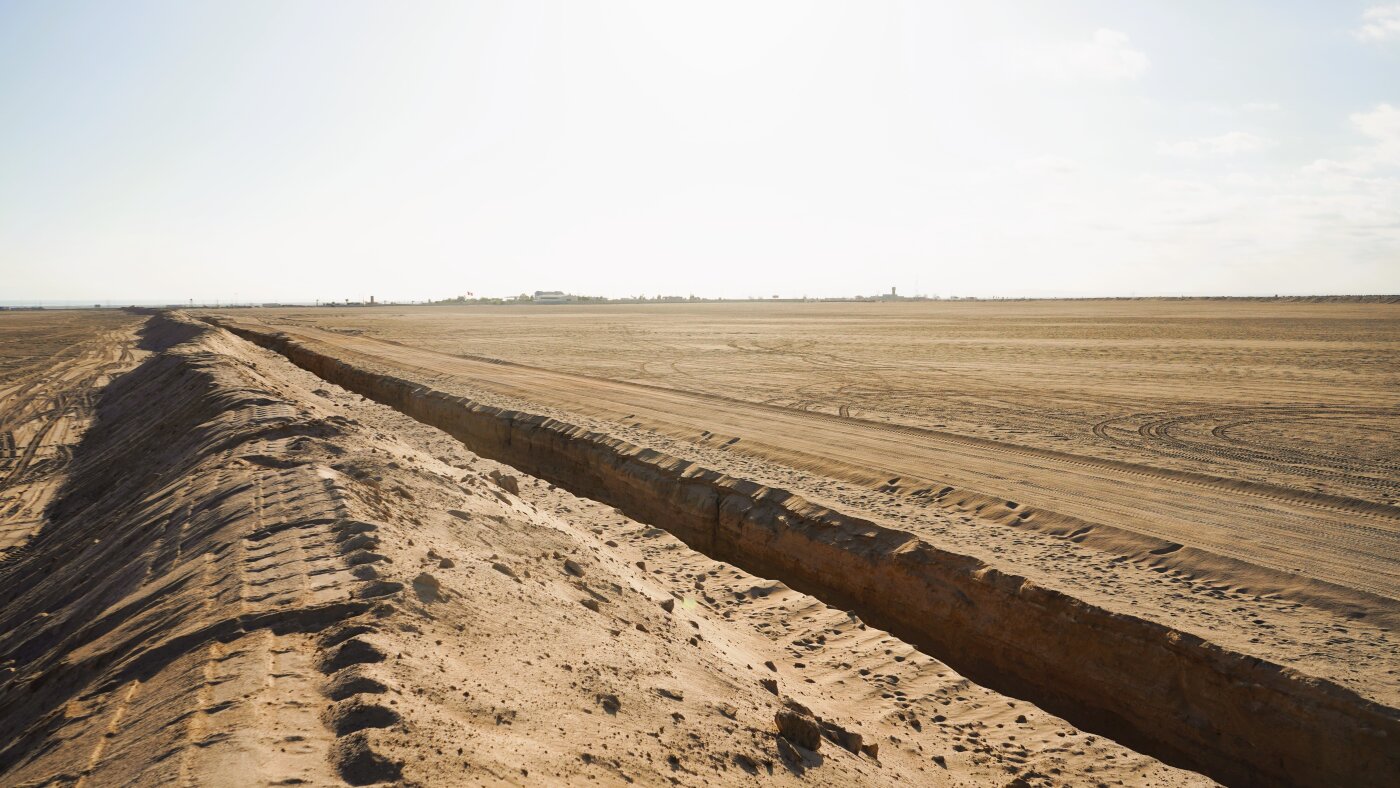
ARICA, Chile—A cool wind sweeps through the Pampas, stirring up dust across Chile’s northern coastline. In a show of force, military excavators are digging deep trenches along the border with Peru, part of a broader strategy by President José Antonio Casto to tighten controls on migration and cross-border crime.
As crews operate a pair of sandy-yellow excavators, digging up to 10 feet deep and pushing dirt onto raised embankments, the scene is a stark reminder of the ongoing security challenges. A few hundred yards away, Peruvian border police watch vigilantly from beneath tattered blue awnings, monitoring Chilean movements alongside the border.
The new trench system is a response to an immigration crisis that propelled Casto to victory with 58% of the vote in a December runoff election. The initiative mirrors the border wall approach emphasized by former U.S. President Donald Trump, highlighting Casto’s focus on tightening immigration policies. Throughout his campaign, he threatened to deport approximately 336,000 undocumented immigrants in Chile, though only about 40 individuals have been deported in practice since he took office.
Casto, an ultra-conservative Catholic and veteran of Chilean politics, has built his career around hardline stances on immigration and national security. Since assuming office, he has emphasized the dire need to fortify Chile’s borders against illegal immigration, drug trafficking, and organized crime. “We want to use our excavators to build a sovereign Chile weakened by illegal immigration and related threats,” he stated during a recent visit to the area.
According to Cristian Saies, a representative of the northern administrative region, work is progressing with about 53.6% completion along a stretch of approximately 6 kilometers. This initiative is part of a broader Border Shield project designed to protect a 1,200-kilometer border shared with Peru and Bolivia. The project will include additional trenching and surveillance measures, with plans to bolster security with technology like drones equipped with thermal cameras and facial recognition systems.
Despite these efforts, the urgency of the border blockade is rendered somewhat moot by recent statistics showing a decline in illegal crossings. Inspector José Contreras Hernández from the Chilean Investigative Police reported that attempted illegal crossings fell from approximately 2,460 in 2024 to around 1,746 in 2025. The current trend indicates a marked increase in individuals attempting to leave Chile rather than enter, attributed to shifting migration policies and regional stability concerns.
As of early this year, nearly 500 illegal crossings have already been intercepted in the regions of Arica y Parinacota, compared to just 33 in all of 2024. Saies notes that the government is committed to ongoing reviews of border deterrents, emphasizing the dynamic nature of border control measures. However, work to secure the trenches is complicated by natural elements, with desert winds already threatening to fill the excavated barriers with sand.
Moreover, the Casto administration has proposed new legislation in Congress aimed at criminalizing illegal immigration while also restricting undocumented immigrants’ access to social security benefits. Questions linger, however, about the effectiveness of such physical barriers along segments of Chile’s extensive and porous border network. As the dangers of illegal crossings persist, it remains uncertain whether the current measures can substantially deter the flow of migrants and contraband.
