


Secret Returns of Asylum Seekers Raise Concerns Over UK’s Immigration Policies
An asylum seeker recently returned to the UK from France under the controversial ‘one-in-one-out’ scheme is now living in hiding, according to a report by the Guardian. This revelation sheds light on the challenges faced by individuals caught in the web of migration and the complexities of current border policies.
In an exclusive interview, the returnee described his situation as “hopeless.” He revealed that he is aware of at least 18 other first-time asylum seekers who have managed to return to the UK in a similar fashion, also living in secrecy. This underscores a troubling trend among returnees, highlighting the ongoing challenges of the asylum process.
During his harrowing journey back to the UK, the man reported that smugglers attempted to force him to work for them after his deportation. He recounted that when he rejected their demands, he suffered severe beatings, resulting in visible injuries. Fearing for his safety, he felt compelled to return to what he regarded as a much safer environment.
The individual expressed that many in the refugee community were advised to travel by truck rather than boat, citing the higher costs associated with crossing the Channel by smaller vessels. A small boat crossing, he stated, could cost between €1,000 and €2,000, whereas traveling via truck ranged from €4,000 to €5,000.
Despite the UK government’s initiative aimed at deterring small boat crossings and breaking up smuggling operations, reports indicate that thousands of asylum seekers continue to risk their lives crossing the Channel. Adapting to stricter regulations, smugglers are now launching more vessels from Belgium and offering alternative transport methods to evade law enforcement.
While the number of crossings has fallen by about a third this year compared to the same period last year, experts believe this decrease may be attributed to treacherous weather conditions that have made Channel crossings increasingly perilous. As of late April, 605 individuals had returned to France under the one-in-one-out scheme, while 581 had re-entered the UK.
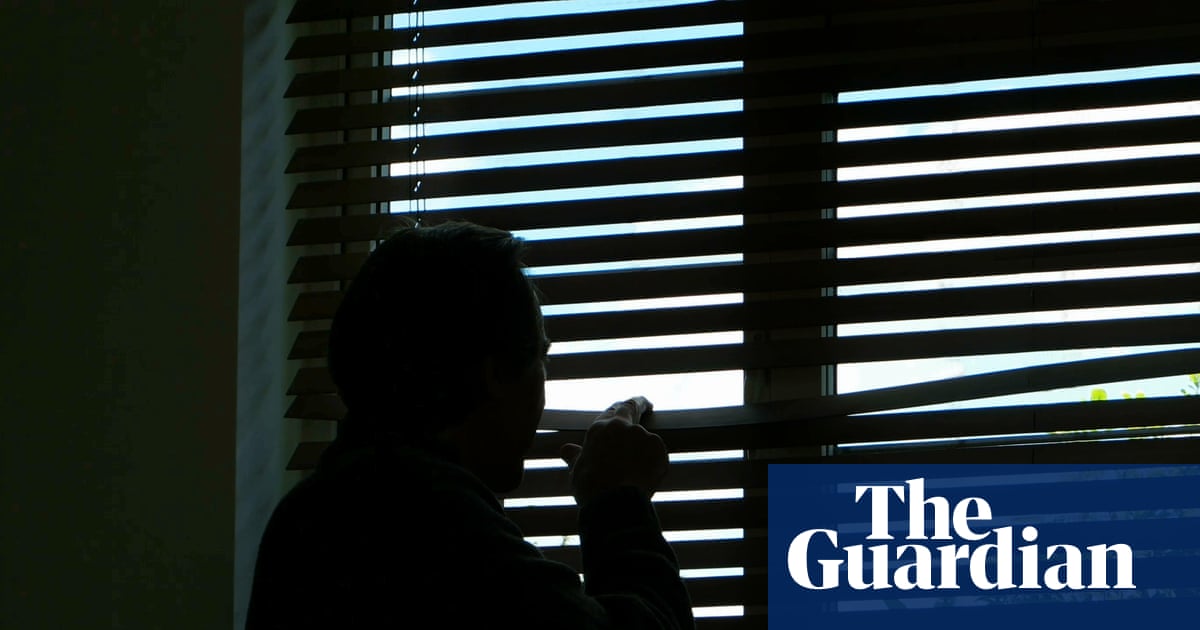
The returnee admits to not working illegally in the UK and expressed profound fear about stepping outside the room provided by a friend who has taken him in. He feels trapped between the threat of smugglers, the police, and the Home Office, with no clear path to a safe and stable life. His concern for personal safety drives home the psychological toll of living in such precarious conditions.
Another asylum seeker, who left the UK in January after over a decade due to fears of deportation, described receiving an email from the Home Office unaware of his departure. Living in Italy, he found it peculiar that the authorities thought he was still in the UK and expressed a desire to return legally, emphasizing the challenges inherent in navigating the current immigration landscape.
Seema Syeda from the Joint Council for the Welfare of Immigrants criticized the home office’s border control regime, stating that it forces individuals into perilous situations and criminalizes their search for safety. She advocates for alternate routes for asylum seekers, suggesting that public funds would be better allocated to enhancing services and addressing socio-economic issues rather than enforcing strict border measures. In response, a Home Office spokesperson maintained that those attempting to return after being removed would face further deportation, asserting that enforcement and asylum processes had significantly strengthened.
