


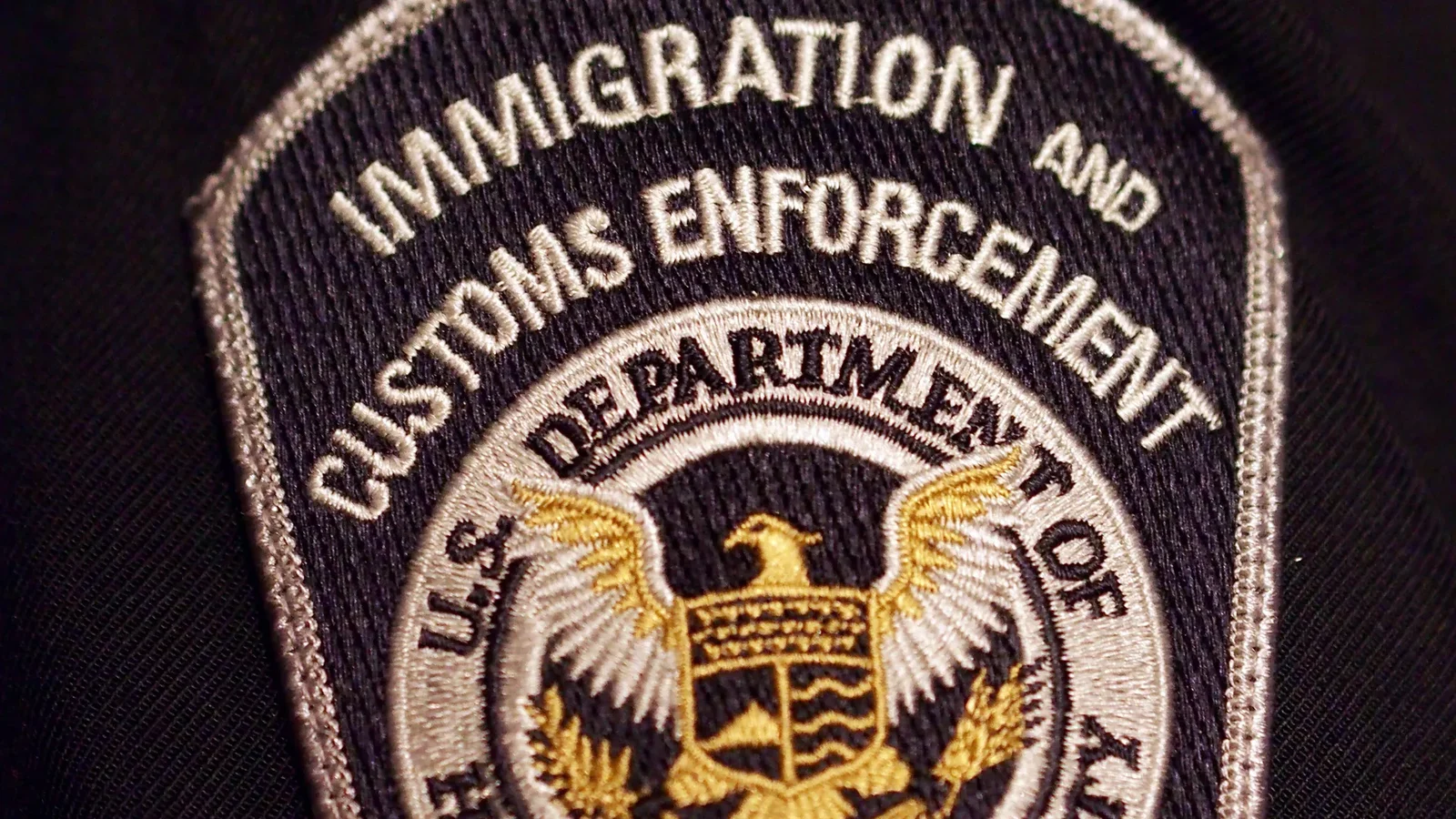
Growing Immigration Enforcement Necessitates Proactive HR Strategies
As federal agencies ramp up immigration enforcement in the workplace, it is crucial for human resources professionals to adopt a proactive approach. At the CBIA’s 2026 Human Resources Conference held in Bristol on May 20, Lauren Hopwood, a partner at Carmody Torrance Sandak & Hennessy, emphasized the challenges employers face in preparing for potential government visits.
Employers’ anxieties are paralleled by worker uncertainty regarding their rights and how to respond should federal agents arrive at their workplace. This concern spurred a robust discussion during the conference, where Hopwood and attorney Johanna Buckmare guided HR managers on procedures to follow in the event of an Immigration and Customs Enforcement (ICE) officer’s arrival on-site.
Understanding ICE Authorities
The speakers highlighted critical distinctions between judicial and administrative warrants, guiding employers on effective communication with employees and proactive measures to mitigate I-9 compliance risks. Buckmare pointed out that ICE’s authority can differ based on the setting, noting that officers possess distinct powers in public spaces like sidewalks, parking lots, and lobbies. Importantly, she stressed that ICE cannot enter private areas without a valid judicial warrant or consent.
Federal guidelines typically require employers to receive a minimum of three business days’ notice before the inspection of Form I-9 records. Nonetheless, authorities may issue subpoenas or warrants without advance notification in certain cases. Buckmare advised employers to scrutinize warrants carefully, paying close attention to their issuer, signatures, correct addresses, and validity, noting that they must be signed by a judge or magistrate—not an immigration judge. Administrative warrants, on the other hand, do not legally permit ICE officers to enter private property.
Strategizing for Compliance
Both Hopwood and Buckmare underscored the importance of preemptive planning before any enforcement actions occur. They recommend that organizations designate trained staff members to interact with executives, make critical decisions, and disseminate clear plans across the company.
“Having a comprehensive plan that is effectively communicated throughout the organization is vital,” Hopwood noted. In times of upheaval, she warned, “panic and complete chaos are scenarios that employers wish to avoid,” as such situations expose organizations to significant liability.
Addressing Compliance Risks
Employers must also prioritize compliance with Form I-9, the document used to verify employee identity and work authorization. Hopwood highlighted an increasing trend in I-9 audits, typically conducted by the Department of Homeland Security’s Investigations Division. She strongly encouraged employers to consider undergoing either an internal or external audit to evaluate their risk profile and ensure readiness in case of an audit notice from Homeland Security Investigations (HSI).
Given that employers often have just three days to complete an I-9 form, Hopwood recommended transitioning to digital record-keeping. This shift not only facilitates better accessibility and organization but may also serve as a demonstration of good faith compliance, potentially reducing civil penalties and fines.
Empowering Employees with Knowledge
Buckmare emphasized the importance of ensuring that employees fully understand their rights, especially amidst fears of enforcement actions. However, she cautioned that employers should refrain from instructing employees on how to respond. “Everyone has the right to remain silent, regardless of their immigration status,” she stated, highlighting that employees have the option to decline discussions with ICE.
Workers also hold the legal right to refuse to present identification that reveals their nationality or citizenship. Still, Buckmare noted that having proper documentation can facilitate a more efficient process for those needing to engage with authorities. Both Buckmare and Hopwood reiterated the significance of preparing well in advance for any potential government interactions, be it ICE enforcement or compliance issues, to ensure readiness in the face of uncertainty.
