


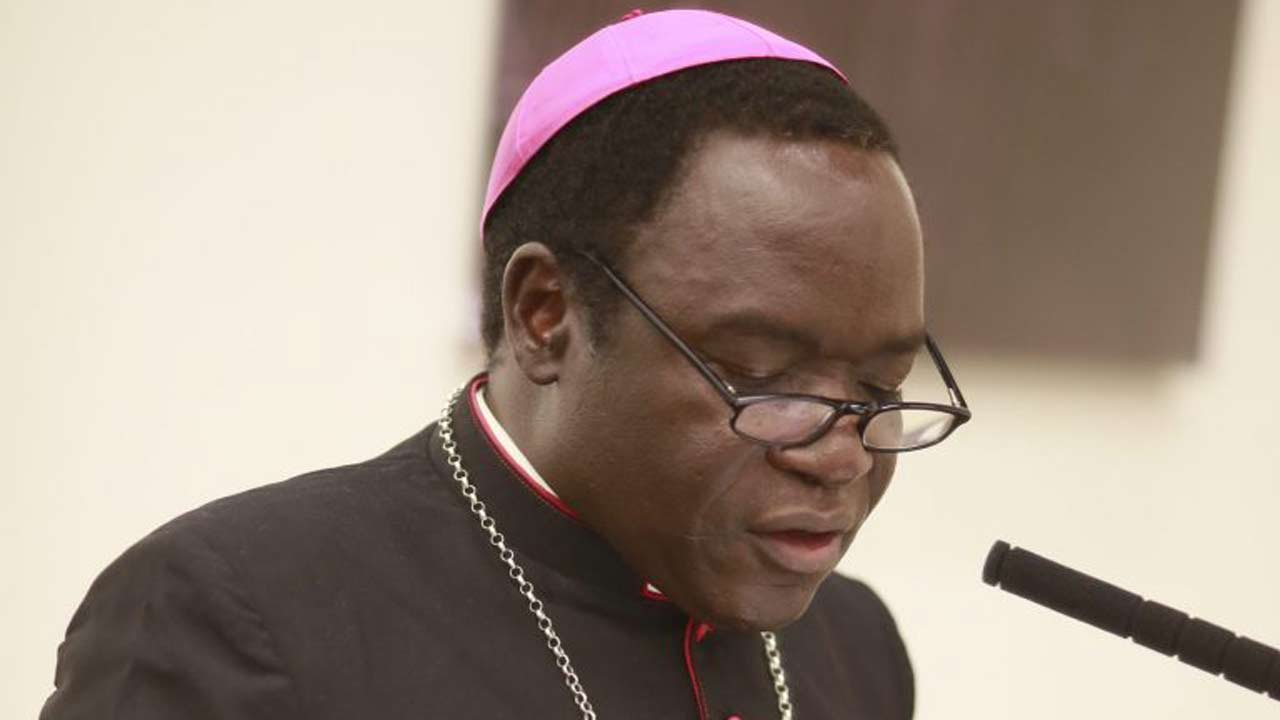
Remembering Bishop Matthew Kukah’s Impact on Nigeria
Newswatch has a tradition of engaging in thoughtful discussions to select talented columnists for its publication. This process is no arbitrary matter; we firmly believe that column writing represents an esteemed role, one that should only be entrusted to individuals who possess both the skill to wield words effectively and the courage to address pressing issues. This principle guided our decision to invite accomplished individuals like Nii Osundare, Adebayo Williams, Pat Utomi, and Bishop Matthew Kukah. Knowing Kukah’s background as a priest, we never confined him to writing exclusively about religion. Instead, we sought his insights on Nigeria’s socio-political landscape, and for over a decade, he delivered refreshing perspectives on the state of the nation and the erosion of values that followed its promising independence.
A Milestone Celebration
On August 31 this year, Bishop Kukah celebrated his 70th birthday, a milestone that garnered attention from both supporters and critics alike. This moment holds significance not only as a personal triumph but also for the influence he wields across the Catholic Church, Nigerian society, and even beyond. His words and actions have touched numerous lives, serving as a toast to his ongoing contributions in this column.
Balancing Praise and Criticism
Kukah has received accolades from many Nigerians, though those who harbor dissenting opinions often choose to remain silent or mumble their objections. Nevertheless, the respect he commands is evident, particularly given how few religious leaders over 70 attract as much attention as he does on entering this new chapter of his life.
An Academic Journey
With a focus on philosophy and theology from St. Augustine’s Seminary in Jos, Bishop Kukah was ordained on December 19, 1976. He earned a Bachelor of Theology at the Pontifical Union University in Rome in the same year and followed it with a Master’s degree in Peace Studies from the University of Bradford in the UK. His educational pursuits culminated in a PhD from the School of Oriental and African Studies at the University of London in 1990. This ambitious academic journey has equipped him to address public affairs with insight and integrity, separating him from many of his contemporaries who engage in prosperity preaching.
Media Influence and Public Engagement
Bishop Kukah first emerged as a public figure when his father was appointed Secretary to the Catholic Secretariat in Lagos. He transformed the office’s image by fostering relationships with journalists and social activists, issuing compelling press releases, and demonstrating a knack for engaging interviews filled with humor and insight. As a result, he became a regular feature in the media, elevating the Catholic Secretariat into a significant hub of news during his tenure. His subsequent elevation to the bishopric prompted both congratulations from journalists and a sense of loss for the media community he had enriched.
Advocacy and Public Service
Beyond his clerical responsibilities, Kukah has actively participated in Nigeria’s public life. He served as Secretary of the National Political Council and as a member of the National Human Rights Commission of Inquiry during President Olusegun Obasanjo’s administration. His role on the Electoral Reform Commission between 2007 and 2009, as well as his chairmanship of the Ogoni/Shell Reconciliation Committee, underscores his belief in impartiality and justice. His selection for various public duties by several administrations reflects a widespread acknowledgment of his commitment to peace and good governance.
Courage in Advocacy
Despite facing skepticism from some quarters of President Buhari’s administration, Kukah has remained steadfast in his advocacy for equitable governance. He is unafraid to engage in public debate about the performance of the current government, challenging officials to discuss the pressing issues facing Nigeria. His willingness to confront power dynamics head-on demonstrates both his courage and his dedication to serving the marginalized citizens of the country. As he continues this vital work, Kukah’s contributions as a theologian, intellectual, and public servant are more important than ever.
We extend our heartfelt wishes to Bishop Matthew Kukah as he continues to guide both the spiritual and secular communities in Nigeria. His dedication serves as an inspiration, and we trust he will persist in his invaluable role for many more years to come.
