


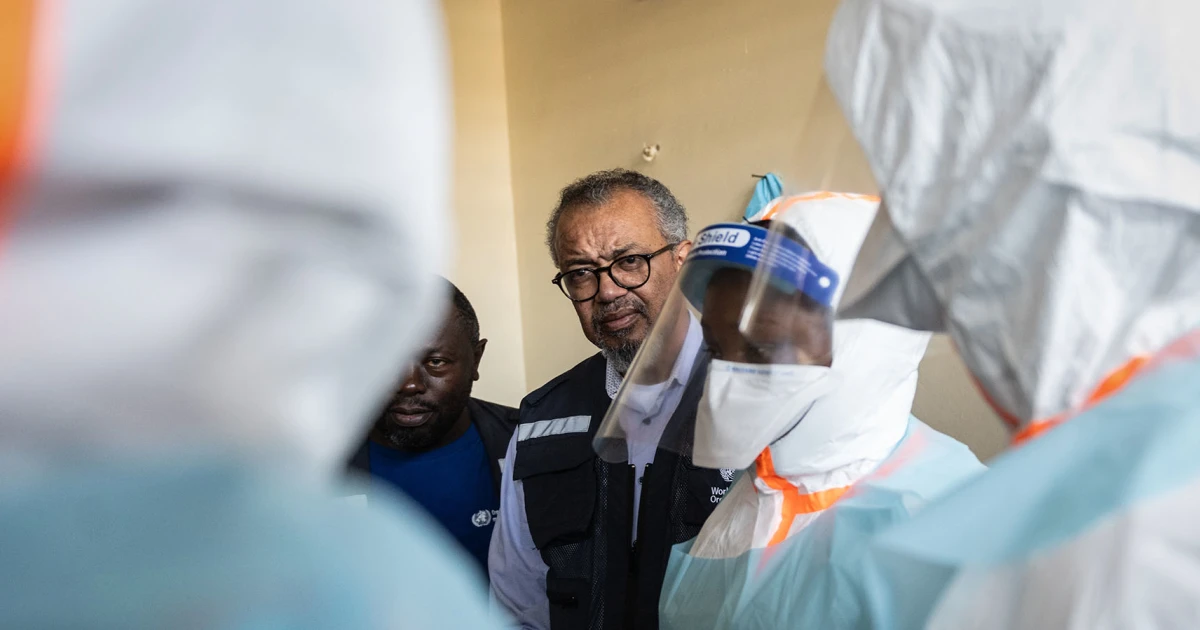
Ebola Crisis Intensifies as WHO Responds in Democratic Republic of Congo
As the Ebola outbreak unfolds, the World Health Organization’s Director-General has arrived in the affected region, where over 1,100 suspected cases of a particularly virulent strain have been reported. This urgent visit comes amidst escalating concerns over the virus’s spread.
Brazilian authorities are currently investigating two suspected cases of Ebola amid rising global alarm. This surge in attention highlights the potential for the outbreak to extend beyond the Democratic Republic of Congo (DRC) and Uganda, where the crisis is centered.
Dr. Tedros Adhanom Ghebreyesus confirmed during his visit to Bunia, the capital of Ituri province, that timely medical care can enable individuals infected with the Bundibugyo virus to recover, even in the absence of a vaccine or specific treatment. “It is critical that we act swiftly,” he emphasized after touring a newly established Ebola treatment facility.
On Sunday, the WHO reported that four nurses receiving treatment for Ebola had successfully recovered and been discharged from the hospital in Bunia. This brings the total number of recoveries in the DRC to five, with one laboratory worker also confirmed to have overcome the virus.
In an editorial published in the Financial Times, Dr. Jean Kaseya of the Africa CDC outlined alarming statistics: as of May 30, over 1,100 suspected cases were under investigation, with 263 confirmed cases and 43 deaths recorded across both DRC and Uganda. The WHO echoed these findings, reporting an increase to 291 confirmed cases, up from 128 the previous week, signifying the outbreak’s rapid escalation.
Dr. Kaseya underscored the urgency of the situation, warning that the outbreak’s regional spread has already begun. A joint statement from the DRC government and the WHO noted persistent challenges in containing the outbreak, including effective detection, isolation, contact tracing, and dignified burial practices for victims.
Last month, the WHO classified the Bundibugyo virus outbreak as a public health emergency of international concern, though it does not fit the criteria for a pandemic emergency. The current outbreak, the third largest since the disease was first identified 50 years ago, has swiftly outpaced global responses, causing considerable unrest and fear in affected communities.
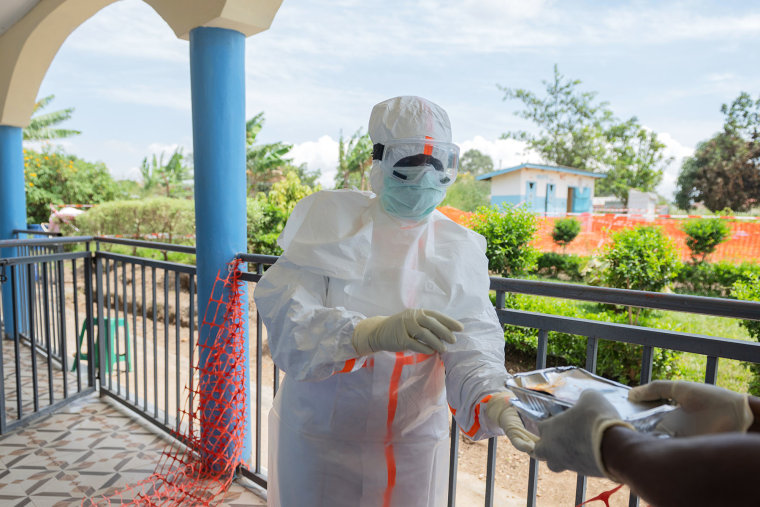
Amid these developments, Médecins Sans Frontières (MSF) remarked on the unprecedented speed at which this outbreak is continuing to unfold. They reiterated the urgent need for more medical personnel and accessible on-site testing to manage the crisis effectively.
In response to potential cases outside Africa, health officials in Brazil are investigating a suspected Ebola case in São Paulo, which tested positive for meningitis. Another suspected case has been identified in Rio de Janeiro, although initial tests confirmed malaria rather than Ebola. Furthermore, in Italy, a man returning from Congo had initially sparked concerns; however, subsequent tests confirmed he did not have the virus.
