


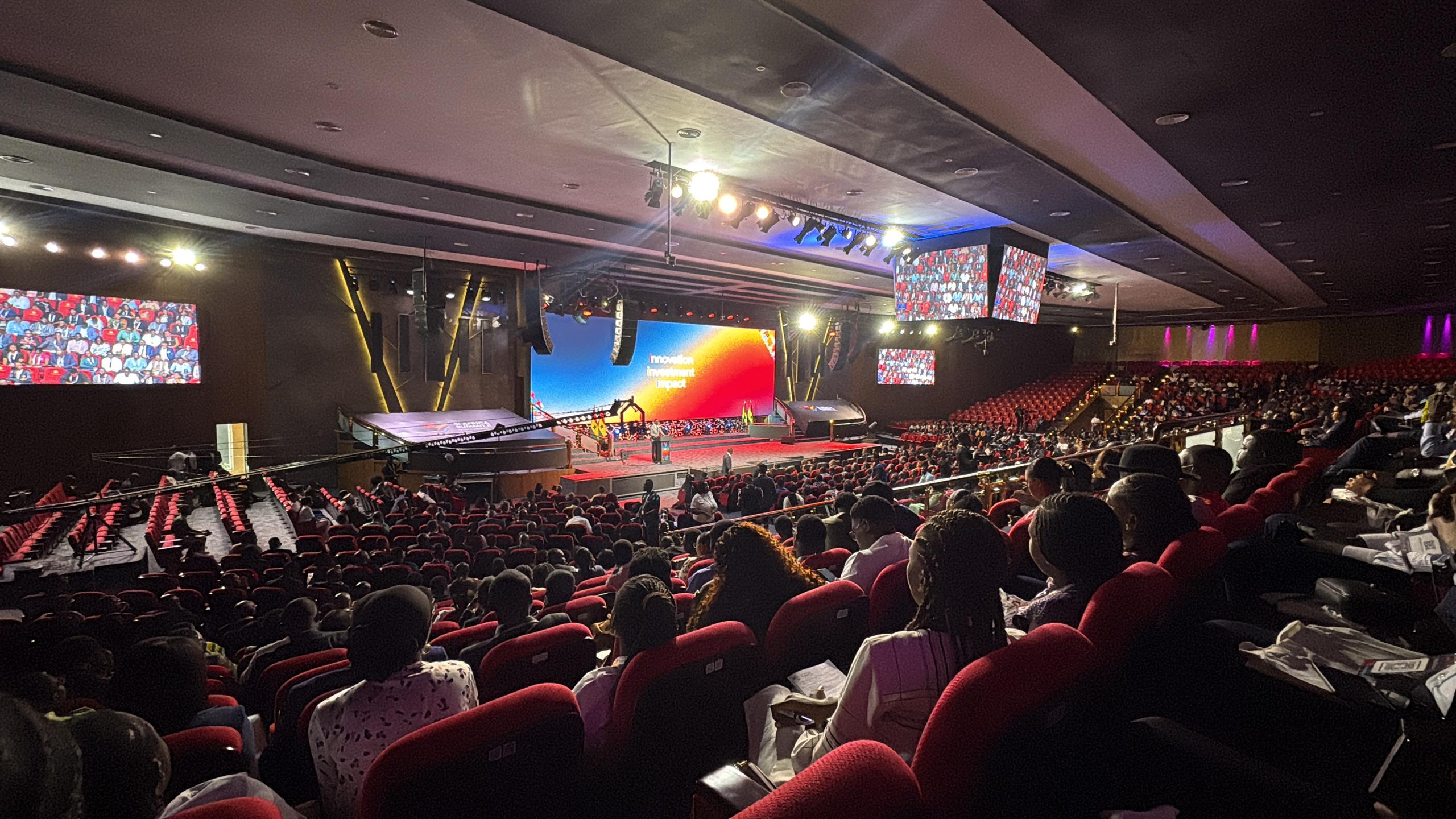
At the recent 3i Africa Summit in Accra, an unexpected moment unfolded as prominent figures openly expressed their frustrations. Prime Minister Oyiwo, CEO of the Nigeria Interbank Settlement System (NIBSS)—the country’s largest payments exchange—shared a candid sentiment that is rarely heard from executives in his position. On the second day of the Bank of Ghana’s annual summit, he admitted his fatigue with conferences that often promise solutions but fail to deliver.
Many panel discussions at conferences follow a predictable format: a host presents a handful of decision makers, guided by a respected moderator, to explore a series of questions for approximately half an hour. The session concludes amidst applause, yet little materializes in terms of meaningful change or actionable outcomes.
Oyiwo’s panel focused on the goal of uniting African countries into a cohesive financial bloc, akin to the financial systems of the European Union. While initiatives like the Pan-African Payments and Settlement System (PAPSS) exist, the dream of a truly borderless payment mechanism in Africa seems as distant as ever. Despite this, Oyiwo made the trip to Accra, reconfiguring his schedule to attend a meeting for which many would compete to secure a spot, and traveling extensively across the continent to address lingering issues.
His motivation wasn’t simply to participate in the panel; it was about convening influential figures from various central banks and regulatory bodies in one location—something that could take months of outreach otherwise. Fellow industry leader Olugbenga “GB” Agboola, CEO of Flutterwave, echoed this sentiment, revealing that he, along with his legal and compliance teams, valued the unique chance to engage with regulators from different markets. For payment companies dependent on regulatory endorsements, the networking opportunities far outweigh the structured discussions.
My own attendance at the summit, my second time there and first as a speaker, was fuelled by the prospect of connecting with new sources, founders, and regulators. For leaders like Oyiwo and Agboola, spending a few days in the company of regulators, partners, and industry peers justifies attending multiple conferences, even if the panel discussions themselves may feel repetitive.
Understanding Conference Dynamics
The value derived from a conference varies significantly among attendees. For founders, these events can unlock access to capital and potential customers. For instance, TechCabal’s Moonshot event attracts investors representing over $5 billion in capital, making brief conversations with fund partners more fruitful than cold calls. Meeting prospective clients can expedite lengthy sales processes.
Meanwhile, regulators find conferences to be invaluable environments for networking. Among peers, central bankers can glean insights about market directions from conversations with executives, often gaining more from dialogue than from reports. For companies like Flutterwave, the ability to meet multiple regulators in one location saves considerable time and travel expenses.
Reporters also benefit from these gatherings. Face-to-face interactions foster relationships that can facilitate future engagement. When sources remember an in-person encounter, they are often more receptive to subsequent communications, enhancing the reporter’s ability to uncover stories.
However, there are limitations. Access to influential circles often favors those with existing capital or standing. While efforts are made to promote inclusion through diverse panels, much of the networking value tends to circulate among those who can afford the associated costs.
Reevaluating Panel Discussions
It’s crucial to acknowledge the inherent limitations of staged discussions. Panels serve as performances rather than problem-solving sessions, and attendees understand this dynamic. Complex issues, such as Africa’s cross-border payment challenges, can’t be resolved in 40 minutes under the scrutiny of an audience. Meaningful dialogues often occur outside of the formal setting—over lunch, in hallways, or during casual gatherings at nearby bars, where genuine connections can be made.
Conferences excel at bringing together diverse talent within a single city, providing an opportunity for open dialogue and relationship-building. These informal settings can lay the groundwork for partnerships that ultimately lead to resolutions.
Key Takeaways for Attendees
To maximize the benefits of attending a conference, it’s essential to focus on the people present rather than the content presented on stage. Judging events solely by panel discussions can lead to frustration, as these sessions often do not generate immediate solutions. Instead, the true measure of success lies in the ability for attendees to mingle and form connections that may not have been possible prior to the event.
Organizers need to prioritize the guest list over programming, ensuring that influential participants are present and easily accessible. Initiatives like TechCabal’s Deal Room facilitate private conversations that may not occur during public sessions, further enhancing networking opportunities.
Participants should enter conferences with clear expectations. They should prioritize informal interactions over formal panels, strike up conversations with strangers, and explore the potential for collaboration. Ultimately, the real value lies in the network established within those conference walls.
Muktar Oladunmade
Muktar Oladunmade is a senior reporter at TechCabal, specializing in fintech, venture capital, and startups across Africa. He spoke at the 2026 3i Africa Summit in Accra.
