


Investigation Reveals Inadequate Medical Care in Immigration Detention Facilities
An investigation by KFF Health News and The Associated Press has uncovered alarming claims from detainees across at least 33 states, highlighting a significant failure of immigration detention facilities to provide essential medical care.
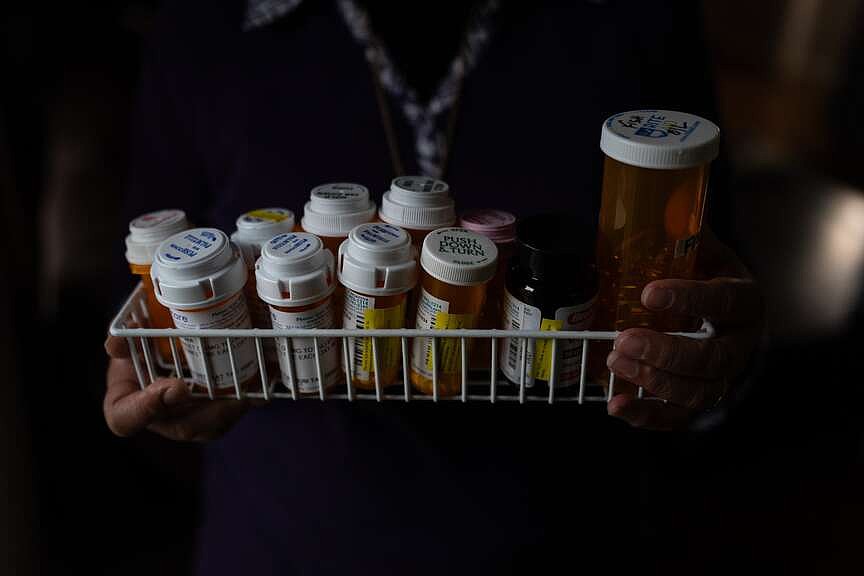
Many detainees report they have experienced delays or outright neglect in receiving critical medications for conditions such as high blood pressure, diabetes, depression, epilepsy, Parkinson’s disease, and HIV. One detainee noted that their pleas for assistance went unanswered for weeks, resulting in deteriorating health, including worsened infections and untreated cancer, culminating in a seizure.
The struggle to meet the medical needs of individuals in U.S. prisons and immigration detention centers is not new. However, the system has faced increased strain since President Donald Trump took office, with the number of immigrants in U.S. Immigration and Customs Enforcement (ICE) custody jumping from approximately 40,000 to over 75,000 by mid-January.
KFF Health News and The Associated Press reached out to the Department of Homeland Security (DHS) for comment on their findings six days prior to publication but received no response. DHS Acting Chief Medical Officer Sean Conley previously asserted that the agency ensures timely medical care for detainees, stating that the standards provided exceed what many individuals have experienced before entering custody.
Facilities contracted with DHS and private prison companies defended their practices, asserting compliance with ICE standards and a commitment to providing adequate medical care. Some facilities contended they were unaware of the allegations detailed in court documents, while others attributed the poor medical care to detainees’ own actions.
Through an analysis of thousands of lawsuits filed since the onset of Trump’s administration, KFF Health News and The Associated Press shed light on how detainees express, often under legal penalties, the failures in ICE’s medical response. Reporters also conversed with over 50 detainees, their families, and legal representatives.
The investigation revealed widespread issues of medical neglect within the detention system, spanning facilities ill-equipped to house individuals with urgent health needs, including makeshift detention centers and county jails often described with derogatory nicknames.
Persistent Medical Needs in Detention
Historically, detainees with severe medical issues would likely have been granted humanitarian parole to mitigate the financial burden of their healthcare. However, individuals are now subjected to costly and prolonged detention without necessary care.
One case involved a Romanian national who underwent multiple heart surgeries, including an emergency triple bypass, prior to his arrest. Despite requiring 16 different medications daily for recovery, he reportedly went two days without any medication while in ICE custody in Baltimore before being transferred to a New Jersey facility.
Medical records indicate he was hospitalized three times for chest pain due to the facility’s failure to provide his prescribed medications despite numerous requests. Discharge papers indicated he received only half of his necessary medications after one such hospitalization.
In another troubling incident, the same detainee suffered a stroke while on a video call with his daughter. According to court records, he struggled to breathe, indicating chest pain, before becoming unresponsive. His family witnessed the incident unfold through the video monitor, frantically calling for help.
Families Face Growing Desperation
The lack of adequate medical care leaves families feeling increasingly helpless. The DHS dismantled the Office of the Immigration Detention Ombudsman last year, permanently closing it in May, citing lack of Congressional funding. This office previously assisted in addressing medical issues and investigating neglect claims, creating a critical void for detainees in need.
Families watch their loved ones suffer without recourse, making desperate calls to detention facilities, government officials, and even Congress. Liya Khan recounted witnessing her 64-year-old mother’s decline at the California City Detention Facility, operated by CoreCivic, describing her as visibly shaken and unable to breathe properly during a visit.
Having immigrated from Bangladesh in 1997, Masuma Khan, like the majority of detained individuals, has no criminal background. Detained during an informational ICE check-in, she received minimal assistance for chronic conditions, including hypertension and pre-diabetes.
Inadequate Treatment and Policy Gaps
Legal experts emphasize that detainees should be afforded similar medical considerations as individuals awaiting trial in regular prisons. However, discretionary authority within the system leads to inconsistent adherence to medical standards. Detainees frequently experience unannounced transfers that disrupt their medical treatment, with disturbing accounts highlighting instances of missed medication and critical care interruptions.
Advocates stress that severe medical conditions, such as legal blindness, are being overlooked. One detainee, who had lost vision in one eye and suffered from severe glaucoma, reported that necessary eye drops sometimes did not arrive, leading to rapid deterioration of his remaining vision.
As the investigation reveals, the combination of administrative apathy and inadequate healthcare provisions within detention facilities poses significant risks to the health and well-being of detainees across the nation.
Contributors to this report include Associated Press journalists Garance Burke, Valerie Gonzalez, and Tim Sullivan, along with KFF Health News correspondent Kate Wells, marking a significant collaboration between AP and KFF Health News.
