


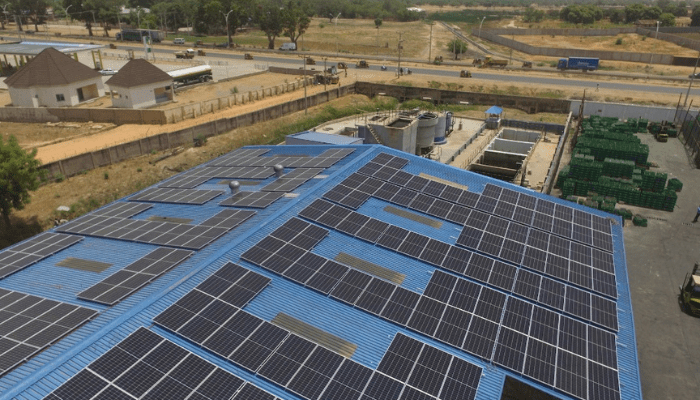
SBC Achieves Milestone in Solar Power Capacity
SBC has successfully increased its solar power capacity to 12 megawatts, positioning itself as the largest industrial solar energy user in Nigeria. This significant installation reflects a growing trend where businesses are increasingly turning to renewable energy sources to mitigate energy costs and enhance sustainability.
Nigeria’s New Net Billing Regulation Introduced
The Nigerian Electricity Regulatory Commission (NERC) has unveiled a groundbreaking framework that empowers businesses and industrial consumers to generate their own solar power while allowing them to sell any surplus back to the national grid. This initiative has the potential to revolutionize energy management within Nigeria’s commercial sector, which has long struggled with power shortages.
Regulatory Framework Aims to Support Prosumers
On Thursday, NERC officially announced the 2026 Net Billing Regulation, which represents a formal legal framework designed for prosumers—customers who both consume and produce electricity. This regulation has been in development for years, aimed at addressing the reliance of Nigerian businesses on costly diesel generators and off-grid battery systems due to the inefficiencies in the national power grid.
Eligibility and Capacity Requirements Outlined
Under the new guidelines, eligible businesses must install renewable energy systems that include solar arrays with a minimum capacity of 50 kilowatts peak, capping at 1.5 megawatts. This specification targets medium to large enterprises such as factories, logistics centers, shopping malls, and office complexes that can effectively harness and deploy significant energy generation.
Industry Experts Weigh In on Investment Incentives
Industry experts emphasize that this change creates a significant opportunity for businesses that have long self-generated electricity at high costs. With appropriate pricing structures, there could be a strong incentive for companies to invest in solar energy rather than relying on traditional backup generators, leading to long-term operational savings.
Monitoring and Technical Standards Addressed
To participate in the net billing scheme, companies must first apply for a technical feasibility assessment from their designated electricity distribution licensee, one of Nigeria’s eleven electricity distribution companies. Upon approval, participants will enter a formal billing agreement, followed by direct registration with NERC. Approved installations must also include two-way metering to effectively track power consumption and generation, ensuring the stability of the grid.
Broader Implications for Nigeria’s Energy Landscape
NERC’s regulations strive to achieve five primary objectives: accelerating the deployment of renewable energy, enhancing energy security, attracting private capital into distributed generation, lowering greenhouse gas emissions, and ensuring the integration of solar photovoltaic systems into the national distribution infrastructure. Given that Nigeria currently generates only a fraction of its required electricity—around 5,000 megawatts despite a 13,000-megawatt installed capacity—this new framework addresses a pressing need for innovative solutions.
This new framework reflects a significant shift in regulatory approach regarding distributed solar energy, transitioning from viewing it as an off-grid solution to integrating it into the national grid’s architecture. The modest 1.5 megawatt cap serves as a testing ground for NERC, allowing the agency to evaluate the system’s effectiveness before extending eligibility to a broader audience. Trade associations advocating for renewable energy development have welcomed these clearer regulations, which are expected to encourage investment in grid-tied solar power generation by commercial entities willing to commit capital.
