


California’s Population Growth Through the Decades
California witnessed a population surge during and immediately following World War II, with figures rising from 6.9 million in 1940 to 19.9 million by 1970. This growth stemmed from a significant influx of residents from other states, drawn by California’s robust postwar economy and the subsequent baby boom.
Infrastructure Development and Economic Expansion
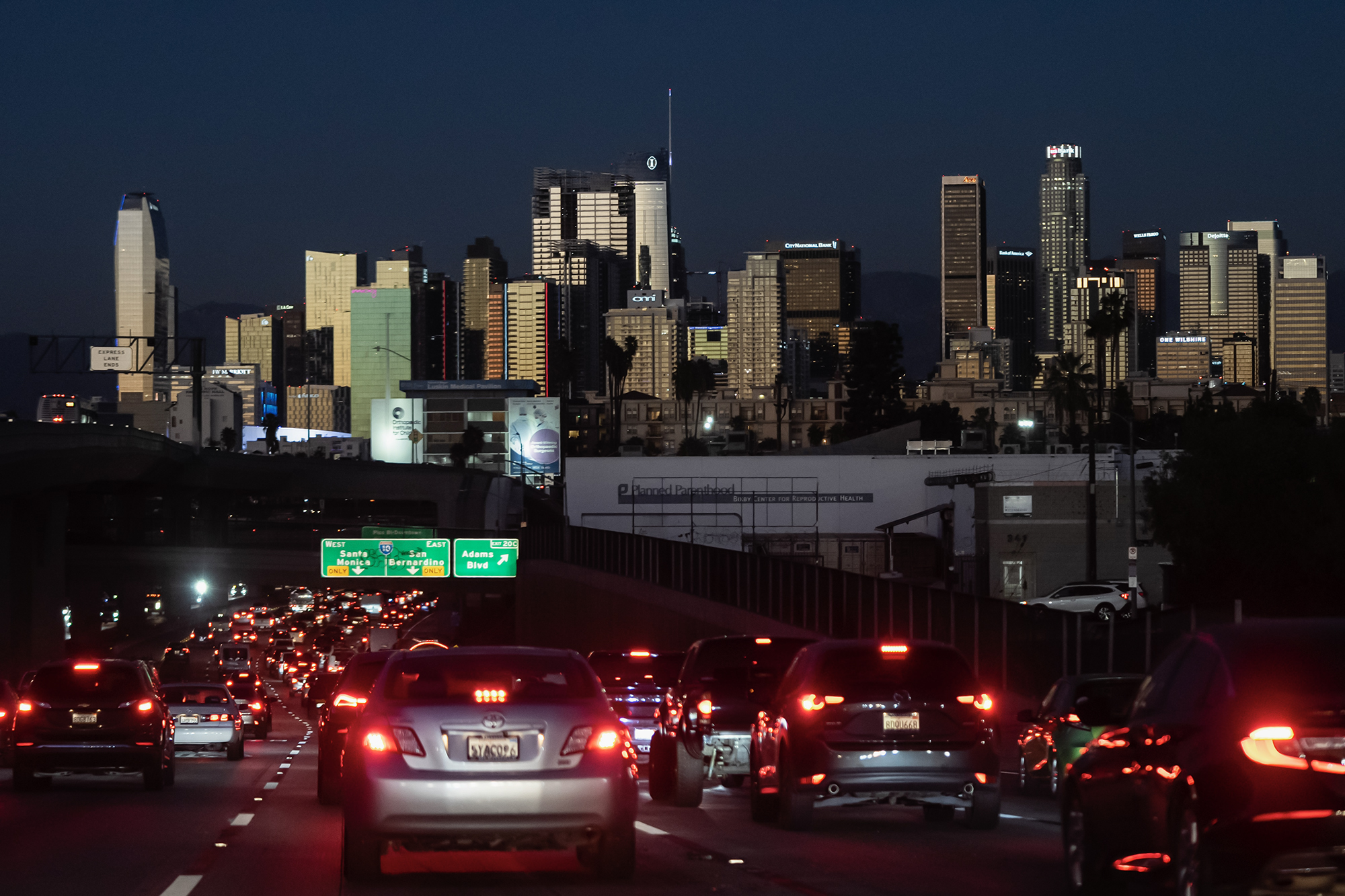
The state successfully accommodated an additional 13 million residents through substantial public infrastructure investments, including schools, universities, highways, parks, and water systems. Concurrently, California attracted vast private investments that fueled the construction of new housing, retail complexes, factories, and office spaces.
Shifts in California’s Economy and Political Landscape
By the 1970s, however, population growth began to decelerate as the baby boom subsided. The state’s job market also transformed as the economy pivoted from manufacturing to technology and services. During this decade, Governor Jerry Brown characterized the state’s new reality as an “age of limits,” suggesting that major infrastructure expansion was no longer necessary.
Immigration and a Second Baby Boom
The 1980s heralded another population increase, driven both by immigration from various countries and yet another baby boom. Over a decade, California’s population surged by 6 million, largely comprising infants, leading to a remarkable growth rate exceeding 25%.
Diminishing Returns in the 1990s
This spike in population brought its own challenges, manifested in the 1990s through legislation aimed at restricting public services for undocumented immigrants and internal controversies over environmental concerns within organizations like the Sierra Club.
Current Trends in Population Stagnation
Recently, population growth has stalled, virtually halting over the past decade. Contributing factors include declining immigration and birth rates alongside a notable outflow of residents, primarily due to California’s soaring cost of living. A study by researchers at the California Public Policy Institute revealed a significant drop in the total fertility rate from 2.21 children per woman in 2007 to just 1.48 in 2023, which is well below the 2.1 replacement level deemed necessary to maintain population stability.
Implications of Population Stagnation
The state’s population decline has already resulted in the loss of a House seat following the 2020 Census, with the possibility of further reductions after the upcoming census in 2030. While fewer residents may alleviate some pressures—such as housing demand, congestion, and the need for large-scale infrastructure projects—it also raises concerns about future economic health. Researchers warn that decreasing birth rates and a shrinking workforce could strain the economy and welfare systems, complicating support for an aging population. As California navigates these demographic shifts, the pressing question remains: will political policies adapt to reflect these new realities?
Challenges Ahead for California’s Infrastructure
California’s population today is more than double what it was in 1970, yet the political responses to demographic changes seem inadequate. Despite the easing of demands for new infrastructure, the state still grapples with maintaining and upgrading existing systems. Projects involving water infrastructure have stagnated, and new highways have not been constructed, indicating a disconnect between growing needs and political action. Governor Jerry Brown returned to office in 2011 with promises to address these critical issues by saying, “I want to get it done.” Yet, significant work still lies ahead.
