


Nigerians in South Africa Seek Voluntary Repatriation Amid Rising Xenophobic Attacks
Michael Olugbode in Abuja
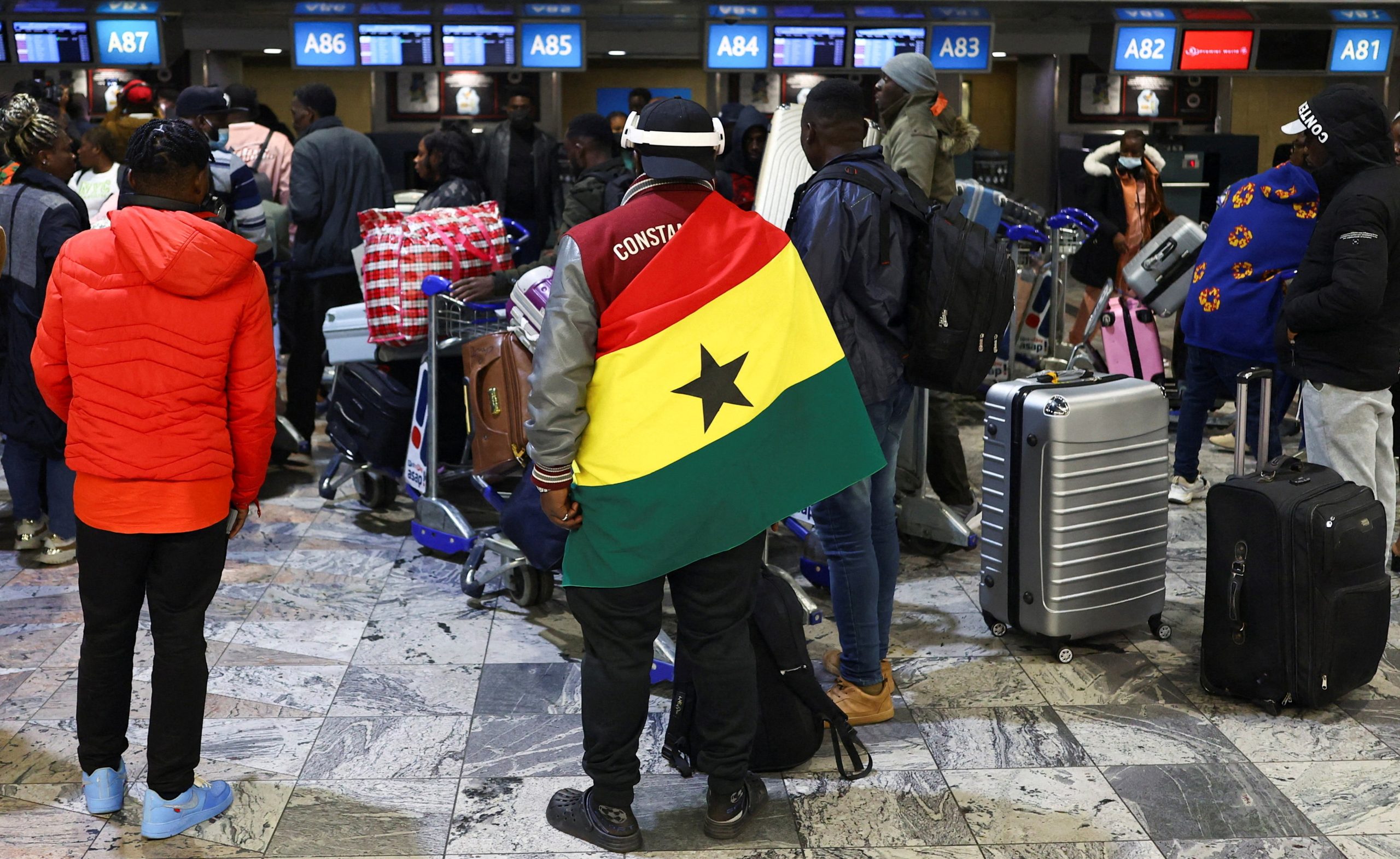
More than 1,000 Nigerians living in South Africa have applied for voluntary repatriation due to escalating xenophobic violence and an increasing tide of anti-immigrant sentiment. This uptick in applications raises serious concerns regarding the safety of foreign nationals in Africa’s most industrialized nation. According to Nigeria’s Ministry of Foreign Affairs, a total of 1,094 Nigerians have registered for the government-supported repatriation program, a sharp rise from just 130 applicants reported a month ago when the initiative was launched.
The situation comes as South Africa grapples with a resurgence of xenophobic protests and violent incidents, resulting in the deaths of several foreign nationals and displacing hundreds more. This unsettling trend revives memories of past episodes of xenophobia that have strained Pretoria’s diplomatic relations with several African countries, Nigeria included. Officials from both Nigerian and South African governments are currently undertaking a joint verification process to assess the eligibility of applicants before finalizing evacuation preparations.
Kimiebi Ebienfa, a spokesperson for the Ministry of Foreign Affairs, noted that the vetting procedure ensures that only qualified applicants benefit from the program. Furthermore, South African officials have agreed to waive certain penalties relating to immigration violations for those approved for repatriation. This spike in applicants underscores the growing apprehension within immigrant communities as hostility towards foreigners intensifies. For many Nigerians, the choice to return home symbolizes the collapse of aspirations nurtured over years of migration in search of better economic prospects.
Historically, South Africa has been a favored destination for African immigrants, drawing workers, traders, professionals, and entrepreneurs due to its relatively advanced economy. However, periodic outbreaks of xenophobic violence have persistently undermined the nation’s reputation as a regional economic leader. A recent attack in the coastal town of Mossel Bay resulted in numerous fatalities and the destruction of dozens of homes, claiming victims, including some Mozambican nationals. In the wake of this violence, hundreds of migrants from neighboring countries have fled or opted to return home.
This ongoing crisis has rekindled discussions around immigration, unemployment, and social tensions within South Africa, with foreigners often being scapegoated by the local populace for the country’s economic woes, including heightened crime and strained public services. Activists and human rights organizations argue that migrants are unfairly blamed for the deep-rooted structural issues plaguing the nation, such as its high unemployment rates and growing inequality. This atmosphere has also sparked diplomatic concerns across the continent.
South African President Cyril Ramaphosa has condemned the xenophobic attacks and reaffirmed his government’s commitment to safeguarding all residents, regardless of nationality. He has proposed sending special envoys throughout Africa and beyond to reassure partner nations and bolster diplomatic efforts surrounding migration-related tensions. Nonetheless, critics argue that his administration’s repeated condemnations have failed to effectively curb the violence that has led to numerous fatalities over the years.
The diplomatic relationship between Africa’s two largest economies, Nigeria and South Africa, is frequently tested by incidents of xenophobic violence. In 2019, widespread attacks against foreign nationals provoked retaliatory protests in Nigeria, where hundreds of Nigerians fled South Africa in response, leading to renewed calls for enhanced protections for African migrants. The current rise in repatriation requests indicates that many Nigerians no longer feel secure remaining in South Africa, despite official reassurances to the contrary.
Analysts have cautioned that the evolving situation could lead to significant economic and diplomatic ramifications if not addressed promptly. While thousands of Nigerians contribute to the South African economy through various sectors, remittances sent back home remain a crucial source of income for many families. However, for those preparing to return, the immediate concern remains their safety amidst a climate of vulnerability.
As preparations for the voluntary evacuation program are finalized, the growing number of repatriation requests serves as a poignant reminder of the enduring presence of xenophobia in South Africa, nearly 30 years after the end of apartheid. Although the departure of over 1,000 Nigerians may be framed as voluntary, for many it starkly illustrates a painful transition from a pursuit of opportunity to a struggle for survival.
