


Nigeria Celebrates 27 Years of Civilian Rule Amidst Ongoing Challenges
Nigeria marked a significant milestone on Friday, celebrating 27 years of uninterrupted civilian rule since its independence in 1960. The federal government expressed its enthusiasm, pledging to strengthen democratic governance, enhance national unity, and confront ongoing challenges facing the nation.
Presidential Reflections on Democracy
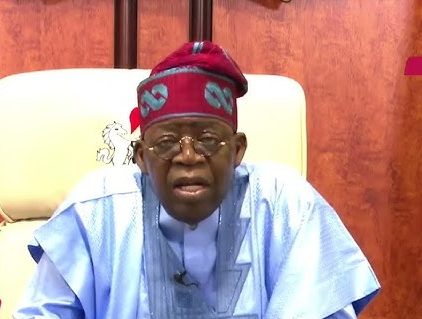
President Bola Tinubu took the opportunity to reflect on the nation’s democratic journey, highlighting that despite its flaws, Nigeria’s democracy has proven resilient. He emphasized that citizens have consistently chosen their leaders through the ballot box, settled disputes through legal channels, and facilitated peaceful transitions of power.
Call for Unity in the Face of Insecurity
In his address, the President urged Nigerians to band together against terrorism, banditry, and kidnapping, stressing that collaboration is essential in combating insecurity. He asserted that overcoming these issues would lead to a stronger and more united Nigeria.
Economic Challenges Persist
While the government celebrated its democratic achievements, widespread economic hardship continues to loom. The President acknowledged the struggle many Nigerians face and reaffirmed the administration’s commitment to controlling inflation, boosting food production, creating jobs, and improving living standards across the nation.
Public Discontent Amidst Government Elation
Despite the federal government’s optimistic outlook, dissatisfaction looms among the populace, primarily due to escalating insecurity. Recent kidnappings of teachers and schoolchildren in states such as Oyo, Borno, and Kogi have spurred public ire against the administration, especially as economic difficulties become more pronounced.
A Historical Perspective on Governance
Since retired General Abdulsalami Abubakar transferred power to President Olusegun Obasanjo on May 29, 1999, questions have lingered regarding the depth of Nigeria’s democratic experience. The nation’s history prior to this milestone was marked by military rule, civil strife, and short-lived democratic periods, which have left a complex legacy for the Fourth Republic.
Assessing the Current Democratic Landscape
Although Nigeria presents the trappings of a democracy—with separate branches of government—significant institutional challenges remain. Analysts attribute these democratic shortcomings to weak institutions and a lack of accountability, highlighting the executive’s perceived incompetence while noting that the judiciary often appears compromised.
Future Prospects for Nigerian Democracy
The voices of those advocating for a reformed judiciary insist on the need for independence from executive influence. They argue that the essence of democracy is compromised when courts prioritize political interests over legal standards. As Nigeria continues to navigate its complex political terrain, the focus should shift towards fostering a government that serves its citizens’ needs, fostering stability and genuine democratic principles.
