


Judiciary Sentences Two Women for Terrorism-Related Offenses
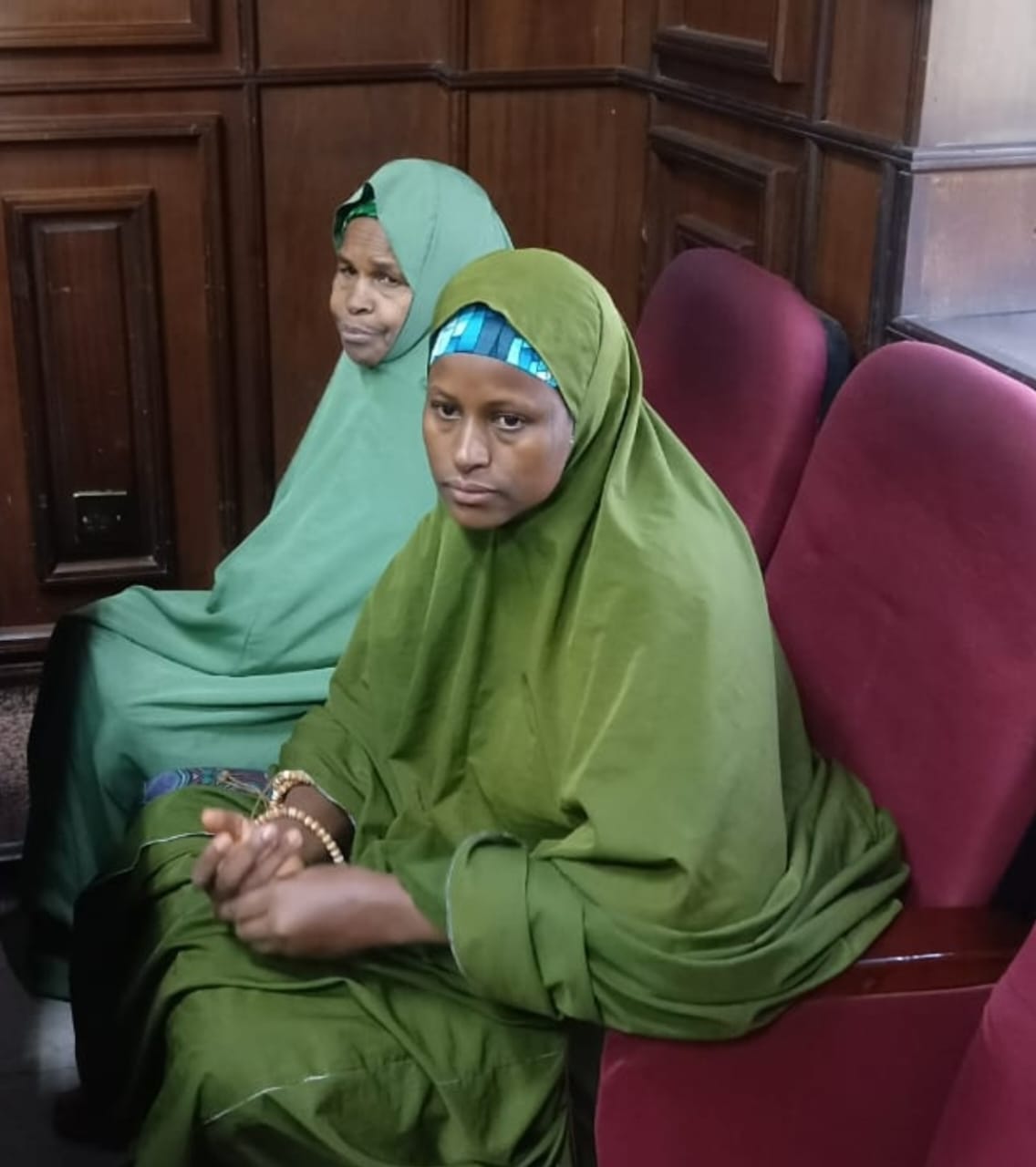
A Federal High Court in Abuja has sentenced Safiya Salihu and Halima Abdullahi, the mother and sister of notorious terrorist Kachala Ibrahim Batujo, to 40 years in prison for their roles in terrorism. The women were apprehended by the Department of State Services (DSS) and were found guilty of aiding Batujo, who was killed by Nigerian security forces on June 10, 2026, in a forest near Iluke in Kogi State.
Defendants Acknowledge Charges
Judge Hauwa Joseph Ilwa imposed the sentences after both women pleaded guilty to several charges related to their involvement in terrorism. They were specifically convicted on counts two, four, and five of five terrorism-related charges brought forth by the Federal Attorney General’s Office.
Details of Charges and Acquittals
While both women faced multiple allegations, they were acquitted of charges one and three, which pertained to receiving 490,300 naira, knowing it was the proceeds of terrorism, and attempting to travel for a pilgrimage funded by these illegal proceeds. The State Director of Public Prosecution, Oyedepo Rotimi, requested the court to dismiss these two counts but sought convictions on the remaining charges.
Nature of the Offenses
Count two focused on the women’s involvement in assisting Batujo, a well-known figure in banditry. The court found that they aided and abetted his activities, violating Article 26 of the Terrorism (Prevention and Prohibition) Act of 2022. Safiya Salihu also pleaded guilty to count five, which involved concealing information about her son’s terrorist activities. Halima Abdullahi admitted to charges two and four, which pertained to concealing information and witnessing her brother’s illegal possession of a firearm.
Sentencing Structure
Judge Ilwa sentenced each count to 20 years, but ordered that they run concurrently. Following their prison terms, both women will undergo rehabilitation as part of their sentencing. The legal proceedings highlighted critical aspects of how family members may become entangled in the activities of terrorist organizations.
Overview of Convictions
The charges against the women included facilitating Batujo’s banditry and failing to report critical information to law enforcement. For example, count two involved aiding and abetting Batujo’s activities while count four concerned Safiya’s failure to disclose vital information regarding her son’s possession of firearms. The court emphasized the importance of timely reporting and cooperation with law enforcement to help combat terrorism.
Legal Implications
The court’s ruling reflects a firm stance against terrorism and highlights the legal repercussions of complicity in such acts. As various stakeholders continue to combat terrorism in Nigeria, the case serves as a reminder of the complex dynamics between familial relationships and criminal activity. The judiciary has expressed a commitment to holding individuals accountable for their roles, thereby reinforcing the legal framework aimed at preventing acts of terrorism.
