


Judicial Ruling Restores Processing of Employment Authorizations for Noncitizens
A federal judge has ordered U.S. Citizenship and Immigration Services (USCIS) to restart processing I-765 employment authorization applications for noncitizens. This decision follows a freeze on applications from individuals hailing from 39 “high-risk” countries imposed by the federal government earlier this year.
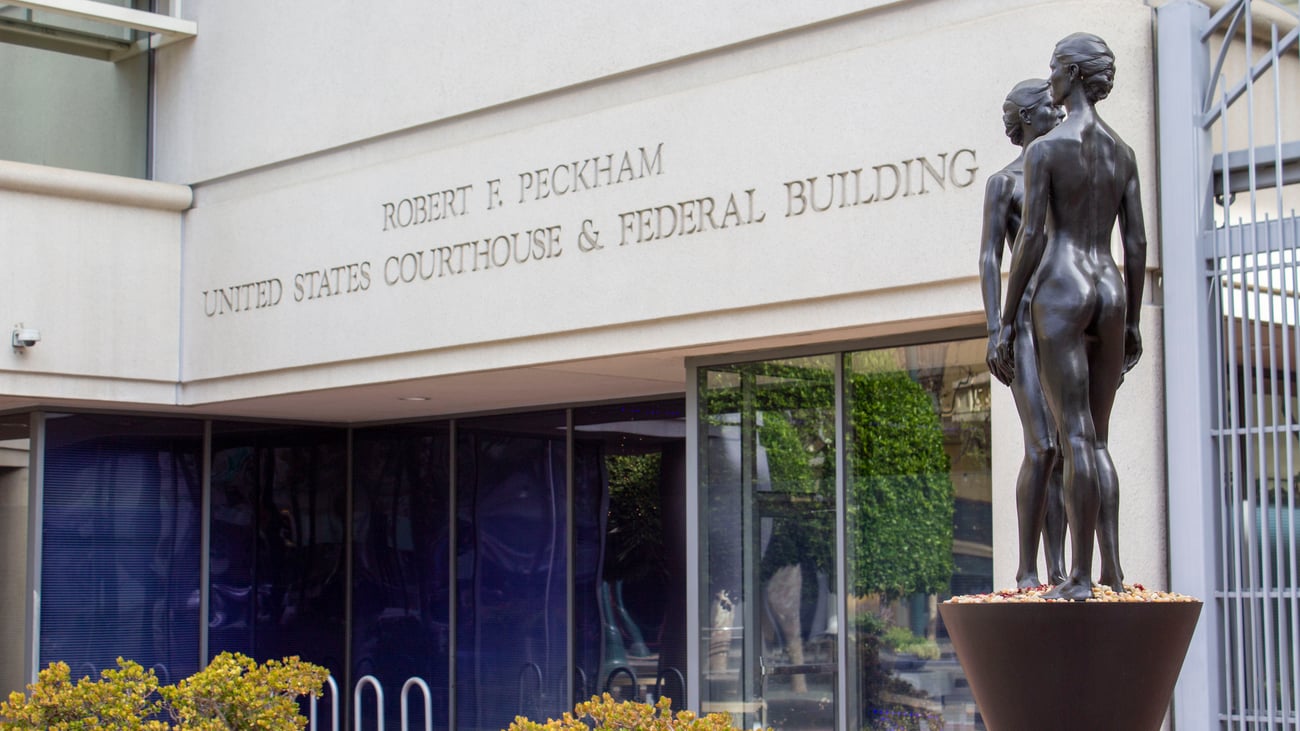
U.S. Magistrate Judge Virginia DiMarchi, based in San Jose, California, has issued a preliminary injunction in response to a lawsuit filed by 137 foreign nationals from 15 different countries, including Afghanistan, Iran, Nigeria, and Venezuela. The plaintiffs assert that the timely adjudication of their I-765 applications is crucial for their ability to work in the United States, maintain their nonimmigrant status, and sustain their livelihoods.
In her ruling, Judge DiMarchi dismissed the government’s claim that the policy memorandum freezing applications was beyond judicial scrutiny under the Immigration and Nationality Act. She stated that this memorandum does not constitute a final agency action that could be challenged under the Administrative Procedure Act, which outlines how federal agencies should navigate significant policy decisions.
This issue of jurisdiction has been thoroughly examined by various courts in similar cases across the nation, DiMarchi noted. She emphasized that USCIS is mandated to process immigration benefit applications within a reasonable timeframe and that the court indeed has the authority to review USCIS’s failure to do so. Furthermore, she concluded that the Policy Memorandum meets the criteria for review under the Administrative Procedure Act.
The employment authorizations affected by this ruling are vital for international students attending U.S. universities, as well as for asylum seekers, green card applicants, and the spouses of foreign nationals holding work visas in the U.S.
DiMarchi’s ruling comes on the heels of a decision made last month by a federal judge in Rhode Island, who invalidated four immigration policies that suspended applications for asylum, work permits, green cards, and citizenship for citizens from 39 countries in Africa, Asia, the Middle East, and Latin America. Chief U.S. District Judge John McConnell Jr. criticized USCIS for overstepping its authority and failing to act in accordance with the immigration laws enacted by Congress.
Although the Rhode Island decision effectively lifts the freeze on I-765 applications, Judge DiMarchi did not grant the government’s request to pause proceedings during its appeal of the Rhode Island ruling. Legal experts see this as a pivotal moment in immigration policy, suggesting that the tide may be turning against restrictive immigration measures enforced in recent years.
