


Concerns Arise Over Manchester United’s Stadium Financing
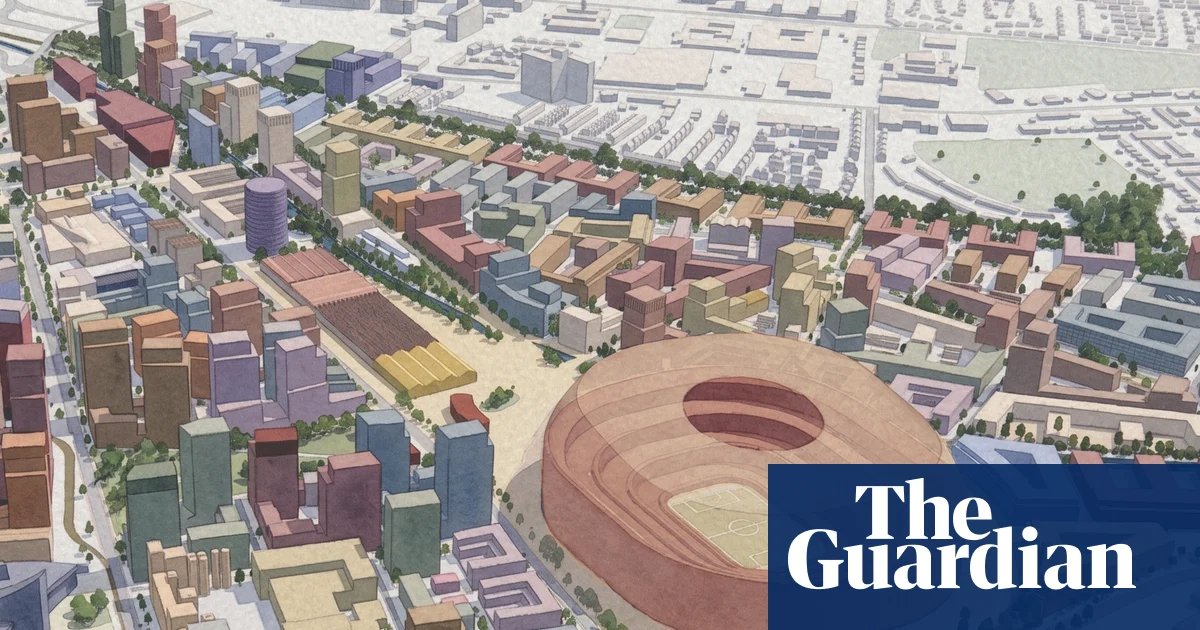
Manchester United has acknowledged that its proposed 100,000-seat stadium could lead to increased debt for the club, emphasizing, however, that the project is fundamentally a “sound initiative” rather than a “vanity project.” The unveiling of the plans for the new stadium occurred on Thursday, indicating it will be situated 350 meters northwest of the existing Old Trafford venue. The club currently faces a debt of approximately £1.3 billion, with chief executive Omar Berrada estimating that the operational costs for the new stadium could reach £2 billion by March 2025.
Exploring Financial Options for Construction
Collette Roche, chief executive overseeing the stadium project, addressed the potential financial implications, stating, “That’s the $2 billion question.” While acknowledging the costs associated with constructing a stadium of this magnitude, she pointed out that the unique scale and design of the proposed venue will require careful financial planning. Roche indicated that a variety of financing options—ranging from debt and equity to contributions from other investors—remain on the table as interest in the project grows.
Prioritizing Financial Discipline Amid Transformation
Roche also stressed the importance of financial prudence, stating that the club’s current operations demonstrate a commitment to cost control and efficiency. Since Sir Jim Ratcliffe’s acquisition of Manchester United two years ago, the club has implemented measures that include approximately 450 job cuts aimed at streamlining operations. She echoed the need for discipline by referencing the successful completion of the Carrington training ground project, which came in on time and within budget despite initial skepticism about its feasibility.
Revenue Generation Strategies for Sustainability
In light of financing challenges, Roche highlighted that some funding could be sourced from brand rights. While the specific identity of the stadium remains undecided, she mentioned that selling naming rights is a possibility. Roche affirmed that maintaining affordable ticket prices for fans is of utmost importance and that diversifying revenue streams will be essential to support the new venue while keeping accessibility in focus.
Addressing Fan Concerns and The Debt Discussion
Supporters have expressed apprehension regarding the prospect of accruing additional debt, but Roche assured them that the intention is not to burden the club further. “A larger stadium is essential for accommodating the fan base that desires to attend matches,” she explained. She emphasized that the financing strategy aims to ensure the endeavor does not compromise the club’s financial health while highlighting the necessity of sound investment to foster future growth.
Evolution of the Stadium Design Amidst Criticism
The initial design of the new stadium has faced criticism, with some observers likening it to a circus tent. Roche reassured stakeholders that the design is not finalized and will undergo further refinement to ensure it aligns with the community and the club’s vision. “We’re not committed to the current design,” she stated, emphasizing a collaborative process that will involve input on aesthetics and functionality as plans progress.
Next Steps in the Development Plan
The announcement of the stadium plans coincides with the draft Wharf Strategic Master Plan, which encompasses broader area development initiatives. The Trafford City Council Executive Committee is set to decide on the approval of this master plan on July 20. If approved, an eight-week public consultation period will commence on July 28. Roche reaffirmed the club’s aim to have the new stadium operational by 2035, marking a significant milestone in Manchester United’s aspirations for future growth and community engagement.
