


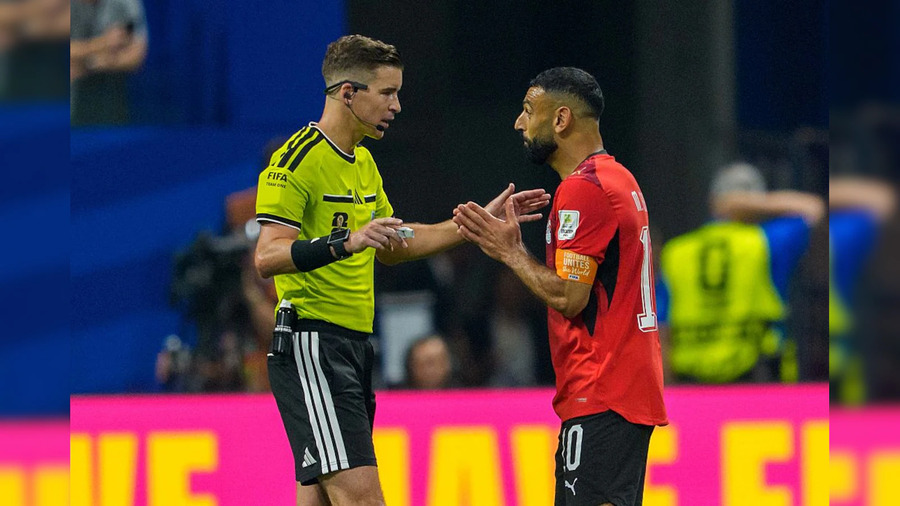
FIFA Referees Chief Addresses Bias Allegations
Pierluigi Colina, FIFA’s head of referees, has firmly refuted allegations of bias concerning the officiating in the recent World Cup match between Argentina and Egypt. Following Argentina’s dramatic 3-2 victory in the round of 16, Colina emphasized that there was no external influence affecting the referees’ decisions.
Referee François Letexier Under Fire
Colina came to the defense of the officiating team, which included French referee François Letexier. The match faced considerable scrutiny, particularly after a series of contentious calls sparked criticism following Argentina’s come-from-behind win in Atlanta.
Egyptian Coach Voices Concerns
The controversy escalated when Egyptian head coach Hossam Hassan alleged that the match officials had experienced “external pressure” to favor Argentina, the defending champions. His comments followed numerous questionable decisions, including a VAR review that disallowed a goal by Mostafa Zico due to an early foul, a call that shifted the momentum of the game.
Colina Rejects Conspiracy Theory
Colina was quick to dismiss any notions of foul play or conspiracies aimed at maintaining Argentina’s presence in the tournament. He asserted that while constructive discussions about officiating decisions are integral to football, “baseless claims have no place in our sport.” He stressed the integrity of FIFA World Cup match officials and warned that such accusations could lead to threats against them and their families.
Egypt Claims Unjust Treatment
Following the match, Hossam Hassan expressed his frustration, stating that Egypt had been “unjustly deceived and wronged” in their pursuit of a quarter-final spot. He insinuated that FIFA appeared to favor keeping star player Lionel Messi in the competition, suggesting, “In football, sometimes there are external factors that go beyond the technical aspects.”
Clarifications on VAR Protocols
In response to the decision that led to Zico’s goal being overturned, Colina reiterated that the VAR protocols were enacted correctly. He clarified, “If a foul is identified during the build-up and is deemed to have affected the goal, VAR will recommend an on-field review.” He further elaborated that there are no strict limits on the distance or timing of a foul in relation to the goal, reiterating that a foul is a foul—regardless of whether it is deemed ‘obvious.’
Increased Scrutiny on Officiating Ahead of 2026 World Cup
Colina’s statements come at a time of growing scrutiny regarding officiating decisions at the upcoming 2026 FIFA World Cup. The backlash from Egyptian supporters and football officials following the recent match highlights the pressing need for clarity and integrity in football officiating.
