


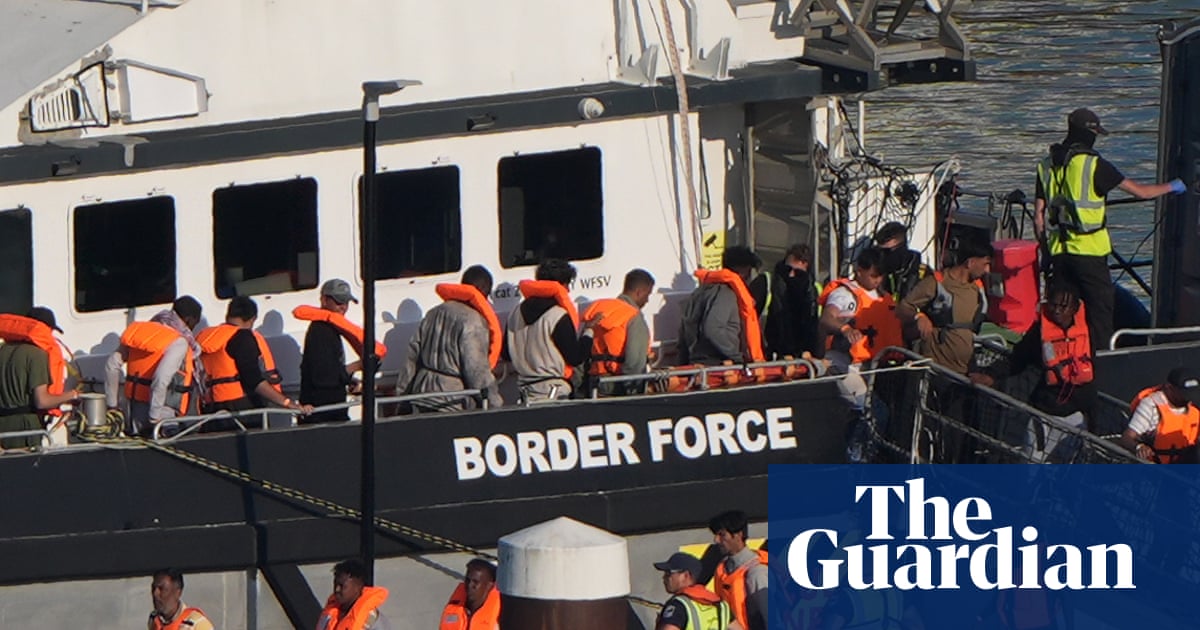
High Court Rules Against UK Home Secretary’s Changes to Trafficking Protections
The High Court has ruled that the UK Home Secretary’s move to reduce protections for potential human trafficking victims in order to advance a ‘one-in-one-out’ asylum return agreement is unlawful. This decision came after a legal challenge mounted by five asylum seekers—a group consisting of four individuals from Eritrea and one from Sudan—who were attempting to return to France from the UK via small boat.
Legal Challenge and Judgment Details
The case challenged amendments to the guidance governing the one-in-one-out asylum return policy, which stipulated that individuals denied trafficking protection no longer possess the right to seek a review. In a comprehensive judgment delivered on Friday, Mr. Justice Sheldon determined that the actions taken by Home Secretary Shabana Mahmoud concerning this policy were indeed unlawful.
Impact of the Ruling on Asylum Seekers
While the court upheld certain individual decisions made by the Home Secretary regarding the five asylum seekers, it noted that the revision of the Trafficking Guidelines negatively impacted two of their cases substantively, though not the other two. All claimants have since been permitted to advance their legal actions.
Significance for Asylum Policy
This ruling is poised to significantly affect asylum seekers arriving in small boats, as many may be victims of human trafficking, particularly those who have traveled through Libya before coming to the UK. Under the existing one-in-one-out policy, any individual arriving by small boat from France would be sent back in exchange for another asylum seeker in France who had not attempted the crossing.
Concerns Over Trafficking Protections in France
Mahmoud’s adjustments to the Human Trafficking Review Guidance aimed to streamline the repatriation process for certain asylum seekers who had crossed the Channel. Since the policy was implemented last August, over 1,000 individuals have reportedly been deported to France. However, this has raised serious concerns as numerous migrants have gone missing after their deportation, while many more remain in British detention centers awaiting similar fates.
Legal Protections and Government Awareness
Officials had argued that the cases of these asylum seekers could be effectively managed in France, given its status as a signatory to international conventions that protect victims of human trafficking. However, the court heard compelling arguments that individuals not trafficked within French borders do not receive the same level of protection, undermining the government’s assurances. Importantly, the UK provides comprehensive protections to all trafficking victims.
Calls for Changes Following the Ruling
During proceedings, evidence emerged that UK authorities were aware of challenges in accommodating returned asylum seekers in France due to housing shortages. Prior to an agreement between UK Prime Minister Keir Starmer and French President Emmanuel Macron on July 10, 2025, officials were informed that returning individuals may not be subjected to the same protections offered in France. Justice Sheldon emphasized that the changes enacted by the Home Secretary unjustly curtailed asylum seekers’ rights to have negative trafficking decisions revisited, declaring the existing decision-making process inadequate.
Reactions from Legal Representatives and Activists
Three of the five individuals challenging the policy have already been transferred to France by the Interior Ministry. Their lawyers are now advocating for their return to the UK. Elizabeth Cole, a lawyer representing two of the asylum seekers, praised the court’s ruling, noting the drastic consequences that have arisen from the Home Secretary’s unlawful policy amendments. She urged the government to fulfill its obligations under both domestic and international laws. Additionally, one asylum seeker expressed despair over not having their case properly reviewed, indicating a profound sense of hopelessness about the situation.
Emma Zinn, director of the charity Medical Justice, criticized the situation, stating that the government’s indifference toward trafficking survivors is evident. She highlighted how medical evidence from clients is routinely disregarded, turning their trauma into an obstacle for deportation.
