


Concerns Surrounding the U.S. World Cup Hosting
As the United States prepared to host the World Cup, there were numerous reasons to anticipate potential challenges. In the year and a half leading up to the event, then-President Donald Trump had made contentious remarks, including threats to annex Canada and invading Mexico, both of which were co-hosts for the tournament. Adding to the tension, fans from several countries, such as Senegal, Ivory Coast, and Haiti, faced strict visa restrictions that thwarted their attendance. Ticket prices soared, hotels didn’t meet capacity expectations, and FIFA implemented “hydration breaks” in matches while introducing television commercials that detracted from the game’s flow.
Soccer Ignites Enthusiasm Across America
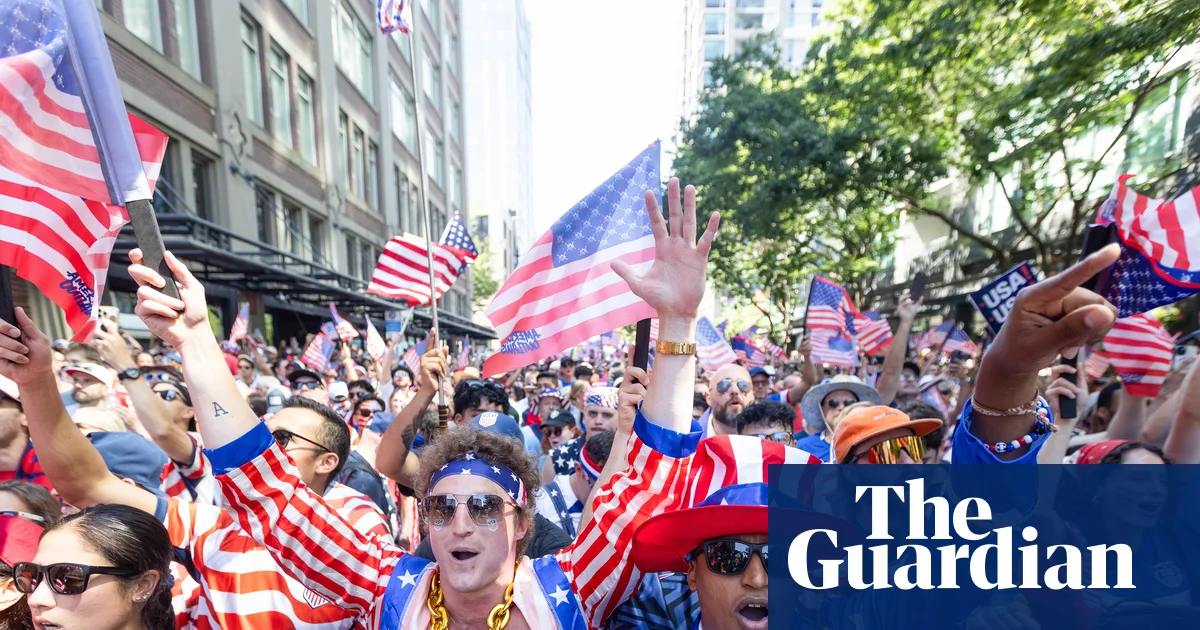
Amid these concerns, the sport took center stage. Television screens and social media platforms around the globe showcased American stadiums filled with enthusiastic crowds. During the first 78 matches, average attendance reached 64,511, an increase of 10,000 compared to the previous tournament, according to Sports Business Journal. With an impressive occupancy rate of 99.7%, FIFA reported that 6.5 million tickets were sold, capturing the interest not just of expatriates but also of an emerging American fan base that is deeply passionate about soccer.
Record-Breaking Viewership Highlights Interest
American television ratings surged as well. The U.S. Men’s National Team’s (USMNT) Round of 16 match against Belgium attracted an average of 33 million viewers on Fox, with viewership peaking at 41 million during the game’s final minutes, according to Nielsen ratings. This audience surpassed that of the 2025 World Series and Game 5 of the recent NBA Finals combined, as highlighted by the Wall Street Journal. In fact, this game marked the highest viewership for a soccer broadcast on a network in U.S. history, breaking another record just days before when 26 million tuned in for the USMNT’s victory over Bosnia.
Broadening Appeal Beyond U.S. Matches
American viewers showcased their enthusiasm not only for domestic teams but also for international clashes. The England vs. Mexico match drew an impressive 21.7 million viewers on FOX and an additional 23.2 million on Telemundo. For the first 72 matches, Fox averaged 5 million viewers, supported by Telemundo’s average of 4.6 million. Mike Mulvhill, President of Insights and Analytics at Fox Sports, emphasized that the average viewer had already watched more games than during the entirety of the 2022 tournament.
The Cultural Shift Towards Soccer in America
The uptick in World Cup fandom can be attributed to the longstanding growth of soccer’s popularity in the U.S. Since hosting the World Cup in 1994, which helped launch Major League Soccer, American engagement with the sport has flourished. Key milestones, such as the U.S. Women’s National Team’s triumphs in the World Cup and broadcast deals securing rights to major leagues, have solidified soccer’s place in American culture. According to a January report from The Economist, one in ten Americans now cites soccer as their favorite sport, making it the third most popular in the country, even surpassing baseball.
Prime Time Broadcasts Enhance Accessibility
The scheduling of many games in prime time also contributed to the World Cup’s success. With matches broadcast during hours favorable to American viewers, scheduling no longer posed a barrier to enjoying the competition. Coupled with riveting gameplay, which boasted an average of three goals per game—the most since the 1958 World Cup—interest flourished, particularly among audiences who had often criticized the sport for its low scoring. Star players like Kylian Mbappé and Lionel Messi captured the spotlight, delivering exhilarating performances that captivated fans nationwide.
A Festival of Multiculturalism and Community Spirit
The World Cup also offered a platform for multicultural celebration amidst rising nationalism. Spectators from diverse backgrounds found common ground in their love for the sport, with local communities coming together in joyous unity. From residents in Lawrence, Kansas, cheering for the Algerian team to New Yorkers embracing rugby’s international flair, fans engaged in collective experiences that transcended cultural boundaries. The electric atmosphere in cities across the U.S. showcased this shared enthusiasm as people gathered at bars, restaurants, and public viewings to support their teams.
Emotional Connections Extend Beyond the Field
The most memorable moments of the tournament occurred off the pitch, as fans demonstrated the deep connections forged through shared sporting experiences. In locations ranging from Los Angeles to Queens, celebrations erupted as people rallied around their teams and each other. Such scenes reflected a sobering contrast to the divisive political climate, offering a reminder of American resilience and unity. As one fan poignantly noted, the World Cup became a respite and a “unifying force,” drawing individuals together from all walks of life, reinforcing soccer’s growing status in the cultural landscape of the United States.
