


Africa Strengthens Representation on the AI for Good Global Commission
Africa has secured eight seats on the newly formed AI for Good Global Commission, signifying a significant boost in the continent’s representation within this global initiative aimed at shaping the governance of artificial intelligence.
Founded by the International Telecommunications Union, the commission convened for its inaugural meeting in Geneva on July 8, coinciding with the AI for Good Global Summit. Comprising 44 initial members from government, international organizations, and the private sector, the commission is designed to advocate for the responsible development and implementation of AI, ensuring that developing nations have a voice in the technology’s future.
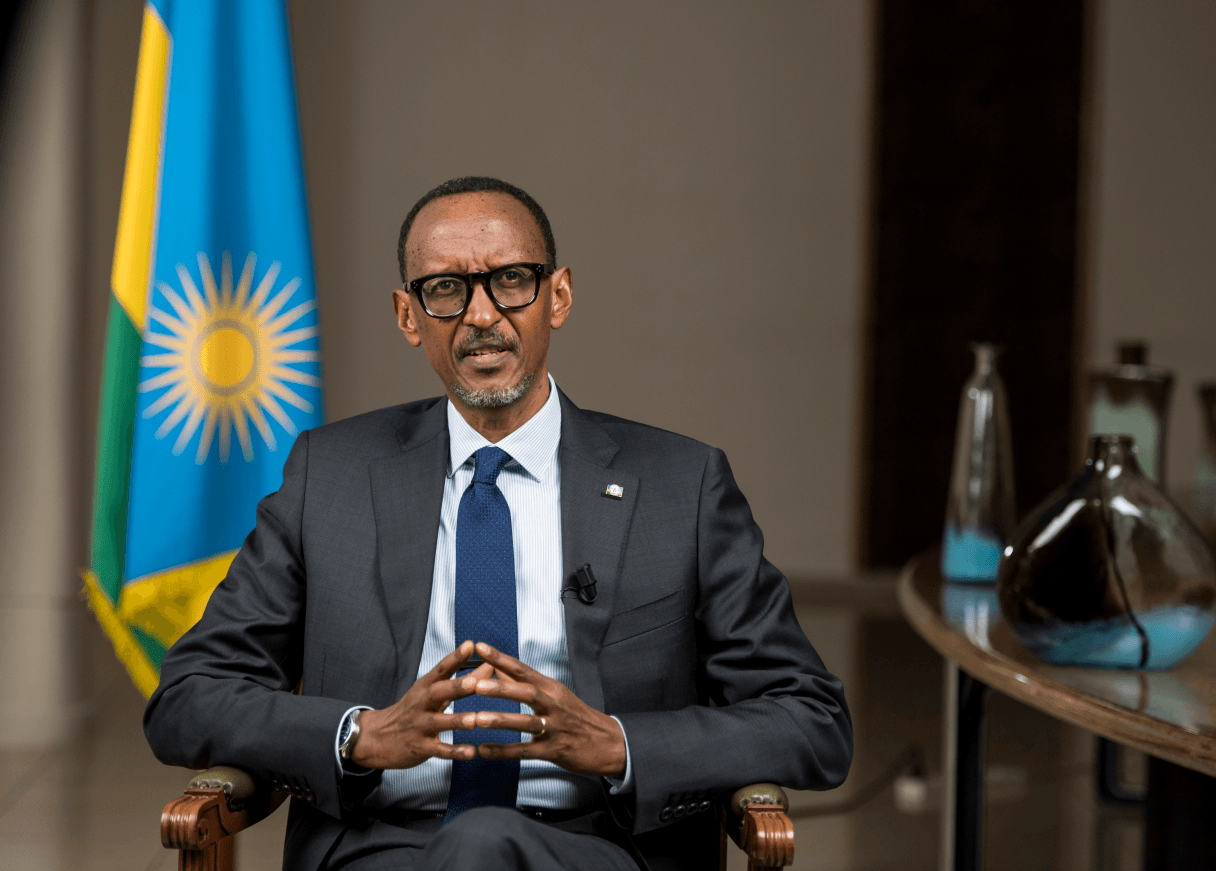
Rwandan President Paul Kagame has been appointed co-chair alongside Salesforce CEO Marc Benioff, positioning an African leader among the organization’s top ranks. This appointment underscores Rwanda’s rising influence in global AI policy, particularly following its hosting of the inaugural Global AI Summit on Africa in 2025 and the establishment of a National AI Office.
As Kagame noted, “Technology is supposed to be a force for good, and we have a responsibility to use it appropriately.” His leadership in this commission highlights the importance of ethical technology use at an international level.
African representatives on the commission include Bosun Tijani, Nigeria’s Minister of Communications, Innovation and Digital Economy; Emma Theofels, Namibia’s Minister of Information and Communication Technology; and Sina Lawson, Togo’s Minister of Public Sector Efficiency and Digital Transformation. Tijani has been a pivotal figure in Nigeria’s drive to enhance digital infrastructure and cultivate a tech-savvy workforce, while Theofels, one of the youngest ministers globally, champions youth engagement in digital policymaking. Lawson has been instrumental in Togo’s digital modernization efforts for over a decade.
The African Union’s representation is led by Lerato Dorothy Mataboge, the Commissioner for Infrastructure and Energy, who oversees the continent’s ICT and digital development strategies, including the rollout of the African Union’s Continental AI Strategy. Additionally, Ralph Mupita, president and CEO of MTN Group, will represent the African private sector, bringing valuable insights from the largest mobile network operator on the continent—particularly as telecommunications plays a crucial role in expanding access to AI technologies.
Also included in the commission are influential Africans leading major international institutions, such as World Trade Organization Director-General Ngozi Okonjo-Iweala and Khalid El-Enany, Director-General of UNESCO in Egypt. Their involvement brings an African perspective to key global discussions regarding trade, education, and AI governance.
This diverse representation illustrates Africa’s burgeoning influence in the global AI dialogue. Rather than concentrating solely on its largest economy, the commission unites leaders from various sectors—including government, regional entities, telecommunications, and international organizations—whose collective expertise enhances discussions surrounding digital transformation and technology policy.
Notably, although Kenya has been active in AI diplomacy over the past year, it lacks direct representation on the commission. Meanwhile, South Africa’s involvement is routed through the African Union and MTN, rather than through direct government engagement.
The AI for Good Global Commission is intended to offer strategic guidance for enhancing access to artificial intelligence, fostering trust in AI systems, and ensuring that developing nations are actively included in global governance discussions. While its recommendations will not be legally binding, the commission’s membership will empower Africa with a more robust voice in the important conversations that will shape the future of AI development, regulation, and adoption worldwide.
