


Increased Demand on Georgia’s Child Welfare System
Georgia’s child welfare system is experiencing heightened demand as the number of deported immigrant children requiring services continues to grow. This challenge intensifies the existing pressures on an already strained system.
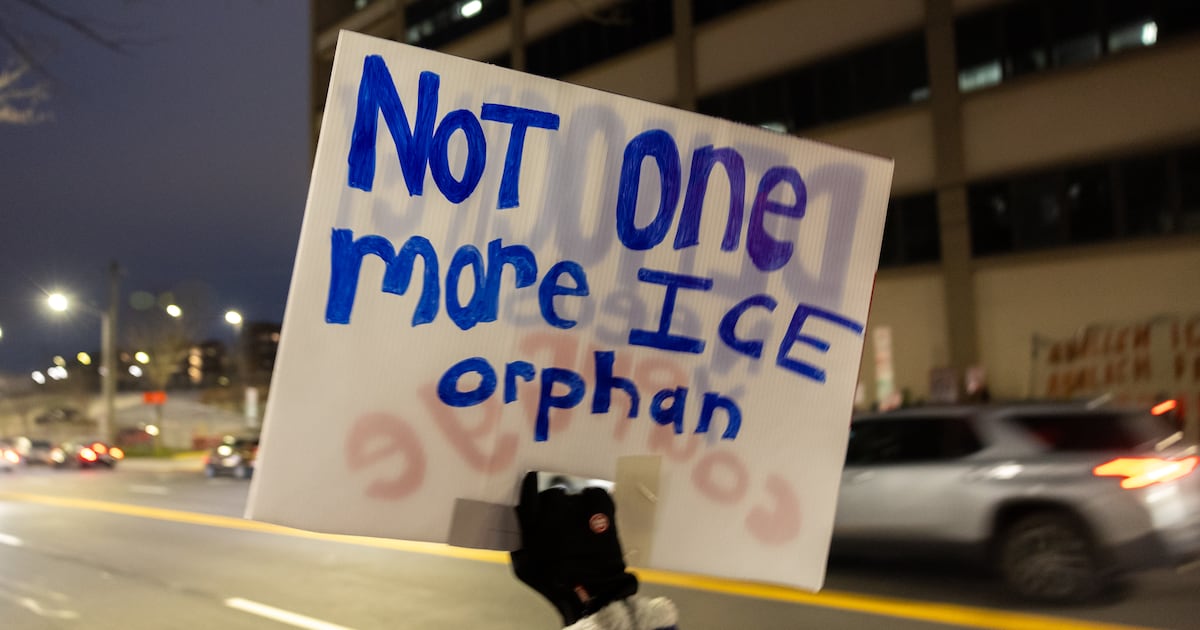
Protesters gathered in front of the Atlanta ICE field office, with at least 200 people voicing their concerns on January 23, 2026. (Irvin Temker/AJC)
Recent data from the Georgia Department of Human Services (DHS) indicates that more children are entering state custody due to the detention or deportation of one or both parents by immigration authorities. While the number of impacted immigrant children is relatively small compared to the total 12,700 in foster care and group homes, this influx is placing additional strain on DHS’s Family and Child Services Division.
Last fall, the division faced an $86 million budget shortfall, prompting the suspension or elimination of funding for numerous foster care contracts. The burden is becoming increasingly apparent, affecting the capacity to provide adequate services to all children in need.
According to DHS data analyzed by the Atlanta Journal-Constitution, there were 83 immigrant children in Georgia custody from October 1, 2025, to March 31, 2026. This figure marks an increase from 46 children during the same period the previous year, representing a staggering 80% rise. Such growth demands urgent attention and resources devoted to child welfare.
The pressures on the system are exacerbated as historical neglect in funding and resources becomes increasingly evident. Advocacy groups are arguing for a reevaluation of how state agencies allocate funds, particularly as family separation and immigration enforcement practices continue to put vulnerable children in precarious situations.
As the public debates the complex intersection of immigration policies and child welfare, stories from those directly impacted are emerging. Many advocate for compassionate solutions, emphasizing the need for support systems that can help stabilize families amidst ongoing deportation discussions.
