


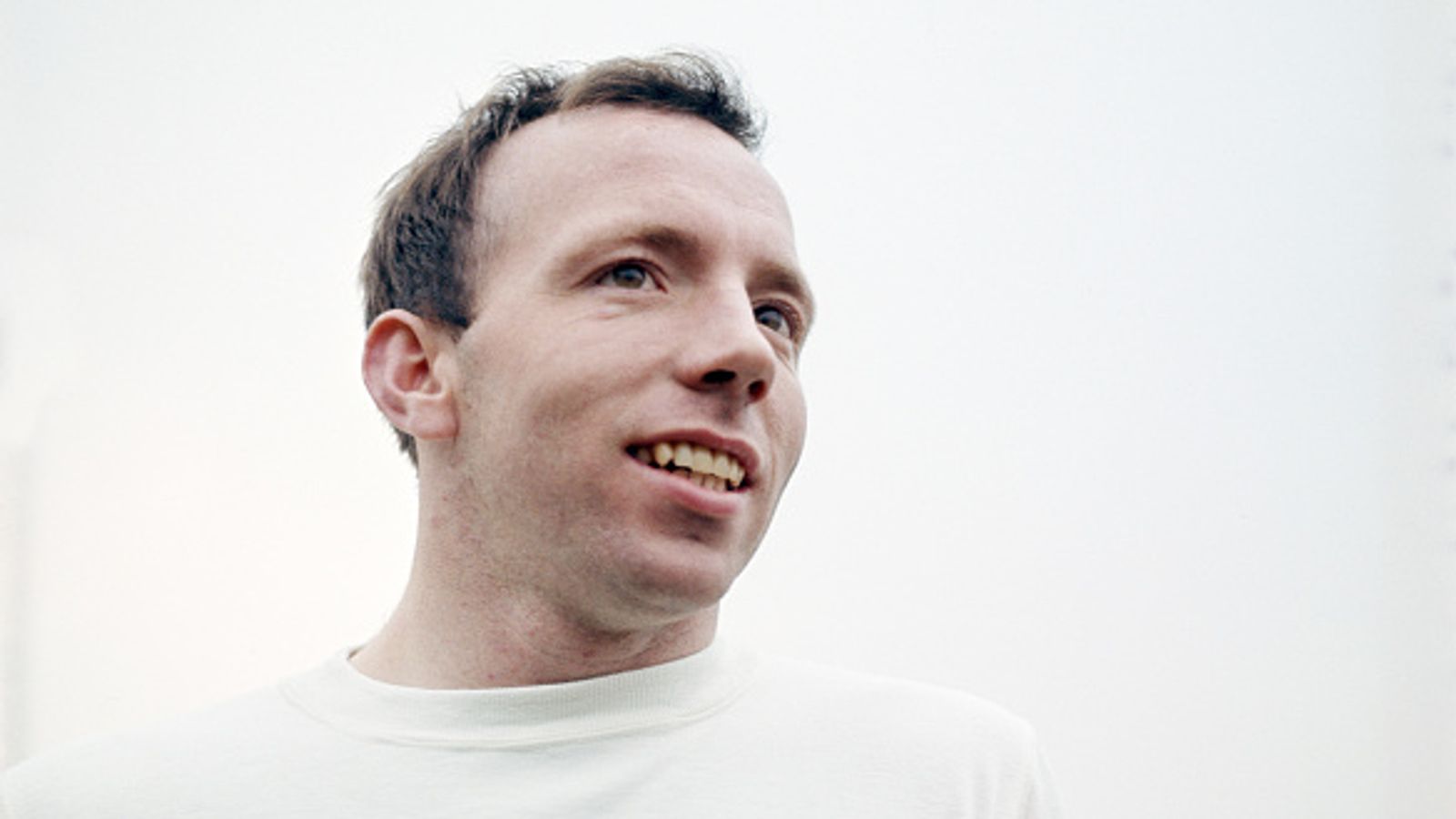
Nobby Stiles’ Death Linked to Brain Injury from Soccer Headers
Nobby Stiles, a member of England’s victorious 1966 World Cup team, succumbed to brain disease as a result of extensive heading practice in soccer, according to a coroner’s ruling. The former Manchester United midfielder passed away at age 78 in late October 2020, having battled severe dementia for several years.
Inquest Reveals CTE Contribution to Dementia
During an inquest at Stockport Coroner’s Court, it was revealed that Stiles headed the ball approximately 140,000 times throughout his career. Experts who examined his brain tissue concluded that the severe dementia he experienced was not solely attributable to Alzheimer’s disease; it also stemmed from chronic traumatic encephalopathy (CTE)—a condition often linked to repeated head trauma.
Expert Testimonies Highlight Risks of Heading
Neuropathologist Dr. Daniel du Plessis testified that he believed Stiles’ extensive heading contributed to the development of CTE. When asked directly by coroner Alison Much whether excessive heading was a cause, Dr. du Plessis affirmed this connection. His findings underscore the growing concerns regarding the long-term consequences of heading in football.
A Storied Career Remembers Its Roots
Norbert ‘Nobby’ Stiles, born in 1942 in Manchester, carved out a formidable career as a tenacious defensive midfielder. Over his nearly 400 appearances for Manchester United, he earned 28 caps for the England national team. Stiles spent his later years in a care facility, where he was eventually lost to the ravages of dementia.
Family Advocates for Greater Support in Football
Following Stiles’ death, his family raised questions about the role of CTE in his condition, prompting Dr. du Plessis to analyze brain samples. Stiles’ son, John, is now actively advocating for football authorities to take responsibility for the health of former players. Their campaign seeks to highlight the injuries sustained during careers that often go unaddressed.
Concerns About the Safety of Former Players
The Stiles family is among several advocating for accountability in football, joining others who are suing organizations including the Football Association. Allegations of negligence claim that governing bodies were aware of the potential risks associated with repeated headings, a fact documented for decades. In comparison, the FA contends that the scientific evidence linking heading to long-term brain damage remains inconclusive.
Growing Evidence and Calls for Action
Recent findings from inquests into other former players, including Gordon McQueen, suggest a troubling trend, with indications that heading may have significantly impacted their neurological health. Additionally, the FA co-financed a groundbreaking study which indicated that footballers are 3.5 times more likely to die from neurodegenerative diseases than the general population. In response to these findings, the FA plans to restrict heading in youth football for players under the age of 11 by 2026, illustrating a commitment to protect the next generation of athletes.
