


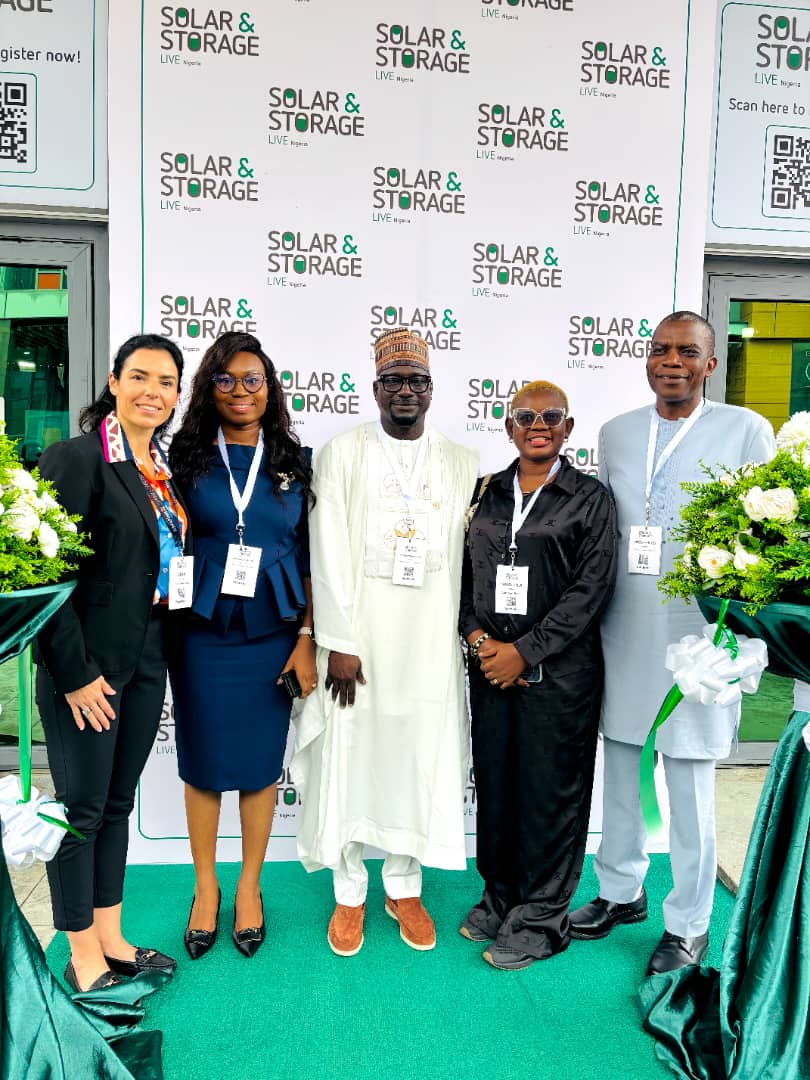
Transformation in Nigeria’s Renewable Energy Landscape
Industry leaders at Solar & Storage Live Nigeria 2026 emphasized that decreasing equipment costs, advancements in battery storage technology, and more intelligent energy infrastructure are driving Nigeria’s renewable energy sector into a new developmental phase. The momentum suggests a shift in how renewable energy is perceived and adopted in the market.
Changing Perceptions of Renewable Energy Costs
Ayo Adimurua, Chairman of the Renewable Energy Association of Nigeria (REAN), shared insights during an interview with THISDAY, noting that the commonly held belief that renewable energy is prohibitively expensive no longer holds true. “The cost of components has fallen by over 100 percent in the past decade and a half, with some items dropping by as much as 200 to 300 percent,” he explained.
Economic Viability of Solar Power
Adimurua highlighted that the declining costs of renewable energy technologies are fundamentally altering the economics of power generation. This trend is making solar energy increasingly competitive with traditional fuels. “Each naira spent on diesel or petrol is lost at the moment of combustion. In contrast, an investment in solar panels or batteries continues to yield returns over their operational lives,” he pointed out.
Diverse Renewable Energy Resources Awaiting Exploitation
Beyond solar energy, Adimurua noted Nigeria’s substantial renewable energy potential extends to hydropower, wind, biomass, and geothermal resources, which remain largely untapped. “We possess all the necessary resources; what we lacked was the confidence to accurately assess and price the risks involved,” he stated.
Growing Confidence in the Renewable Energy Sector
The increasing attendance of manufacturers, developers, financiers, and policymakers at this year’s conference reflects an escalating confidence in the sector. Adimurua observed that this year’s event underscored the vast opportunities proliferating along the renewable energy value chain.
Battery Storage Integral to Future Investments
During a panel discussion, Abba Aliyu, Managing Director and CEO of the Rural Electrification Authority (REA), emphasized the critical role of battery storage in the forthcoming wave of investments in Nigeria’s power sector. “The upcoming wave of capital will not endure for generations; it will be harnessed and stored for future use,” he noted.
Innovative Projects to Enhance Power Reliability
Aliyu revealed that REA is currently developing 48 interconnected mini-grids with a combined capacity of approximately 288 megawatts. This initiative aims to connect isolated power systems and enhance reliability. Furthermore, all new mini-grid projects under the REA’s umbrella will include Internet of Things (IoT)-enabled smart meters featuring two-way communication, facilitating improved load management, billing processes, and predictive maintenance.
AI Deployment for Strategic Planning in Electrification
The agency is also implementing artificial intelligence to map over 750,000 communities across Nigeria, utilizing demographic and economic data to inform project development and investment strategies. “We understand the geographical distribution of the population, their affordability, and which clusters present profitable opportunities,” Aliyu explained.
Potential Impact of the Electricity Act 2023
Aliyu further commented on the Electricity Act 2023, which opens new avenues for private sector investment by empowering state governments to regulate electricity. However, he noted that the degree of implementation can vary significantly from one state to another. “There is no doubt this reform is significant. The states now hold the power; the key question is whether they have the resolve to utilize it effectively,” he concluded.
