


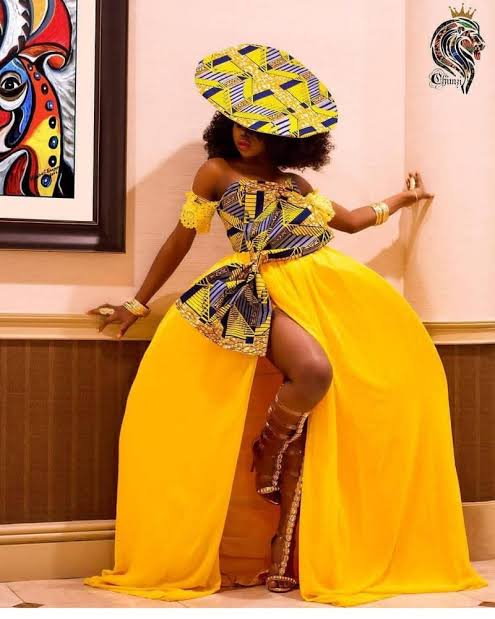
Fascinators: A Staple of Nigerian Fashion
The Nigerian fashion landscape has long celebrated the head as a canvas for creativity and cultural expression. At the forefront of this tradition is the exquisite jere, or artistic head tie, cherished at weddings and cultural events. However, sharing the spotlight with this indigenous icon is the fascinator—an enduring headpiece that captivates the attention of stylish Nigerians.
Far from being merely a fleeting Western trend, the fascinator is embedded in the social fabric of Nigeria. From opulent church weddings in Lekki to vibrant Sunday services, royal funerals, and elite racing events, these architectural headpieces have become synonymous with grace and sophistication.
The Allure of the Fascinator
This intricate accessory has stood the test of time, with its appeal only growing amidst evolving fashion trends. While traditional gel hairstyles boast cultural significance, they often demand significant time, skill, and sometimes discomfort. This is where the fascinator shines.
As social events (often referred to as owambe) transformed in Nigeria, modern women began gravitating towards headwear that offers visual impact without physical strain. The fascinator emerged as the ideal solution: lightweight, easy to style, and a perfect match for intricate hairstyles. This practicality allows Nigerian women to transition seamlessly from solemn church services to lively wedding receptions, all while looking effortlessly chic.
Modern Asoebi: A Canvas for Creativity
Nigerian fashion is renowned for its ability to blend global influences with local aesthetics. The emergence of contemporary Asoebi styles, which often showcase coordinated fabrics among families and groups, presents a vibrant platform for creativity. Designers are pushing boundaries by combining various materials, crafting fascinators from indigenous fabrics like Aso oke, raw silk, and lace. This innovative fusion creates a stunning intersection of Western elegance and African tradition, allowing milliners to endlessly reinvent headpieces to complement unique fabric patterns and color schemes.
The Influence of ‘Sunday Best’ and Royal Heritage
In Nigeria, dressing for Sunday worship is more than a fashion statement; it is entrenched in cultural tradition. A “Sunday Best” wardrobe exudes a level of poise that many strive to achieve. This aesthetic, imbued with elements inspired by the British Royal Family, is amplified by Nigeria’s bold stylistic flair.
The fascination with royal weddings and globally prominent fashion events has further solidified this trend. Nigerian women often take these international influences and elevate them, favoring extravagant designs characterized by dramatic feathers and vivid jewelry that demand attention upon entry.
An Expanding Silk Industry
The passion for fascinators has ignited a flourishing local industry. In major fashion hubs such as Lagos, Abuja, and Port Harcourt, a new generation of creative entrepreneurs is launching successful hat brands. These designers do not merely rely on imported products; they handcraft fascinators using local materials, dye feathers in custom colors, and incorporate traditional beadwork. This level of personalization not only enhances the luxury of the pieces but also ensures that each fascinator is a unique reflection of the wearer’s style and heritage.
