


Government Strategies to Combat Insurgency and Banditry
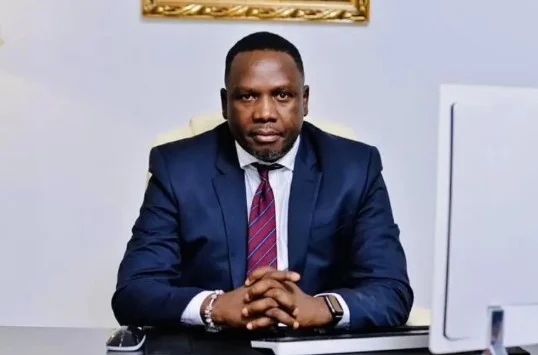
The Special Assistant to the President on Media and Public Communication, Daniel Bwala, outlined various measures the Federal Government is implementing to address rising challenges such as insurgency, banditry, and kidnapping across Nigeria. His remarks were shared during a panel discussion on the Linkup Podcast, hosted by echoRoom and released on Friday.
Recruiting and Retraining Security Personnel
Bwala emphasized that the current strength of the security forces is inadequate given Nigeria’s vast population and territory. In response, the government is actively working to recruit and retrain a larger security force. “We are investing in training and retraining while also recruiting more personnel,” he explained. He noted that some of the new recruits will serve as forest guards, designated to monitor and counteract terrorist activities, especially in forested areas where criminals often hide or illegally exploit resources.
Expansion of Maritime and Land Security
In addition to enhancing land security, Bwala mentioned that there are ongoing maritime security operations alongside the expansion of police, military, and state security services. The government is mobilizing Marines, increasing police presence, and bringing in additional soldiers and Department of State Services (DSS) personnel as part of this initiative.
Collaboration with Paramilitary Forces and Security Firms
The government is engaging with paramilitary agencies and has granted authorization to select private security companies to bolster overall security efforts. Bwala also highlighted a recent decision by President Bola Tinubu to withdraw police officers previously assigned to protect dignitaries, warning that those involved would soon be identified.
Technological Innovations in Surveillance
On the technological front, Bwala revealed that the government is investing in advanced surveillance tools, including drones and interception systems, aimed at enhancing security operations around the clock. “We are leveraging modern technology to support our efforts, such as the deployment of drone systems and interceptors,” he remarked.
International Collaboration in Counter-Terrorism
In a significant development, Nigeria is collaborating with its Sahelian neighbors on counter-terrorism strategies and has expanded its military partnership with the United States. This collaboration marks a notable first in the country’s history, with special forces recently completing a series of focused operations, while other units remain on the ground for continued training—though specifics about these operations remain confidential.
Addressing the Kidnapping Crisis
Bwala described the kidnapping epidemic as a “crisis economy,” whereby such crimes are perpetrated not only by terrorists but sometimes also by local residents, including the victims’ own neighbors. He affirmed the government’s commitment to expanding the presence of local law enforcement and the DSS, highlighting community-based policing initiatives, such as efforts by the Lagos State governor to engage local security personnel.
Election-Related Insecurity Concerns
Historically, Bwala noted an increase in insecurity activities leading up to elections, which tend to decline afterward as law enforcement mobilizes to restore order. He urged the public to assess the government’s security performance with this context in mind, stressing the importance of holding judgments until after the election period. He cited recent arrests of senior police officers involved in corrupt practices as part of ongoing efforts to enhance accountability within security agencies.
