


newYou can now listen to Fox News articles.
The U.S. House of Representatives Subcommittee on Africa held a hearing Thursday on the persecution of Christians in Nigeria. Subcommittee Chairman Chris Smith (RN.J.) described the persecution as “systematic and accelerating violence against Nigeria’s Christian-majority communities.”
Lawmakers from both parties questioned government officials and outside experts amid testimony about the breakdown in security, mass killings, kidnappings and impunity that have turned Africa’s most populous country into what one lawmaker called “the most dangerous place on Earth for Christians.”
Smith, who has long sounded the alarm about the persecution of Christians in the country, described the situation in vivid terms.
President Trump’s warning to Nigeria offers hope to persecuted Christians in the country
Christians march through the streets of Abuja during prayers and repentance for peace and security on March 1, 2020 in Abuja, Nigeria. – Nigeria’s Catholic bishops have rallied their faithful, as well as other Christians and others, to pray for safety and to condemn the barbaric killings of Christians by the Boko Haram insurgents and the persistent kidnappings for ransom in Nigeria. (Photo by KOLA SULAIMON/AFP via Getty Images)
“Nigeria is ground zero, the epicenter of the most brutal and cruel anti-Christian persecution in the world today.”
He called the hearing “a very important hearing,” noting that it was his 12th such hearing and that he had led three human rights visits to the country.
Smith cited previous testimony from Bishop Wilfred Anagbe of the Diocese of Makurdi, who cited extremists who “kill people and brag about it…kidnapping and raping people and enjoy complete impunity from elected officials.”
He highlighted the June 13 attack in Yola, saying that according to reports, “278 people, including men, women and children, were killed in an unspeakably gruesome manner, with people shouting ‘Allah Akbar’ while slaughtering the victims.”
“This is not random violence. This is deliberate persecution,” Smith said. “There may be other factors, but religion is driving this.”
Smith also pointed out that moderate Muslims who speak out against extremists are also often killed, highlighting the extent of Nigeria’s “culture of denial”.
President Trump designates Nigeria as a ‘country of special concern’ over widespread persecution and killing of Christians
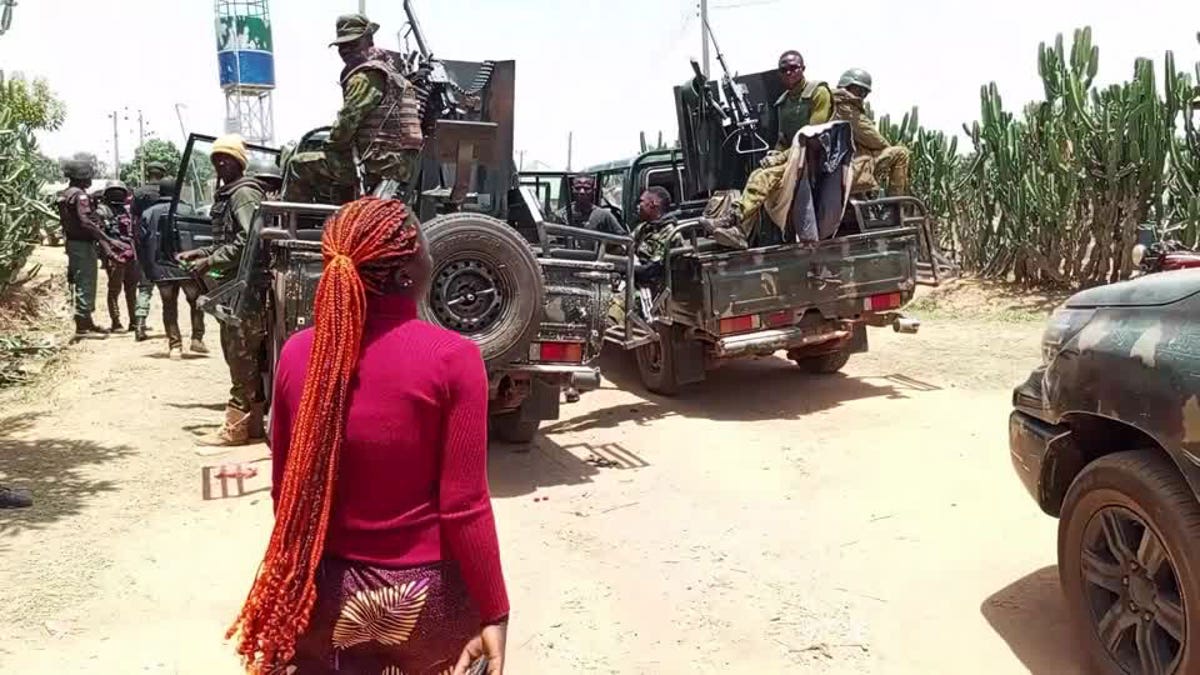
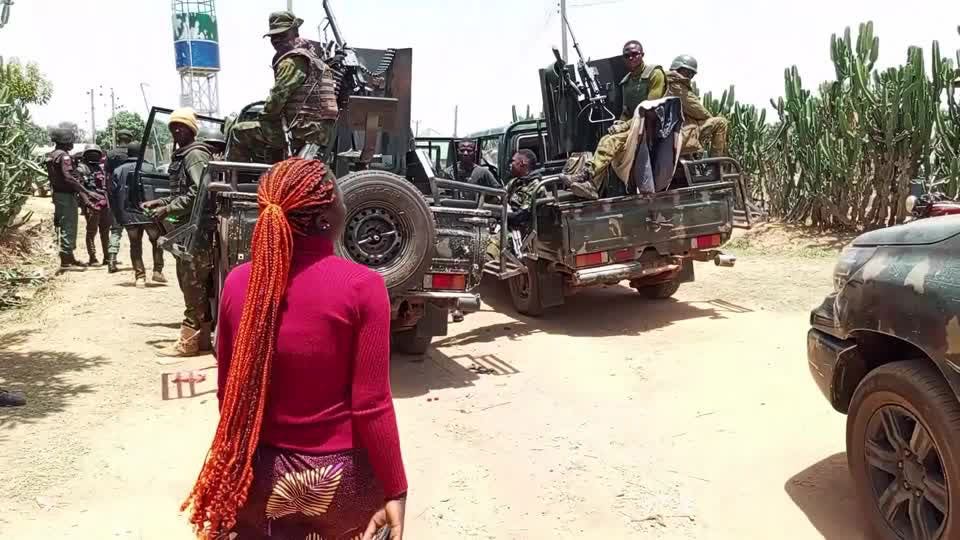
At least 51 Christians have been killed in a new attack in Nigeria’s Plateau state. (Reuters)
Rep. Sarah Jacobs (D-Calif.), the committee’s ranking member, agreed that Nigeria faces a catastrophic insecurity, but cautioned against “oversimplified narratives.”
Citing overlapping factors, including militant insurgency, peasant-herder conflict and organized banditry, she said the 25 girls recently abducted in Kebbi state were all Muslims.
“Violence affects everyone,” she says. “False narratives erase the real drivers of violence and make it harder to find solutions.”
She condemned Trump’s comments about “running into Nigeria with guns blazing,” calling such statements reckless and illegal and saying unilateral U.S. military action would be “counterproductive.”
Jacobs argued that the Trump administration has cut back on peacebuilding and conflict prevention tools that once helped reduce violence, “programs that proactively prevent and directly address the violence that this administration is now concerned about.”
Cruz clashes with Nigeria over claims that 50,000 Christians have been killed in religious violence since 2009
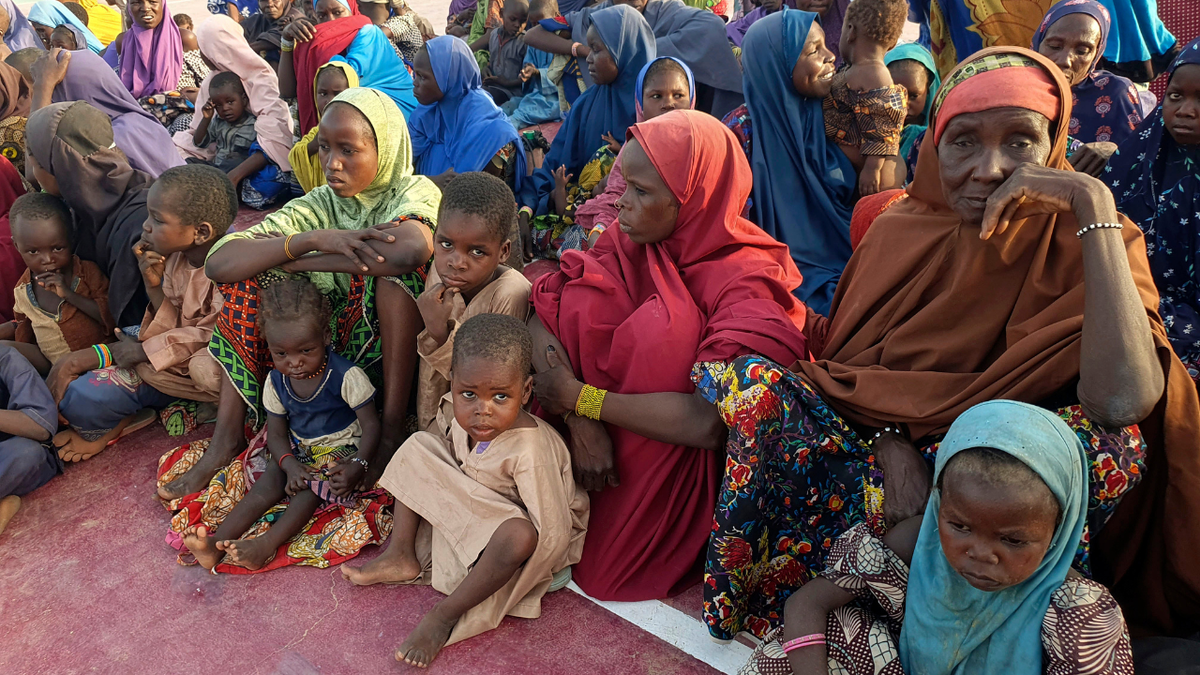
Women and children captured by Islamic extremists arrive in Maiduguri, Nigeria, on May 20, 2024, and are rescued by the Nigerian military. (AP Photo/Josie Olatunji)
Congressman John James (R-Mich.) described Nigeria’s crisis in harsh terms.
“This is one of the world’s most serious religious freedom crises,” he said. “The most dangerous place on earth for Christians.”
He cited estimates that nearly 17,000 Christians have been murdered since 2019 and said the killings “represent a continuing pattern of religiously motivated violence that is often ignored or enabled by the Nigerian government.”
Bishop Wilfred Anagbe, appearing by video from Benue State, detailed the priests who have been targeted by church burnings, mass evacuations and kidnappings.
“Nigeria remains the most dangerous place on earth for Christians,” Anagbe said. “More believers are killed there each year than in the rest of the world combined.”
He expressed gratitude to the administration for designating Nigeria as a country of special concern (CPC) for violations of religious freedom, but urged it to support increased sanctions and humanitarian assistance to displaced persons.
Two senior State Department officials, Jonathan Pratt and Jacob McGee, acknowledged the horror of the attack but defended the administration’s approach.
Pratt called the situation a “very serious security issue” and said the United States was working to make “the protection of Christians a top priority for the Nigerian government.”
McGee added: “The level of violence and brutality perpetrated against Christians is alarming. …Nigerians are being attacked and killed for their faith.”
He pointed to blasphemy laws in 12 northern states that can carry the death penalty, saying they are “unacceptable in a free and democratic society.”
‘Genocide cannot be ignored’: Republican lawmakers back Trump’s threat of military action in Nigeria
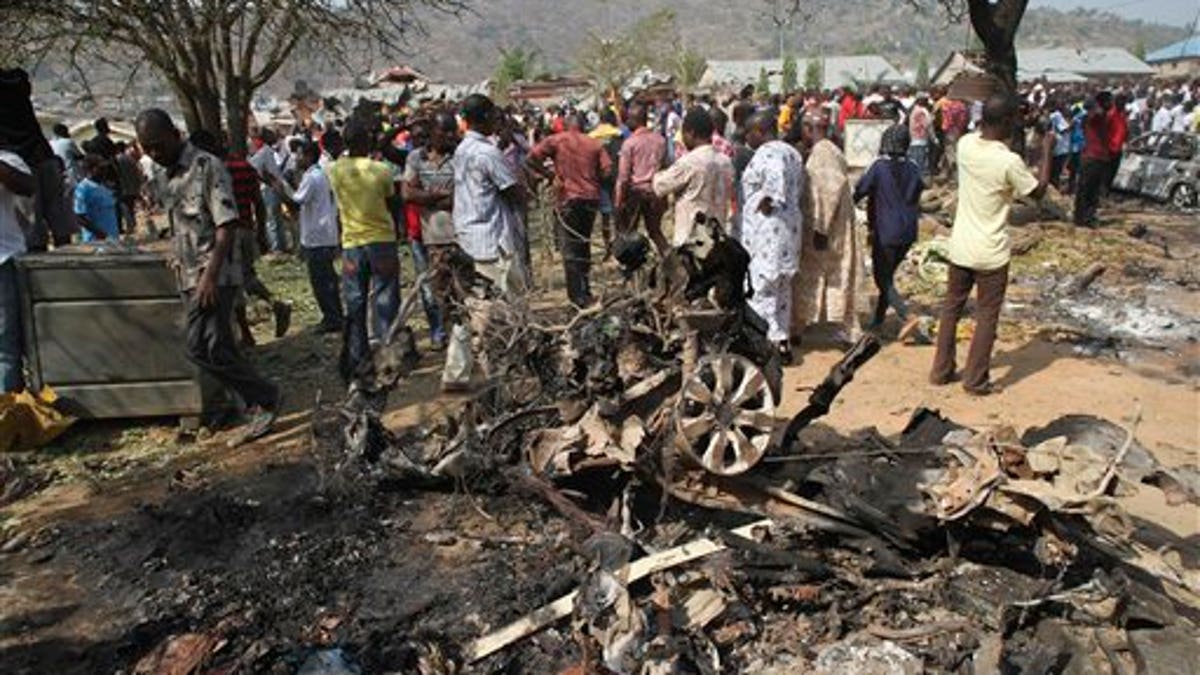
Onlookers gather around a car destroyed by an explosion next to St. Teresa’s Catholic Church in Madara, Nigeria, on December 25, 2011, when an explosion destroys a Catholic church during Christmas Mass near Nigeria’s capital. (Related news)
Both officials said the United States is developing plans to “encourage and compel” the Nigerian government to protect religious communities.
In an exchange with Rep. Marlin Stutzman (R-Nigeria Expert), he bluntly asked, “Ma’am, are we frenemies? What are we? What are we?”
Oge Onubogu, director of the Africa Program at the Center for Strategic and International Studies, responded: “We are friends.”
He added that U.S.-Nigerian engagement should be done “from a place of good faith” and that Nigerians “recognize that something has to be done urgently on the level of security.”
But Onubogu warned that “a narrow narrative that reduces Nigeria’s security situation to a single narrative” could deepen divisions.
Stutzman further pressed her, saying, “If the Nigerian government cannot stop the violence, it should be willing to seek help from the international community.”
Click here to download the FOX News app
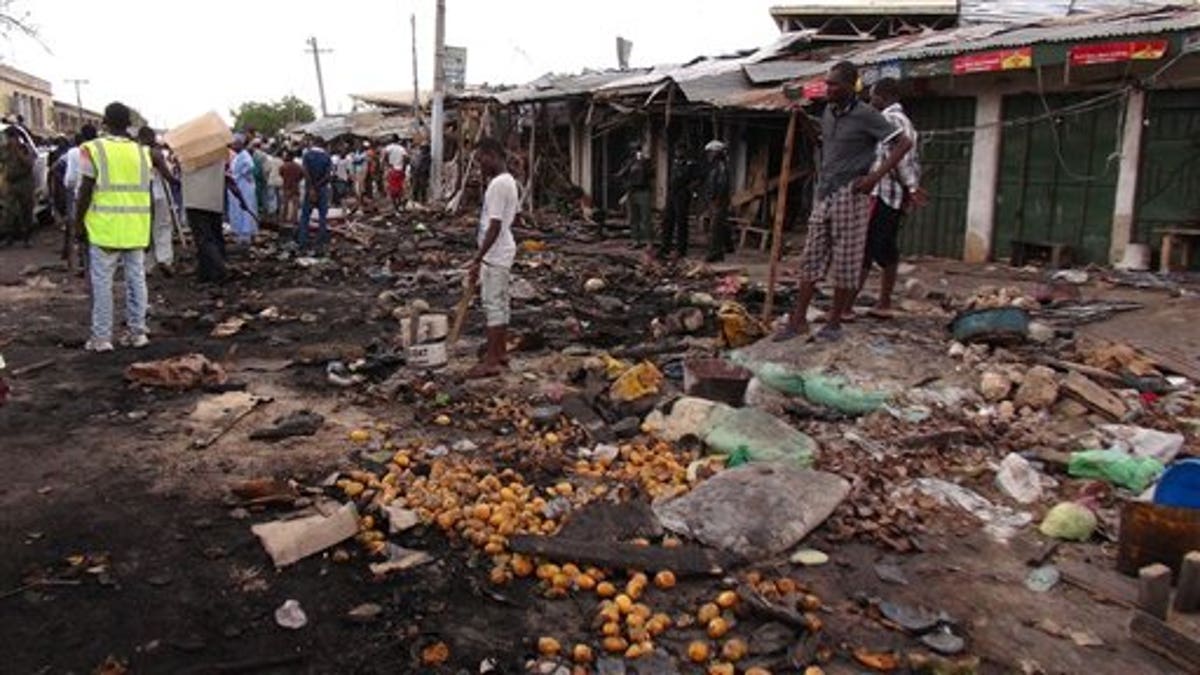
People gather after a car bomb explodes at the central market in Maiduguri, Nigeria, the birthplace of the terrorist group Boko Haram, on July 2, 2014. (AP Photo/Josie Ora)
As the hearing drew to a close, Smith warned, “The Nigerian government has a constitutional obligation to protect its people. If we cannot stop this genocide, America, and the world, must not look away.”
