


AI Transformations Amid Workforce Changes in the Technology Sector
Artificial intelligence is fundamentally changing the technology landscape. Recently, major players like Amazon, Block, Oracle, and Meta are ramping up investments in AI-driven solutions while concurrently reducing their workforces. This signals a pivotal shift toward automation as companies seek to streamline operations and enhance efficiency.
Broadly, automation is emerging as a vital avenue for businesses, with applications ranging from AI coding assistants that generate software to automated customer service tools and sophisticated analytics platforms that minimize manual data handling. The allure of these technologies lies in their potential to create leaner operations, accelerate decision-making, and reduce costs.
Yet, this transition raises important questions regarding the future of work and human oversight in an increasingly automated economy. For Africa’s burgeoning tech ecosystem, the dialogue encompasses more than workforce transitions; it centers on the responsible and safe deployment of artificial intelligence in business practices.
In cities like Lagos, Nairobi, and Cape Town, startups are rapidly integrating AI into their operations, particularly within the fintech sector. These platforms employ machine learning algorithms for fraud detection, compliance automation, and customer behavior analysis, navigating complex financial landscapes with agility.
The advantages of AI are undeniable. These systems can process vast amounts of transactional data within seconds, identifying fraudulent patterns that conventional methods might miss. For fintech organizations managing diverse payment systems across various currencies, these capabilities significantly enhance both reliability and security.
However, many African markets are advancing their AI innovations at a pace that outstrips regulatory frameworks. The absence of comprehensive policies governing AI usage leaves companies vulnerable as they implement potent systems without fully understanding their legal, ethical, and operational ramifications.
The potential risks are considerable. Algorithms that influence financial decisions without adequate oversight can lead to serious issues, including data privacy breaches, inaccurate risk assessments, and automated processes that affect customers in ways that lack human review. As AI adoption accelerates, effective governance becomes as essential as technological advancement.
Paystack’s Approach to AI Governance
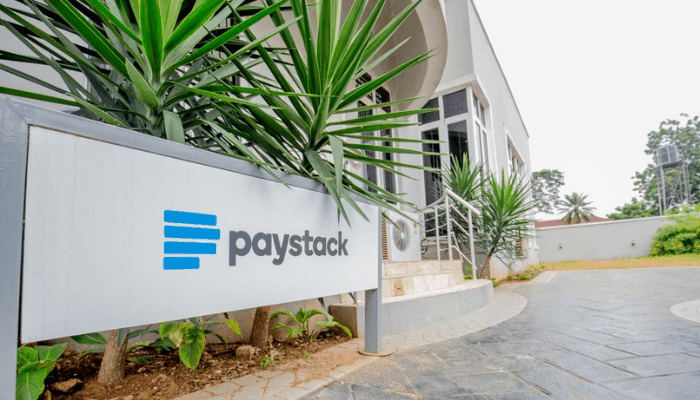
One standout example of responsible AI deployment in Africa is Paystack, a fintech company that has established a structured governance framework to manage risks associated with AI while encouraging innovation.
Instead of permitting unregulated experimentation, Paystack advocates for a systematic governance strategy. Central to this methodology is a guiding principle: AI enhances safety in the financial ecosystem while bolstering reliability and trustworthiness.
This philosophy is reflected in how the organization evaluates new AI tools. Paystack maintains a “centralized inventory” of all AI systems in operation, detailing their applications, data interactions, and associated risks. This living registry promotes visibility across departments and helps prevent the introduction of unvetted tools into workflows.
To gain approval for new AI implementations, proposals must include comprehensive documentation outlining the system’s purpose, ownership, intended costs, the type of data it will process, valid use cases, and potential risks. Each proposal undergoes centralized review, ensuring accountability and oversight from the outset.
This regulatory rigor extends across various applications, from sophisticated fraud detection systems to routine productivity enhancers. For instance, Paystack utilizes AI assistants to augment internal efficiency while its development team employs coding tools during software creation.
However, the integration of these tools is approached with caution. As Paystack highlights, the value of AI stems not only from its performance but also from responsible management. Rigorous security and privacy assessments are mandated prior to incorporating new tools, with a focus on how data is processed and safeguarded.
The Importance of Human Oversight in AI Deployment
Paystack enforces strict limitations on the AI tools permitted for use in regulated industries. Typically, free AI tools are not sanctioned for high-risk applications, mitigating the potential for unencrypted data sharing or unchecked model training. Furthermore, systems involved in critical functions like fraud detection receive additional scrutiny due to their direct influence on customer trust and system integrity.
The company’s governance framework emphasizes that human oversight remains critical. AI tools serve as assistants rather than decision-makers, with teams retaining the responsibility for validating outputs. For instance, if an automated system flags a potentially suspicious transaction, a human analyst must review the alert before any account restrictions are enacted.
Guidance for African Tech Entrepreneurs
The swift integration of artificial intelligence provides African startups with the leverage to compete on a global scale. Nevertheless, mere speed does not guarantee success.
Automating significant portions of operations may enhance efficiency, but without robust governance frameworks, companies risk exposing sensitive customer data, fostering algorithmic biases, and eroding user trust.
Paystack’s model illustrates an alternative path. By embedding accountability, human oversight, and regulatory mindfulness into its AI strategy, the company exemplifies how innovation and responsibility can coexist harmoniously.
As artificial intelligence becomes further entrenched in Africa’s digital landscape, the focus must shift from mere adoption to fostering transparent and human-centric AI policies.
