


AI’s Emerging Role in Africa’s Sustainable Development Goals
Over the past year, artificial intelligence (AI) has captured global attention due to its transformative potential. Its role in advancing the 2030 Sustainable Development Goals (SDGs) has become increasingly evident, underscoring the urgent need for Africa to fully embrace this technology.
African AI Language Model Initiative Launched
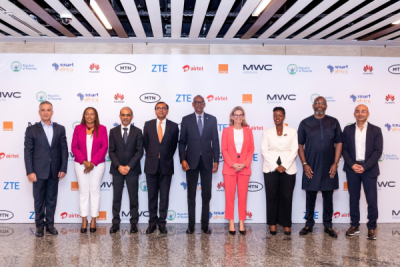
The GSMA, a global association representing mobile operators, recently announced an ambitious pan-African collaboration involving six leading mobile companies: Airtel, Axian Telecom, Ethio Telecom, MTN, Orange, and Vodacom. This initiative, introduced on October 21 in Kigali, Rwanda, during Mobile World Congress, aims to create a comprehensive language model that captures and projects Africa’s rich linguistic and cultural diversity in the global digital landscape.
Empowering African Voices in AI Development
Angela Wamora, GSMA’s head of Africa, emphasized that Africa’s linguistic and cultural diversity, though historically overlooked in global AI development, provides a unique strength. This initiative seeks to convert existing challenges into opportunities by enhancing African-led AI capabilities, stimulating innovation across local sectors, and ensuring that Africa has agency in shaping its digital future. The goal is to create AI systems that are more inclusive and reflective of the continent’s diverse realities.
Role of Coalition Members in Addressing Language Barriers
Leading the coalition, Orange is pivotal in establishing a partnership with OpenAI and Meta to develop AI technologies capable of recognizing and interacting with African languages. This collaboration is expected to enhance customer service and user experiences while facilitating non-profit initiatives in crucial areas such as healthcare and education.
Closing the Digital Language Gap
The coalition comprises digital innovators, research institutes, and startups like the African Health and Population Research Center (APHRC), Cassava Technologies, and the Masakhane African Languages Hub. Together, they aim to address significant gaps in data availability, computing resources, talent acquisition, and public policy. Current AI language models predominantly focus on a limited subset of global languages, often excluding Africa’s thousands of languages, which alienates billions of potential users. This “AI language gap” poses substantial barriers to leveraging advancements in AI across key sectors, including education, healthcare, agriculture, and public services.
Potential Economic Impact of AI in Africa
As internet connectivity and mobile web usage grow — with smartphone penetration projected to reach 88% by 2030 — Africa’s role in the global AI market remains modest at just 2.5%. However, recent estimates suggest that AI could enhance African economies by $2.9 trillion, translating to a 3% increase in annual GDP growth by 2030.
Strategic Framework for AI Development in Africa
A feasibility study conducted by GSMA and its partners confirmed the economic and technical viability of creating a locally designed language model. Success hinges on cohesive efforts to avoid fragmented initiatives. The coalition is forming thematic working groups focused on data, computing, talent, and policy, with an intention to showcase progress at upcoming GSMA events. Achieving mastery over data and AI models is not merely symbolic; it is essential for fostering the continent’s digital sovereignty and reducing reliance on external technologies.
Call for Collaboration Across the Ecosystem
The coalition’s strategy is anchored on four pillars: data collection, computing resources, talent development, and governance. This involves gathering millions of words and phrases from various African languages while ensuring strict ethical guidelines. Industry stakeholders are encouraged to support this initiative through data sharing, computation resources, skills, and financial contributions. Through transparent governance, continuous funding, technical interoperability, and open performance metrics, this collaborative effort aims to bridge the digital divide and enrich Africa’s evolving technological landscape.
