


Debate Intensifies Over Proposed Fee on International Wire Transfers in Alabama
MONTGOMERY, Alabama — A proposal under consideration by lawmakers could impose a 1.5% fee on international wire transfers, prompting significant concerns about its impact on immigrants and potential federal overreach.
Details of the Proposed Legislation
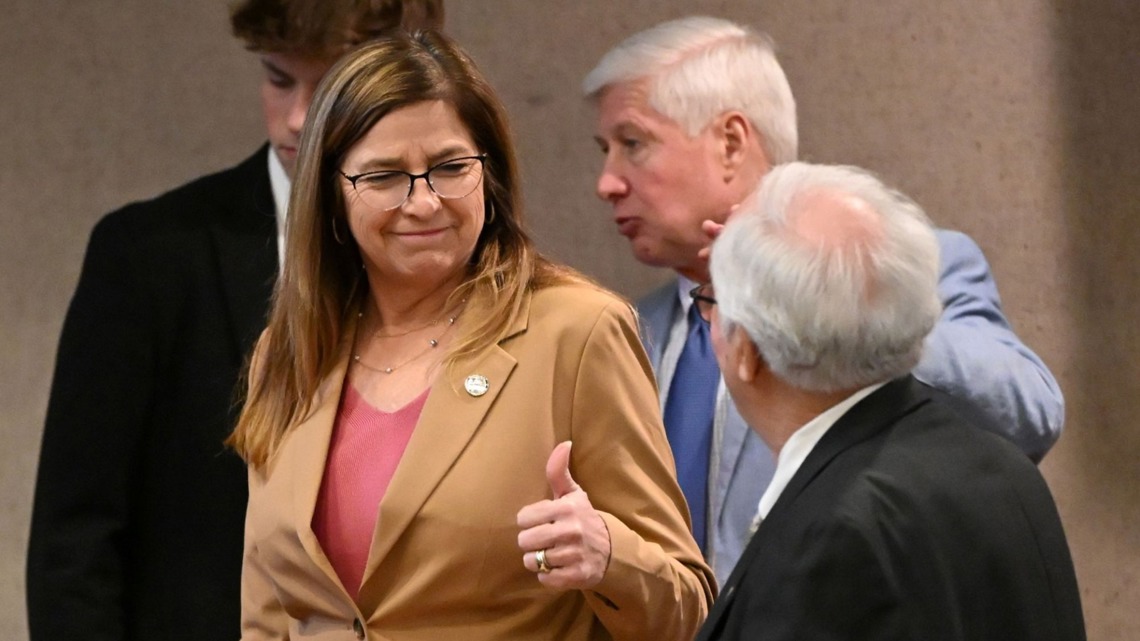
Sponsored by Rep. Jennifer Fiddler (R-Silver Hill), HB 585 mandates that companies facilitating money transfers from Alabama to foreign countries collect a 1.5% surcharge. Fiddler had attempted to advance a similar bill the previous year as part of a broader legislative effort aimed at addressing issues impacting immigrant communities, but it did not succeed.
Inspiration Behind the Bill
Fiddler noted that the idea for this legislation emerged after a group of lawmakers visited the Mexico-U.S. border to gain insights into the challenges faced by local communities. This visit led to the belief that additional measures are needed to support areas experiencing an influx of immigrants.
Census Data on Immigrant Population
Despite some regions in Alabama having significant foreign-born populations, the state’s overall immigrant percentage remains lower than the national average. According to recent U.S. Census data, approximately 4.5% of Alabama residents are foreign-born, compared to 14.8% across the nation.
Opposition to the Bill
During a recent hearing, the bill faced robust opposition. Carlos Torres, program director for the Alabama Hispanic and Immigrant Center, argued that the legislation would act as an unjust tax on all Alabama residents and risks conflicting with existing federal regulations.
Implications for Financial Services
The bill outlines that wire transfers made through financial services providers like Western Union would incur this surcharge. The Alabama Securities Commission would collect the fees, funneling them into a designated Wire Transfer Fee Fund. This fund would then be allocated to the prosecutor’s office, which would distribute the money statewide for immigration enforcement costs.
Compliance and Penalties
In addition to the fee, the legislation would require financial service providers to report any cash transactions exceeding $2,000 within 30 days. Records must be maintained for all transactions over $1,000, while companies violating these requirements may face severe penalties, including felonies that carry substantial prison time and fines.
Tax Credits and Legislative Review Committee
Taxpayers would be able to claim a non-refundable tax credit for fees paid up to $5,000, although this incentive would expire in 2030. The bill also proposes the formation of a Legislative Review Committee to further explore the ramifications of these measures.
Concerns Among Lawmakers
Opponents, including some lawmakers, have questioned the necessity of the bill. Jim Barton, a former Alabama congressman and current president of a public relations firm, criticized the proposal as redundant and unnecessary, suggesting it does not improve existing oversight frameworks already in place for licensed remittance providers.
Further Clarifications from Lawmakers
Some lawmakers, such as Rep. Penny McClamy, D-Montgomery, raised concerns about the funding sources for the proposed tax credit, intended to be supported by the Education Trust Fund budget. Fiddler has defended the bill, asserting that it aims to address burdens on communities stemming from immigration issues. Rep. Andy Witt, R-Harvest, added that the legislation could impose additional financial strain on Alabama taxpayers.
