


Federal Court Blocks Trump’s Orders on Birthright Citizenship
WASHINGTON — A federal court has halted President Donald Trump’s sweeping orders aimed at ending birthright citizenship for children born to individuals illegally or temporarily residing in the United States. The ruling comes as the Trump administration appeals a New Hampshire federal judge’s decision that deemed an executive order issued on his first day of his second term as potentially violating the 14th Amendment and federal law.
Legal Challenges Highlight 14th Amendment’s Citizenship Clause
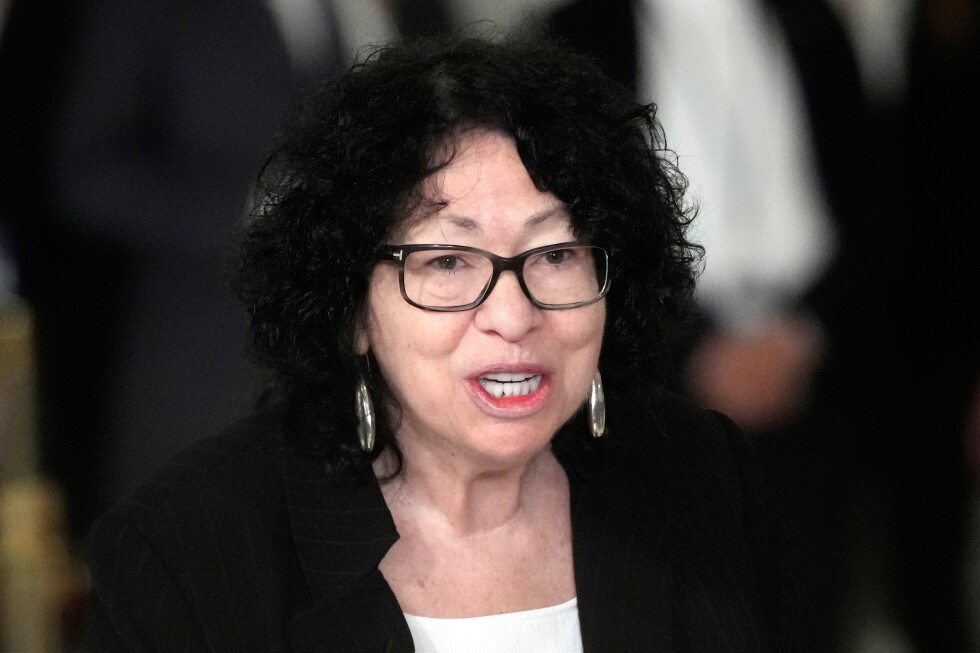
At the center of this legal battle is the citizenship clause of the Fourteenth Amendment, which declares that “all persons born or naturalized in the United States” are nationals under its jurisdiction. Legal experts, including three liberal justices of the Supreme Court, have voiced strong opposition to Trump’s executive order. Justice Sonia Sotomayor remarked that the president’s actions have “solemnly ridiculed” the Constitution, alongside Justices Elena Kagan and Ketanji Brown Jackson, who dissented from a ruling that restricted the ability of federal judges to issue nationwide injunctions.
Supreme Court Precedent Cited to Support Rulings Against the Executive Order
Following the Supreme Court’s prior ruling, justices cited a historic 1898 decision as a cornerstone of their arguments against Trump’s order. The case, United States v. Wong Kim Ark, established a clear precedent supporting birthright citizenship, contradicting the proposed changes by the Trump administration. This legal framework underscores the significance of the Fourteenth Amendment as it was ratified in 1868 and reflects long-established interpretations of citizenship.
Implications of Citizenship Denial for Children of Unauthorized Individuals
U.S. District Judge Joseph N. LaPlante articulated serious concerns regarding the implications of denying citizenship to children born in the U.S. to parents living illegally or on temporary visas. He expressed that such a denial would leave them stateless and vulnerable to deportation to countries they may not have ever visited. Meanwhile, Judge Deborah Boardman in Maryland reaffirmed previous decisions, noting that the executive order defies the explicit language of the Fourteenth Amendment and contradicts more than two centuries of citizenship precedent.
Ninth Circuit Court Affirms Unconstitutionality of the Executive Order
A California appellate panel has also weighed in, ruling that Trump’s order misinterprets American history and constitutional law. Judge Ronald Gould emphasized that the executive order’s interpretation stands in stark opposition to foundational legal precedents, including the government’s long-standing practice surrounding citizenship. He argued that the proposed changes add unnecessary constraints that the Constitution does not support.
Massachusetts Court Upholds Ruling Against Birthright Citizenship Changes
A federal appeals court in Massachusetts recently ruled against Trump, with Judge David Barron leading a unanimous panel. In a comprehensive 100-page opinion, Barron stated that the fundamental issues surrounding birthright citizenship are straightforward, contrary to the complicated narrative portrayed by the executive branch. He highlighted the nation’s troubling history regarding citizenship rights, particularly referencing the Supreme Court’s Dred Scott decision, which denied citizenship to black Americans and precipitated the creation of the 14th Amendment.
Historical Context of Birthright Citizenship Under Threat
Judge Barron cautioned against dismissing established legal traditions regarding birthright citizenship, noting that recent efforts to curtail these rights stem from a past marked by attempts to undermine citizenship based on parental status. He argued that the language of the Fourteenth Amendment ought to be protected and not altered based on contemporary political agendas. The ongoing legal challenges against Trump’s executive order highlight the critical importance of upholding constitutional principles regarding citizenship in America.
