


Nigeria Secures £746 Million Financing for Port Redevelopment
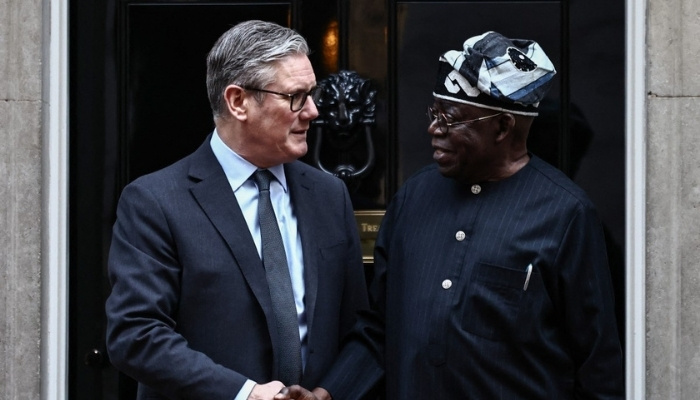
During a recent state visit, President Bola Tinubu finalized a £746 million (N1.4 billion) financing agreement with the British government aimed at revitalizing Nigeria’s primary trading ports: the Lagos Port Complex (Apapa Quays) and the Tincan Island Port Complex. This landmark agreement represents a turning point for the maritime sector, which has grappled with aging infrastructure for decades. Despite previous plans to modernize these facilities, efforts have stalled amid increasing congestion, declining efficiency, and competition from better-equipped regional ports.
Funding Arrangement Details
The UK Government announced that the £746 million loan will be disbursed through the UK Export Finance (UKEF) Buyer Credit Facility, with Citibank facilitating the arrangement. The Nigerian Ports Authority (NPA) and the Federal Ministry of Finance will also play vital roles in this project. Richard Hodder, Global Head of Export and Agency Financing at Citi, expressed satisfaction in working with UKEF to deliver the largest export credit agency-backed facility ever established in West Africa. Notably, a portion of the loan, totaling at least £236 million, must be allocated to British goods and services.
British Steel Gains from the Agreement
Peter Kyle, UK Secretary of State for Business and Trade, emphasized that the agreement represents significant progress for British Steel. The company has secured a £70 million contract to supply 120,000 tonnes of steel billets to Hitech Nigeria and ITB Nigeria—a construction firm led by Gilbert Chagoury, a Lebanese-Nigerian businessman closely affiliated with Mr. Tinubu. This marks British Steel’s largest export order backed by UKEF. British Steel CEO Alan Bell noted that this record contract is a substantial boost for their workforce and supply chain, coinciding with the government’s new strategy to rejuvenate the steel sector, which has faced challenges due to overcapacity and soaring operational costs.
Potential Benefits for Nigeria
According to Adegboyega Oyetola, Minister of Oceans and Blue Economy, the effective execution of this project is expected to significantly reduce vessel turnaround and cargo dwell times. Automation and improved production capacity will ease longstanding bottlenecks that have plagued the ports. Recent findings from the Sea Empowerment and Research Center indicate that while the average journey for ships at Nigerian ports is around 5-7 days, comparable ports in Lomé and Tema see average times of just 2-3 and 3-4 days, respectively. Additionally, cargo dwell times in Nigeria range from 10 to 18 days, far exceeding the global standard of 3 to 5 days.
“Enhanced infrastructure will facilitate quicker customs clearance, decrease demurrage and logistics costs for businesses, and improve overall predictability and transparency in cargo movement,” Oyetola explained. Representatives from Citi anticipate that the renovations will yield increased revenue and substantial economic advantages for Nigeria in the coming years. However, the government has not provided specific details regarding the port renovations or the operational timeline for project completion. Key aspects of the loan, including interest rates and repayment terms, remain undisclosed.
Framework for Future Cooperation Established
Alongside the financing agreement, Nigeria and the UK have also signed a Memorandum of Understanding to lay the groundwork for future collaboration. This MoU will outline a pipeline of priority projects in Nigeria that seek UKEF financing and support, ensuring that the UK can secure significant participation in the associated supply chains. This broader strategic partnership aims to strengthen ties between the two nations and improve the efficiency of Nigeria’s critical maritime sector.
