


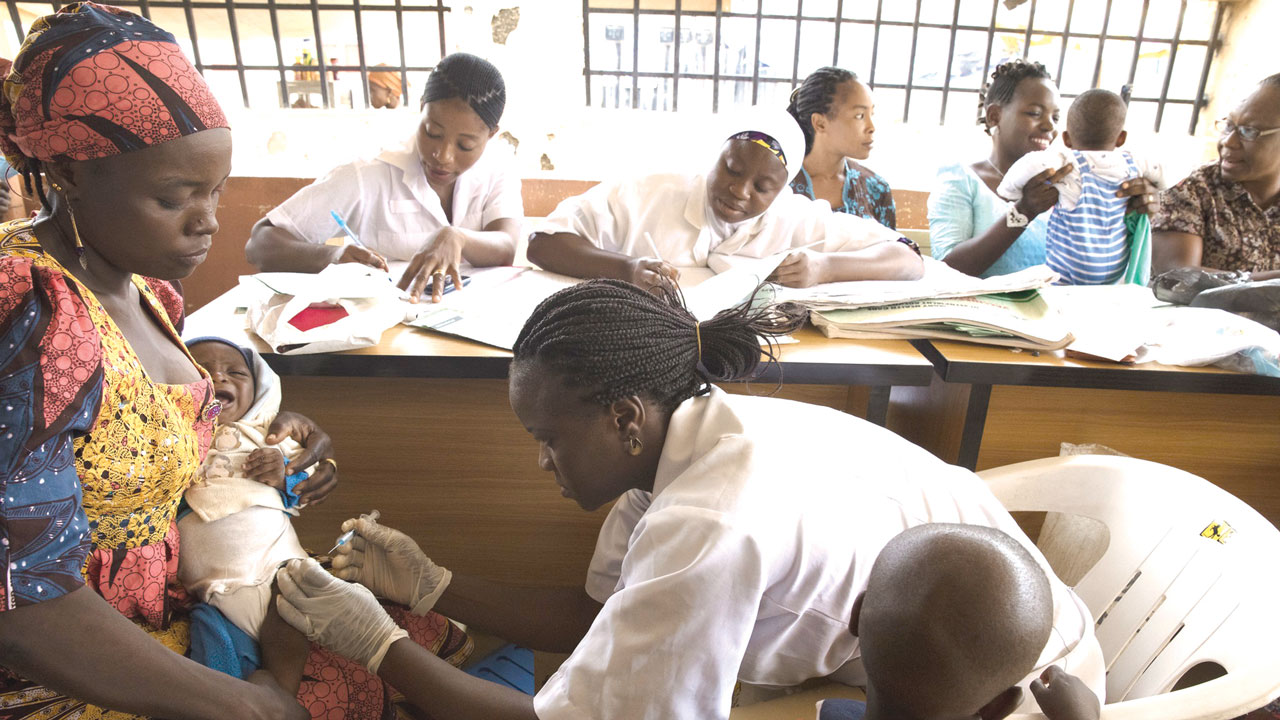
Nigeria’s Struggles with Public Health Amidst Economic Strengths
Nigeria, often referred to as the “Giant of Africa,” boasts a robust population and an expansive economy. With over 250 ethnic groups and approximately 380 languages spoken, it presents a rich tapestry of cultural and religious diversity. However, these strengths are significantly overshadowed by persistent public health challenges that threaten the nation’s well-being and stability.
Major Public Health Issues in Nigeria
The country faces numerous public health issues, including inadequate sanitation, ineffective control of vector-borne diseases, high maternal and child mortality rates, and both communicable and non-communicable diseases. Other pressing concerns include drug and alcohol abuse, environmental pollution, road injuries, and frequent doctors’ strikes, all of which undermine the healthcare system.
Impact of Noncommunicable Diseases
Unless decisive actions are taken, preventable deaths will persist in Nigeria. The World Health Organization (WHO) has identified Nigeria and other developing nations as being disproportionately affected by noncommunicable diseases. The burden of these conditions is increasing, with significant rises in cardiovascular diseases, tuberculosis, cancer, diabetes, respiratory ailments, and mental health disorders.
Statistics Highlighting Health Crisis
A 2019 report from the Bureau of Statistics and Research indicates that the top ten causes of death in Nigeria included neonatal diseases (12.25%), malaria (12%), and respiratory infections (10.85%), among others. Collectively, these conditions accounted for nearly 69% of all deaths that year. As of 2021, life expectancy at birth in Nigeria stands at approximately 60.87 years, with alarming disparities of 59 years for men and 63 years for women, marking one of the lowest life expectancies globally.
Responses to Infectious Diseases
Nigeria bears one of the world’s highest tuberculosis burdens with 311 cases per 100,000 people, a statistic that underscores its leadership in Africa for this disease. The country is also plagued by various infectious outbreaks including Lassa fever, monkeypox, and COVID-19. Despite being a hub for commerce, Nigeria lacks a robust emergency response and disease prevention framework, raising concerns about its preparedness for future health crises.
Lessons from Ebola and Ongoing Challenges
Notably, Nigeria’s prompt response to the Ebola outbreak in West Africa in 2014 demonstrated its capacity to effectively manage public health emergencies. Utilizing contact tracing and isolation, authorities successfully contained the disease, earning accolades from the WHO. This model is now being replicated in addressing the COVID-19 pandemic, where recovery rates are encouragingly high. However, challenges persist with a significant disease burden from both tuberculosis and meningitis, which together claim approximately 5% of annual deaths in Nigeria.
The Healthcare Workforce and Systemic Issues
Currently, Nigeria experiences a critical shortage of healthcare workers, severely exacerbated by economic and social factors, leading to a mere 27 doctors per 100,000 people—far below the WHO’s recommendation of one doctor per 600 individuals. This shortage is compounded by a stark urban-rural divide, where over 70% of doctors practice in urban centers, leaving rural populations underserved with inadequate medical access.
Counterfeit Medicines and Health Care Delivery
Moreover, the proliferation of counterfeit drugs and the growing problem of antimicrobial resistance pose significant threats to public health. The National Security Strategy 2019 highlighted these issues as national concerns that require immediate attention. Effective primary healthcare systems have failed to address prevalent health issues adequately, necessitating improvements in cooperation among various health ministries and the establishment of a more coordinated healthcare response strategy.
Future Directions for Health Initiatives
To alleviate the public health crisis, the Nigerian government and international health organizations must prioritize the construction and rehabilitation of healthcare facilities, especially in underserved regions. Recruiting additional healthcare workers and ensuring they have conducive working environments is vital. Furthermore, combating drug abuse, reinforcing the principles of International Health Regulations, and controlling counterfeit medicine distribution should be outlined in comprehensive public health strategies.
