


March Madness Sparks Conversation on Immigration Policies
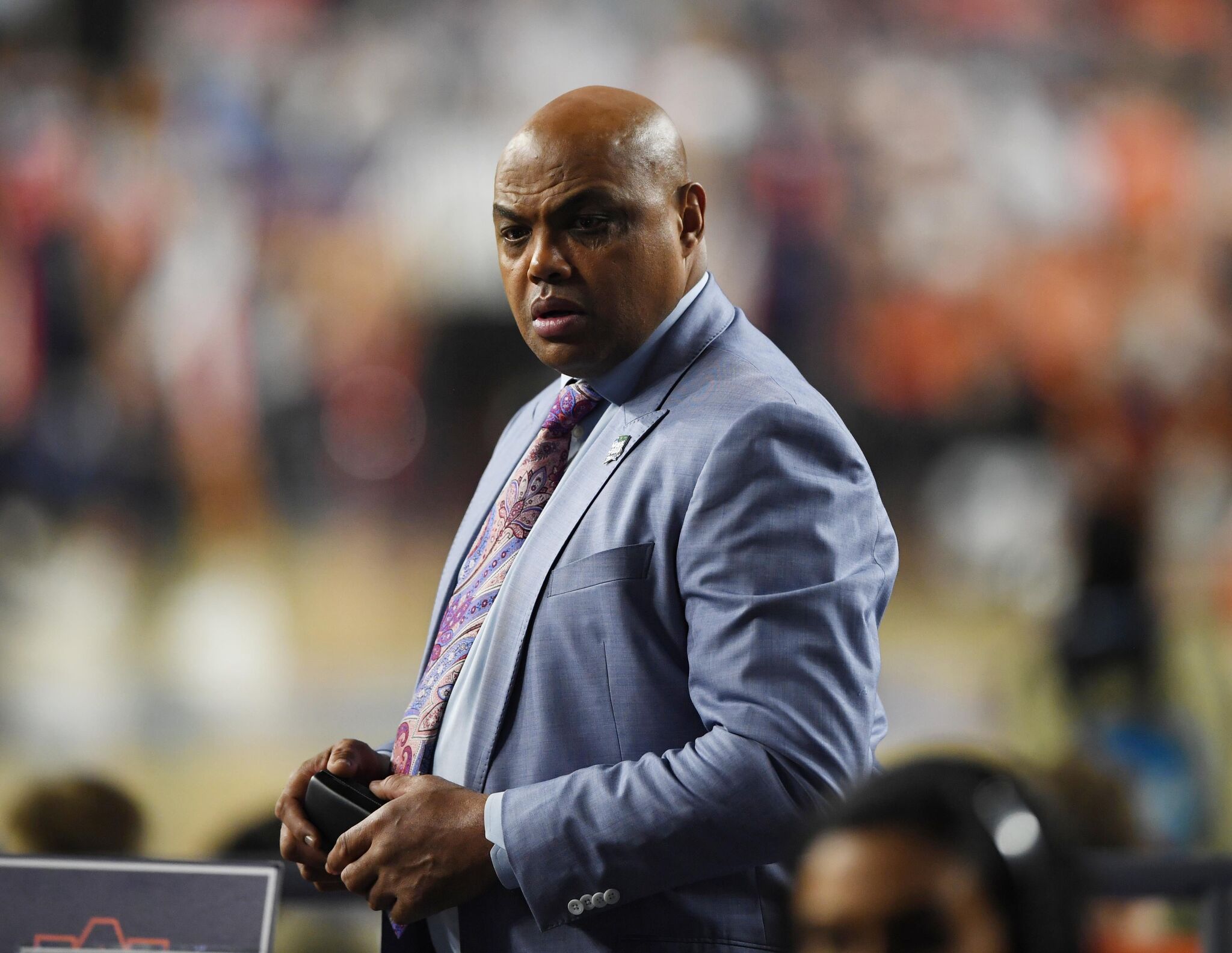
As the excitement of March Madness unfolds, the NCAA men’s and women’s basketball tournament has become an unexpected platform for discussions surrounding immigration issues. The spotlight shone brightly on March 29, when Hall of Fame basketball player and CBS analyst Charles Barkley made headlines with his poignant comments on the topic.
Highlighting Immigration Through Personal Stories
CBS presented the story of Alex Karavan, a senior from Connecticut with parents who immigrated to the United States from Eastern Europe. Last year, the NCAA reported that 264 international students, making up 15 percent of all participants, competed in both the men’s and women’s basketball tournaments, showcasing the diverse backgrounds contributing to American sports.
Barkley’s Candid Reflections on Immigrants
Following Karavan’s feature, Barkley, known for his candidness, expressed his perspective thoughtfully: “I want to be very careful with my words… The way some of the other immigrants are being treated in our country right now is a travesty and a shame.” He differentiated between “great immigrants” who contribute positively and those labeled as “criminal immigrants,” emphasizing the need for compassion and respect for all individuals who help build the nation.
Reaction from Immigration Advocates and Critics
Barkley’s comments drew sharp criticism from advocates of stricter immigration policies, who align with President Donald Trump’s approach. However, they also sparked a broader conversation about the current sentiment toward immigration reform among the American public. Recent polls have indicated a growing belief that the Trump administration’s immigration stance has become increasingly harsh.
Immigration’s Role in American Identity
Barkley’s remarks highlighted the integral role immigrants have played throughout American history, often experiencing both the best and worst aspects of society. While some immigrants have faced severe prejudice and oppressive laws, others have been embraced as vital contributors to the community, reflecting the duality of America’s character.
Shifting Focus on Criminality and Policy Enforcement
In making a nuanced distinction between types of immigrants, Barkley articulated a viewpoint that contrasts sharply with the political rhetoric surrounding immigration enforcement. Data shows that during Trump’s first year in office, less than 14% of the approximately 400,000 immigrants arrested by ICE were charged with violent crimes, indicating a misalignment between policy enforcement and the profile of individuals targeted.
The Broader Impact of Immigration Policies
The harsh realities of immigration enforcement have instilled fear within communities. Many immigrants have begun to withdraw into the shadows, leading to a notable decline in school attendance among emerging bilingual students, as reported by local news. Hospitals in Texas are witnessing decreased visits from undocumented patients following new regulations prompting inquiries into citizenship status, contradicting the notion that immigrants are inherently dangerous.
Anticipating Future Perspectives
The chilling effect of federal policies on immigrant communities raises critical questions about the nation’s moral compass. As individuals navigate these complex challenges, there is hope that a renewed understanding of empathy and support for vulnerable populations may emerge in public discourse, especially as significant political events loom on the horizon.
