


EU and Nigerian Government Unite to Combat Food Waste
The European Union, in partnership with the Nigerian Federal Government and the United Nations Industrial Development Agency, is urging immediate and collective action to address food waste in Nigeria while advancing sustainable consumption and production practices.
Officials emphasized that food waste also results in the loss of significant resources such as water, energy, labor, and capital, which exacerbates climate change and hampers global ambitions for a zero-waste circular economy.
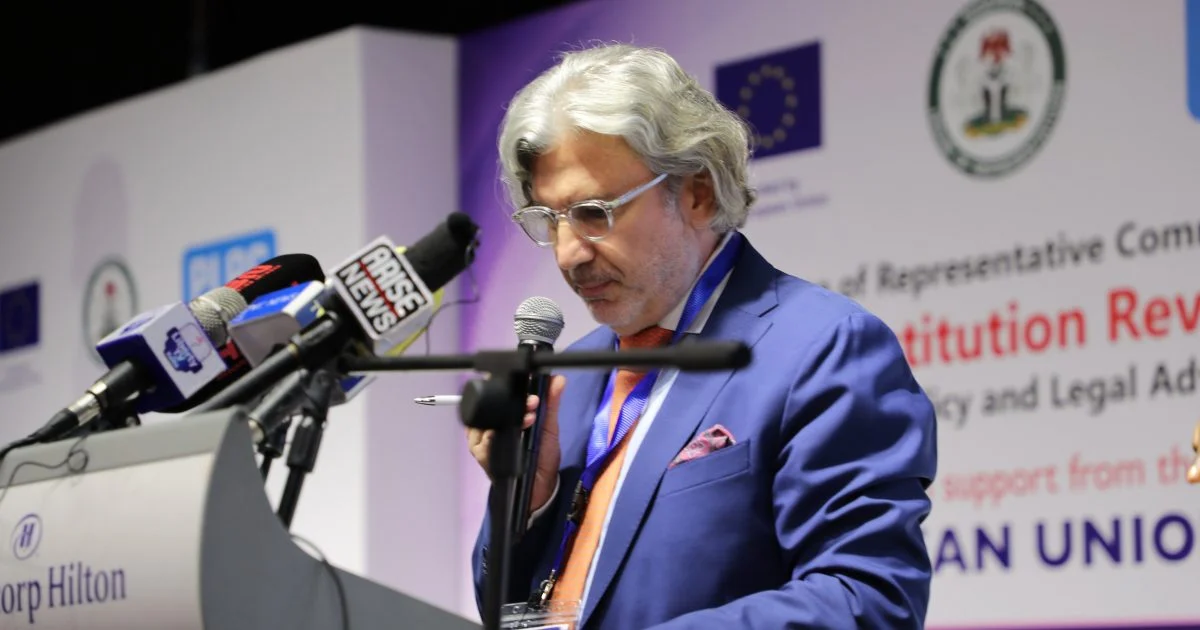
This call to action took place during an event in Abuja to mark this year’s International Zero Waste Day, themed ‘Reducing Food Waste – Minimizing and Adding Value.’
Food Waste Crisis in Nigeria
Zissimos Vergos, Deputy Ambassador of the EU Delegation to Nigeria and ECOWAS, reported a staggering 38 million tonnes of food is wasted annually in Nigeria, the highest figure in Africa. He highlighted the global aspect of this issue, noting that nearly one billion tonnes of food were wasted worldwide in 2022, accounting for nearly a fifth of all food available for consumption.
Vergos remarked, “This crisis represents not only a loss of food but also a squandering of precious resources and a missed opportunity in our fight against hunger, which poses a direct threat to our planet’s health.” He pointed out that food loss and waste are significant contributors to environmental degradation, making up about 10% of global greenhouse gas emissions, which is nearly five times the emissions generated by the entire aviation sector, as well as 40% of global methane emissions.
Nigeria’s Efforts Towards Sustainable Practices
Vergos acknowledged the ongoing reforms in Nigeria and commended the government’s initiatives aimed at fostering a circular economy. He noted that measures like the Nigeria Circular Economy Roadmap, the establishment of an Inter-Ministerial Circular Economy Committee, and the development of National Plastic Waste Management Regulations signify substantial progress.
According to him, “These initiatives indicate Nigeria’s commitment to resolving domestic issues rather than waiting for external solutions. The conversation around food waste reduction and valorization is both timely and necessary.”
Strategic Recommendations for Reducing Food Waste
Building on the EU’s experiences, Vergos outlined three primary actions for Nigeria to mitigate food waste and bolster food security. He called for investments in rural infrastructure, such as roads and storage facilities, as well as cold chain logistics, to minimize post-harvest losses. Additionally, he stressed the necessity of connecting smallholder farmers with processors and markets to facilitate the transformation of fresh produce into value-added products, like tomato paste and cassava flour.
He also proposed integrating zero waste principles, recycling, and resource efficiency into school curricula from the primary level onward, to cultivate a culture of sustainability among future generations.
Nigeria’s Environmental Initiatives
Environment Minister Balarabe Lawal delivered the keynote address, reaffirming the federal government’s commitment to environmental protection and sustainable practices that enhance public health and economic development. He remarked that food waste poses a significant challenge with extensive environmental, economic, and social repercussions.
“Food waste represents major hurdles for the environment and society, particularly as many Nigerians grapple with food insecurity. Every discarded meal signifies wasted resources, including water, energy, labor, and capital,” Lawal stated. He acknowledged that addressing food waste is crucial for sustainable development and a healthier future.
Collaborative Commitment to Food Systems
Losing valuable food resources not only leads to pollution but also increases greenhouse gas emissions, threatening valuable resources and encouraging irresponsible consumption patterns among households, businesses, and institutions. Philbert Johnson, Director and Representative of UNIDO Nigeria Sub-Regional Office, emphasized food’s role as a vital resource that upholds livelihoods, nurtures resilience, and enhances national welfare.
“Food transcends mere commodity status; it is foundational for wealth, health, and security. When food systems operate effectively, they drive income generation and improve community well-being,” Johnson asserted. He concluded by reaffirming UNIDO’s commitment to helping Nigeria build a resilient and sustainable agro-industrial system capable of minimizing food waste and strengthening food security.
Participants at the event collectively highlighted that effectively tackling food waste is essential for attaining the Sustainable Development Goals, reducing environmental degradation, and ensuring enhanced access to food for vulnerable populations.
