


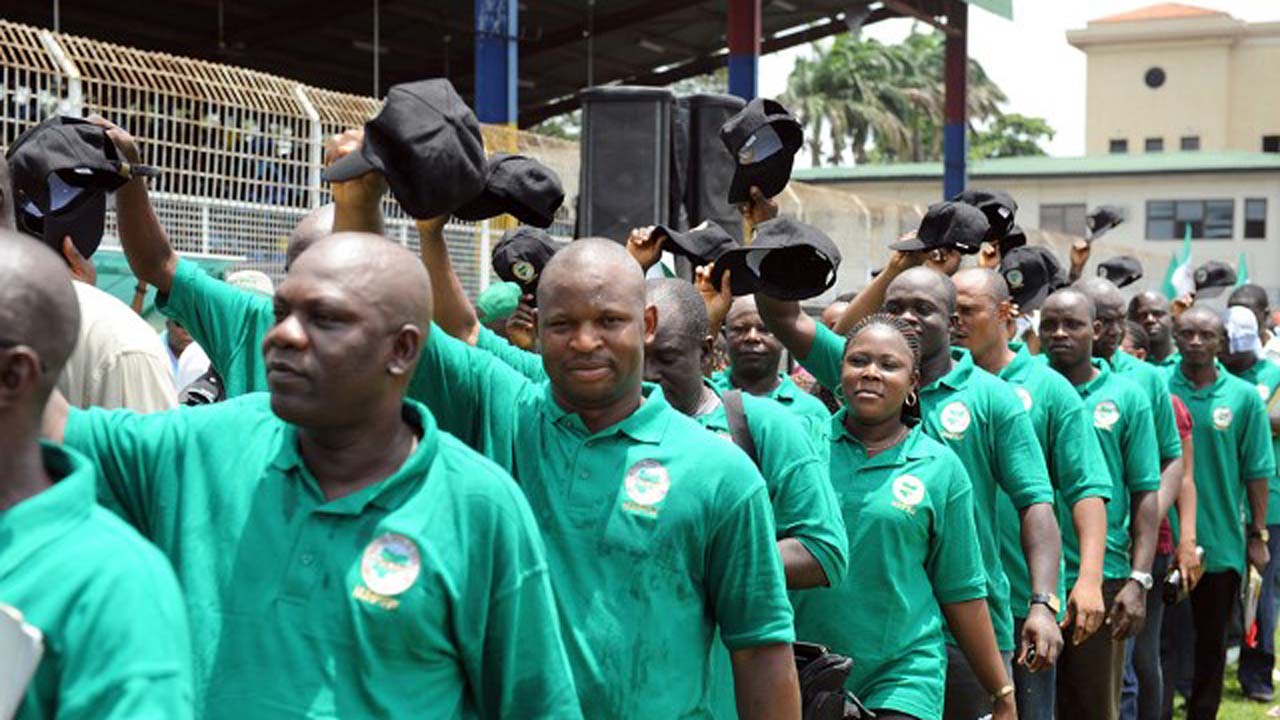
Workers’ Challenges in Nigeria Highlighted on International May Day
This International May Day brings into sharp focus the ongoing struggles faced by Nigeria’s workforce. The working population serves as the backbone of any society, yet in Nigeria, they are often subjected to harsh conditions due to a government that appears indifferent to their plight. The current political landscape offers a crucial opportunity for Nigerian workers to advocate for their rights and seek significant change, particularly as the 2023 elections approach. Now more than ever, it is essential for workers to recognize their collective power and push for a more equitable future.
Historical Context and Current Realities
The global narrative of workers’ rights has evolved significantly since the mid-19th century. Karl Marx and Friedrich Engels famously urged workers to unite against oppressive systems, a sentiment that has galvanized labor movements worldwide. While many nations have seen progress in labor relations, Nigeria remains a troubling outlier, where workers continue to face significant challenges without adequate representation or support.
The Economic Divide and Its Consequences
Conditions within Nigeria starkly reflect a divided society, where a wealthy ruling elite contrasts sharply with widespread poverty among the working class. Many workers find themselves in precarious situations, laboring under exploitative conditions that commodify their dignity. The government has undermined industrial advancement, fostering an environment that pushes workers into dependency. With unemployment rates hovering at 33.3 percent and numerous individuals employed below the national minimum wage, the situation is dire. A recent World Bank report revealed that a mere 17 percent of Nigerian workers earn sufficient wages to rise above the poverty line.
Inflation and Living Standards Add to Worker Struggles
High inflation, officially recorded at 15.9 percent, exacerbates the plight of Nigerian workers, who face increasing living costs while wages stagnate. According to the Nigeria Living Standards Survey (NLSS), 40.1 percent of the population, or approximately 82.9 million people, live below the national poverty line. The emigration of skilled professionals seeking better opportunities abroad has drained the country of vital talent, while many individuals relocate domestically to escape violence and insecurity.
Potential for Collective Power in Labor Unions
Despite the bleak landscape, Nigerian workers retain significant influence. The backbone of both private and public sectors, they are essential to the functioning of organizations across the country. However, the potential of labor unions to advocate for their members has waned over the years. Since the military era, union activities have shifted from genuine advocacy to power struggles and corruption. This has weakened collective bargaining efforts and diminished the ability to confront systemic issues such as unpaid salaries and unaddressed grievances.
The Need for Stronger Advocacy and Accountability
With continuous violence against workers and inadequate state responses, the urgency for labor unions to assert accountability has never been greater. Questions arise regarding the misallocation of resources—why is there no call for state police accountability amidst rampant corruption and neglect? Nigerian workers must demand better governance and transparency from leadership while holding employers accountable for fair treatment and workplace integrity.
Empowering Workers for a Better Future
The upcoming political season presents an opportunity for workers to unite and challenge the status quo. Collective action is essential, as labor leaders can harness their numerical strength to set agendas prioritizing the needs of workers. By demanding concrete commitments from political candidates, workers can transform the electoral process into one of empowerment rather than surrender. Recognizing the power of their vote is crucial for catalyzing change and shaping a brighter future for Nigeria.
While May Day celebrations often feature parades and public displays of solidarity, the underlying message should not be forgotten. The fight against oppressive leadership and pervasive corruption is far from over. Nigerian workers possess the collective strength to challenge their circumstances and advocate for a more just environment. With a unified front, they stand to gain not just rights on paper, but a renewed sense of dignity and hope in their everyday lives. Happy Labor Day to all Nigerians.
