


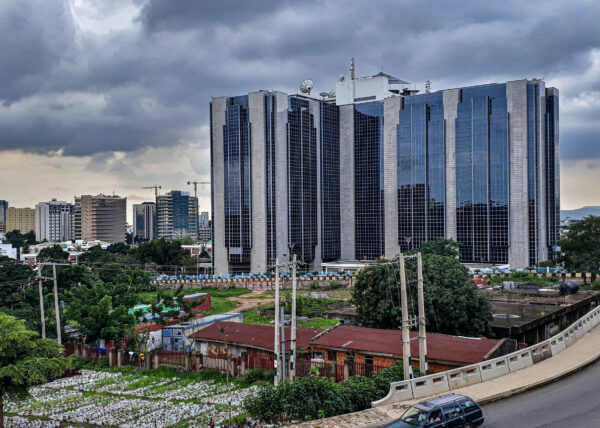
Central Bank of Nigeria Challenges Court Ruling on Union Bank Management
The Central Bank of Nigeria (CBN) is contesting a recent Federal High Court decision that invalidated its dissolution of the board and management of Union Bank of Nigeria, a move made during its intervention in January 2024. The court, presided over by Justice Chukwujekwu Aneke, found the CBN’s actions to be grossly inappropriate and in violation of the Banks and Other Financial Institutions Act, 2020 (BOFIA).
Background on the Dispute
According to court documents, Titan Trust Bank Limited, along with Luxis International DMCC and Magna International DMCC, asserted rights as the ultimate beneficiaries of Union Bank. They opposed the CBN’s decision to dissolve the bank’s board, appoint a new management team, and initiate a recapitalization process. This intervention allegedly diluted their shareholdings and effectively limited their influence in major decisions affecting the bank.
Court’s Ruling and Reinstatement Order
The judge overturned the CBN’s regulatory actions and upheld the petition brought by the involved parties. The ruling mandated the immediate reinstatement of the previous management team, led by Farooq Gumel, and prevented the CBN from imposing further governance measures, such as restructuring share capital or altering ownership arrangements.
Furthermore, the court suspended the ongoing recapitalization process and halted the selection of new investors initiated by the CBN-appointed management.
CBN’s Appeal Against the Court’s Decision
In a notice of appeal dated March 26, shared with media outlets, the CBN contended that the lower court incorrectly ruled it had exceeded its statutory authority in dissolving Union Bank’s board. As the primary regulator of Nigeria’s financial landscape, the CBN argued that its actions fell within its mandate under the CBN Act and BOFIA 2020 (as amended), citing that Article 51 of BOFIA protects it from liability for regulatory decisions.
Implications of the Trial Court’s Findings
The central bank criticized the trial court’s interpretation of laws governing its supervisory powers, asserting that the court unduly limited its authority. The CBN highlighted that Union Bank faced severe financial distress, including an alarming capital shortfall of over 224 billion naira and a high ratio of non-performing loans, thus justifying its decisive intervention to protect the sector’s stability.
Moreover, the trial court dismissed the validity of regulatory measures adopted under the appointed management, citing them as essential administrative actions covered by a presumption of regularity. The ruling also restricted the CBN’s exercise of its fundamental statutory duties, particularly in restructuring share capital.
Legal Arguments and Challenges Ahead
The appeal from the CBN further contends that the court’s findings regarding due process were flawed, as no specific violation of rights was substantiated. The regulator characterized the matter as one of judicial review rather than a fundamental rights dispute, challenging the court’s use of “continuing damages” to support its position. It asserted that the statute of limitations had run out on the claims brought forth by the petitioners.
The CBN criticized the trial court for errant legal principles in granting enforcement orders and misrepresenting the evidentiary landscape, suggesting the conclusion reached was misleading. In its appeal, the CBN argues for the reversal of the initial ruling and the dismissal of the lawsuit that initiated this legal cascade.
Legal Representation and Respondents in the Appeal
In the ongoing appeal, the CBN is represented by an accomplished legal team of Senior Advocates of Nigeria (SAN), led by Yusuf Alim, alongside notable colleagues including Kemi Pinheiro, Tunde Fagbohunlu, Uche Val Obi, and Chukwudi Enebeli. The respondents in this case include Titan Trust Bank Limited, Luxis International DMCC, Magna International DMCC, and several former directors of Union Bank, such as Mr. Bayo Adeleke and Mr. Yetunde Oni.
