


Population growth in U.S. metropolitan areas sharply declined last year, particularly in communities along the U.S.-Mexico border. According to new estimates from the U.S. Census Bureau, counties on Florida’s Gulf Coast also saw a reduction in residents, driven by a series of hurricanes and a significant decrease in immigration.
The Census Bureau’s estimates indicate that overall population growth across metropolitan areas slowed considerably compared to the previous year. In 2024, an influx of immigrants had aided urban recovery from the COVID-19 pandemic, but this year, a notable decline in international migration has been observed. The average growth rate for metropolitan areas fell from 1.1% in 2024 to just 0.6% in 2025.
These figures reflect trends leading up to July 2025, coinciding with President Donald Trump’s second term and the presidential election period. His administration’s policies on immigration and the demographic challenges posed by America’s aging population are contributing factors. Over the past two decades, birth rates have declined in the U.S., making immigration a critical driver of population growth in many areas.
Decline in Border Area Populations
According to the Census Bureau, three metropolitan areas along the U.S.-Mexico border, covering parts of Arizona to Texas, witnessed the most significant declines in population growth in 2025. In Laredo, Texas, the growth rate plummeted from 3.2% to merely 0.2%. Yuma, Arizona, experienced a drop from 3.3% to 1.4%, while El Centro, California, fell into negative growth territory from 1.2% to -0.7%. These areas had benefited from an influx of immigrants in 2024.
This trend underscores the volatility experienced in border regions, where international migration plays a key role in year-to-year population changes, noted Helen Yu, interim director of the Texas Demographic Center.
Impact of Hurricanes
The Gulf Coast counties of Florida faced devastation from two major hurricanes, Helen and Milton, in the fall of 2024, resulting in billions of dollars in damages and significant residential displacement. Pinellas County, home to St. Petersburg, lost around 12,000 residents—the second-highest loss in the nation, following Los Angeles County. Pinellas has recorded more deaths than births, making it heavily reliant on immigration for its population growth.
Furthermore, Taylor County, a small community in Florida’s Big Bend region, recorded the sharpest growth decline in the U.S. last year at -2.2%. The effects of hurricane migration extended beyond Florida; over 2,000 residents from a county in North Carolina’s Blue Ridge Mountains were evacuated due to damage from remnants of Hurricane Helen.
Changing Demographics of Growth
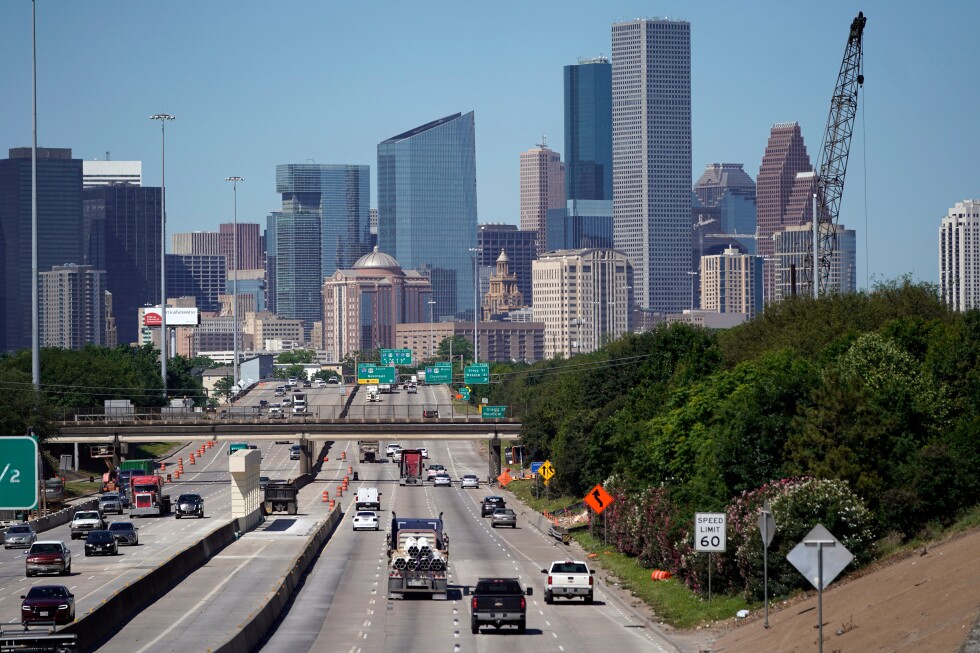
The New York metropolitan area, which had previously enjoyed the highest growth rate in 2024, fell to 13th place in 2025 as immigration declined. In contrast, the Houston and Dallas-Fort Worth metropolitan areas maintained their positions as growth leaders, followed by other areas like Atlanta, Phoenix, and Charlotte, North Carolina.
Several medium-sized metros, particularly in Florida and South Carolina, recorded the largest growth rates. Ocala, Florida, known for its horse ranches, topped the list with a growth rate of 3.4%. Myrtle Beach, South Carolina, and Lakeland, Florida, also saw significant increases, highlighting the changing landscape of population distribution.
Surge in Suburban Growth
Far-flung suburbs have emerged as prime destinations for individuals moving from other regions of the United States. Leading the trend are Collin County, Texas (a Dallas suburb), Montgomery County, Texas (a Houston suburb), and Pinal County, Arizona (near Phoenix), along with Pasco and Polk counties outside of Tampa. The Census Bureau attributes this suburban growth to housing costs in urban areas and the rise of remote work, which allows people to maintain jobs while living further from city centers.
Birth Trends Impacting Demographics
While New York faced a net loss of residents, natural increases (births exceeding deaths) still contributed over 32,000 additional residents to the metropolitan area, making it the leader in this category, alongside the Dallas-Fort Worth and Houston areas. Conversely, cities like Pittsburgh, Pennsylvania, and several communities in Florida with older populations, including Sarasota and Daytona Beach, reported more deaths than births. Texas metro areas thrived in natural growth thanks to their relatively younger populations and strong immigration patterns.
