


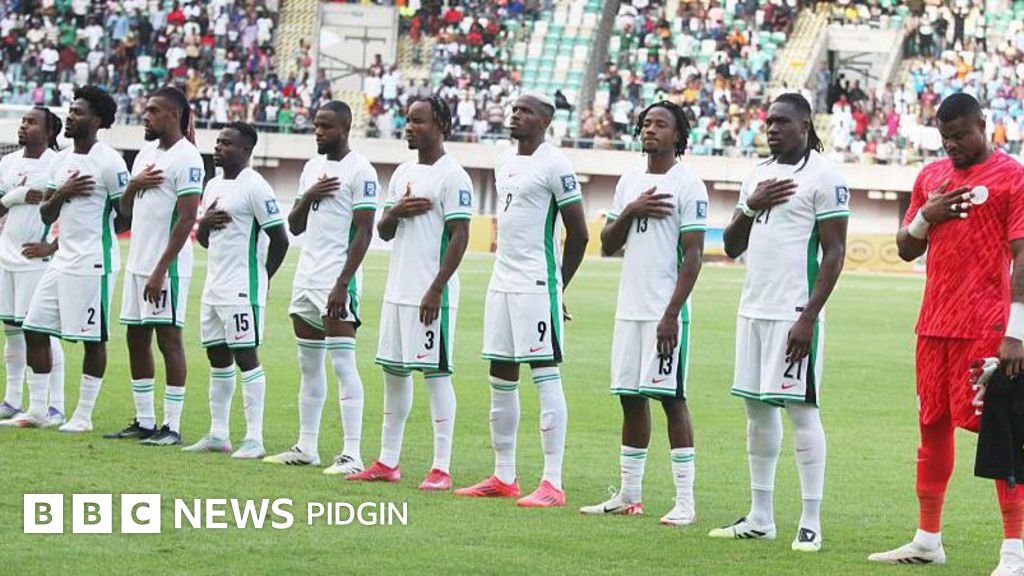
The Challenge for Nigeria’s Super Eagles
As the prospect of Nigeria’s participation in the 2026 FIFA World Cup dims, fans are grappling with the reality that a miracle is needed for the Super Eagles to qualify. With a number of crucial matches remaining, many Nigerians, both at home and abroad, remain hopeful for a turnaround that could see their national team secure a spot in the tournament.
In the latest standings, Nigeria finds itself third in Group C, trailing behind South Africa and Rwanda despite having the same number of points. The team faces an uphill battle, needing to secure victory in its final matches by a significant margin while relying on other teams to falter. This situation mirrors their previous absence from the 2022 World Cup, leaving fans disheartened yet hopeful for the future.
Reasons Behind the Super Eagles’ Struggles
The question of why the Super Eagles have faced ongoing challenges in international competitions remains a topic of much discussion. The last time Nigeria won a major trophy was in 2013, when they lifted the African Cup of Nations title. Since then, the team has struggled to replicate such success, with a notable absence of championship victories. The gap between their past triumphs and current performances raises eyebrows among fans and analysts alike.
Despite having some of Africa’s most talented players, such as Victor Osimhen and Ademola Lookman, who have excelled in European leagues, questions remain about their capability to perform consistently on the international stage. The team’s difficulties in achieving results in crucial matches, including losses to competitors such as Ghana, reflect deeper issues within the team’s structure and strategy that need urgent attention.
Finding a Sustainable Solution
Addressing the underlying issues plaguing Nigerian football requires more than just immediate fixes. Experts suggest that a shift in coaching philosophy is essential for the Super Eagles to thrive in future competitions. Some argue for the development of local coaches who could guide the national team with an understanding of the unique challenges they face on the field.
There is a consensus that investing in training and education for coaches could dramatically improve the performance of the national team. Many advocates call for the Nigeria Football Federation (NFF) to prioritize long-term planning, emphasizing the significance of well-structured programs that focus not just on winning but on sustainable growth within the sport.
The Promise of African Teams
Looking beyond Nigeria, other African teams are making strides towards qualification for the World Cup. Several nations, including Senegal, Morocco, and even Burkina Faso, have established themselves as formidable contenders in their respective groups. Their performances indicate a growing competitiveness among African teams, signifying a shift in the football landscape.
The group stages of the qualifiers show a range of possibilities, with teams like Ivory Coast and Algeria also in the hunt. As preparation for the World Cup intensifies, the success of neighboring countries may serve as inspiration for Nigeria to revamp its approach and reclaim its status within African football.
