


Chelsea Football Club has become a paradox where expenses are soaring, yet the value of performance is declining. This financial predicament, compounded by the hiring of less experienced head coaches, threatens teams’ prospects for Champions League qualification.
The recent 3-0 defeat to Everton represents Chelsea’s fourth consecutive loss across all competitions and marks their third match without scoring. Despite these setbacks, they remain just one point shy of fifth-placed Liverpool in the race for a Champions League spot—a tournament that seems increasingly within reach, as the Premier League continues to excel in UEFA standings.
Chelsea’s Struggles Under Rosenior
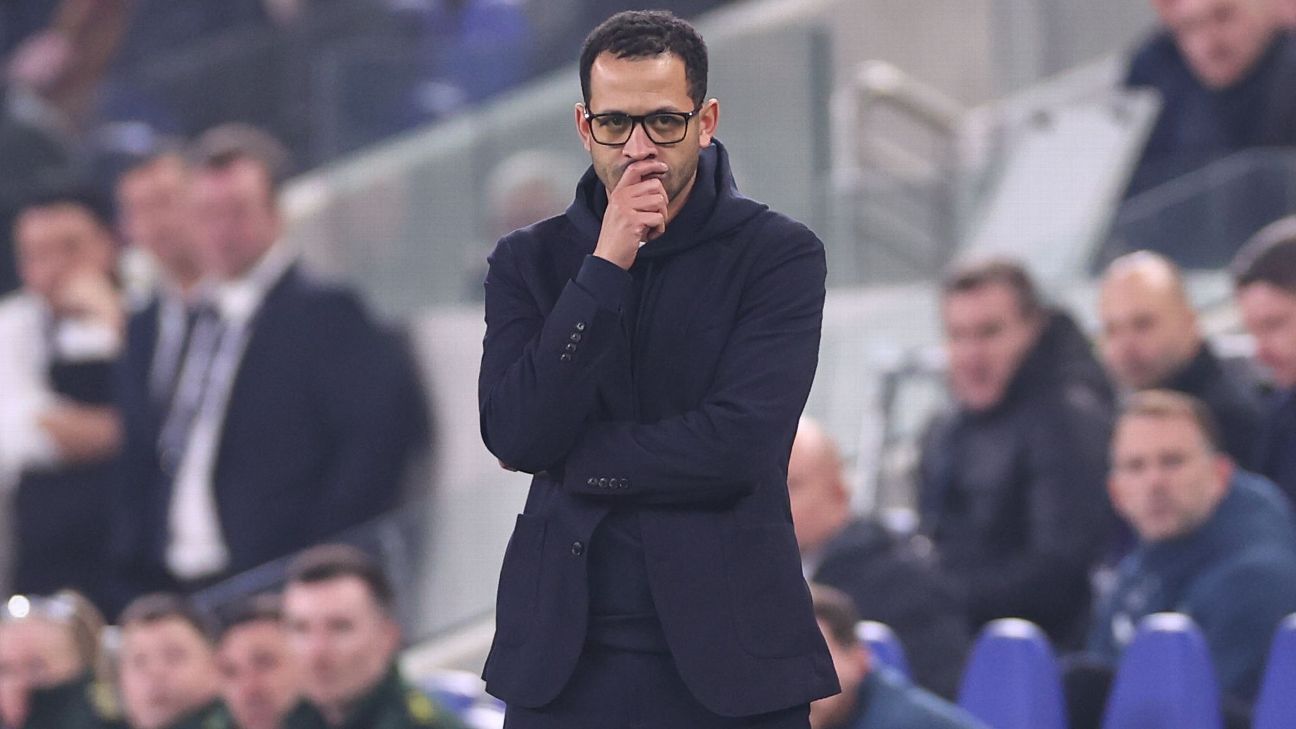
Under the stewardship of Liam Rosenior, who took over from the dismissed Enzo Maresca after his tenure at Chelsea’s sister club Strasbourg, the team has claimed only three victories in their last twelve encounters. This dismal performance has become overshadowed by distractions off the pitch, complicating the narrative of the club.
Compounding these issues, Chelsea has recently faced a Premier League-record £10.75 million fine and a transfer ban due to improper payments during Roman Abramovich’s ownership. Additionally, Rosenior’s missteps, including awkward remarks and questionable decisions, have added to the club’s challenges. A particularly notable incident involved handing winger Alejandro Garnacho a tactical note with mere minutes left in a match against Paris Saint-Germain, while he later defended the players’ actions prior to a home defeat against Newcastle United by suggesting they were showing “respect for the ball.”
The distractions surrounding Chelsea have made it easy to overlook their on-pitch shortcomings. The team currently plays ineffectively, exhibiting a lack of balance and experience, while being led by Rosenior, whose promotion seems ill-timed.
Discontent Among Supporters
At just 41 years old, Rosenior finds himself under growing scrutiny from frustrated fans. However, attributing Chelsea’s woes solely to him would be misguided. His arrival is emblematic of the overarching strategy employed by club owners Clear Lake Capital and Todd Boley, who have opted to invest heavily in some areas while neglecting crucial positions like goalkeeper and head coach.
Chelsea has pursued high-priced young talent, exemplified by the £48.5 million acquisition of Borussia Dortmund’s 21-year-old winger Jamie Gittens and the £40 million signing of Manchester United’s Alejandro Garnacho. Yet, despite these big-ticket purchases, they overlooked a statistically sound goalkeeper. AC Milan’s Mike Maignan—a proven talent—was a missed opportunity due to the perceived prohibitive transfer fee of £21 million.
As a result, Chelsea’s goalkeeping responsibilities have fallen to Roberto Sanchez and Filip Jorgensen, neither of whom has proven to be reliable in critical moments. This season has already seen both players make significant errors, including Sanchez’s blunder that contributed to a goal in the recent match against Everton.
A Flawed Approach to Management
Chelsea’s strategy raises questions about their ability to manage talent effectively. Since the acquisition of the club by Clear Lake, around £2 billion has been spent on player signings, yet they are still without a seasoned goalkeeper. Despite maintaining a pool of talented players such as Cole Palmer, Moises Caicedo, and João Pedro, Rosenior is stuck managing a squad that lacks the experience necessary for competing at the highest level.
Rosenior has been acknowledged as a promising young coach, earning praise from figures like Wayne Rooney during their time together at Derby County. However, the leap from managing Strasbourg to leading Chelsea seems overwhelmingly steep. The current club dynamic minimizes the coach’s autonomy, reducing him to just one element in a complex hierarchy that includes multiple sporting directors and management teams.
For a club with Chelsea’s global stature, the head coach role demands more than tactical expertise—it requires charisma and the ability to handle the relentless pressures from fans and media. Unfortunately, Rosenior’s relative inexperience has led to miscommunications that further complicate the challenges facing the club.
In contrast to Roman Abramovich’s era, where big names like José Mourinho and Carlo Ancelotti dominated the sidelines, the current Chelsea leadership appears to prefer a different model. By opting for a younger, less experienced coach while skimping on vital positions like goalkeeper, they are compromising immediate performance for potential future benefits.
Ultimately, this dual strategy leaves both Rosenior and the team precariously positioned, struggling to find their footing amidst conflicting priorities and unrealistic expectations.
