


Call for Enhanced Inclusion and Government Support for Autism Care in Nigeria
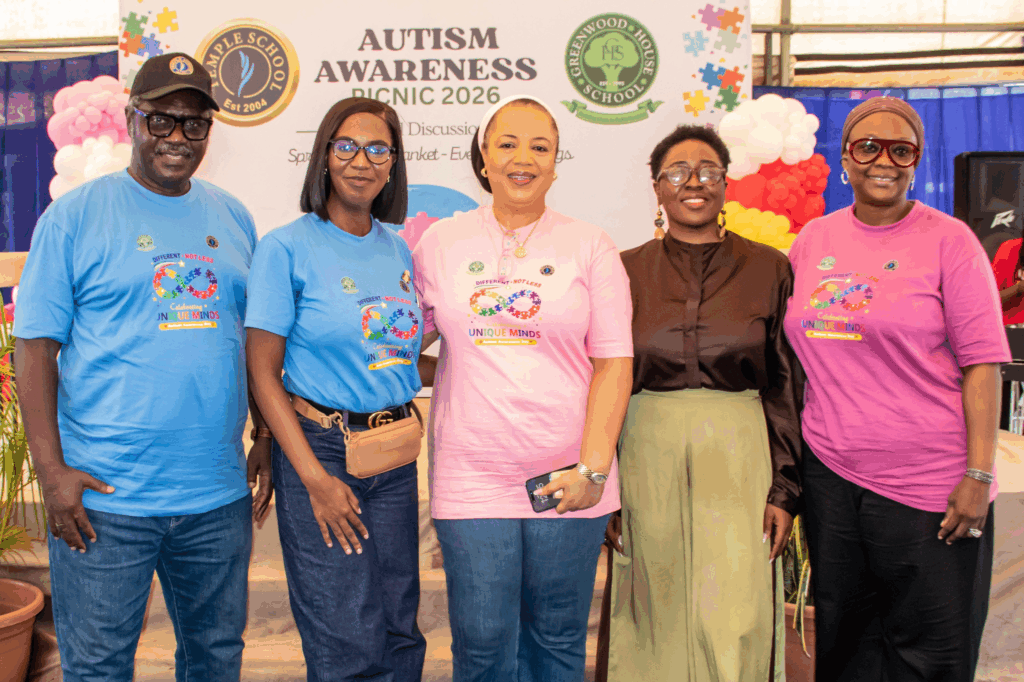
In Nigeria, educators and autism care professionals are advocating for increased inclusion of children on the autism spectrum and greater government assistance to handle the rising costs of care. This appeal was made during an autism awareness picnic on April 4 at Temple School Field in Lagos, where stakeholders, including educators, health practitioners, parents, and advocates, emphasized the urgent need for public acceptance and robust policy support for individuals with autism.
Embracing Diversity in Education
Oseri Owei, Head of Outstanding Learners at Temple School and Greenwood House School, underscored the necessity of making inclusion a societal norm. She insisted that all children, irrespective of their abilities, should have equal opportunities. Owei articulated, “Everyone is different, and we must embrace this diversity. Autism does not exclude anyone from being part of a community.”
A Holistic Approach to Learning
She further contended that educational institutions must cater to all types of learners rather than merely celebrating academic excellence. “Many schools favor the brightest students because they enhance the institution’s reputation with top grades. However, genuine value in education lies in recognizing and uplifting every child,” Owei noted, emphasizing the school’s commitment to inclusivity.
Raising Public Awareness
Owei explained that the awareness initiative aims to engage the broader community, stressing the importance of educating neurotypical individuals about autism and the need for its integration into society. “This is about fostering community understanding so that everyone can appreciate and accept differences,” she added.
Financial Relief for Families
Dr. Olufowobi Gbadegbo, a psychiatrist from Zelenity Wellness, advocated for enhanced social support systems and government subsidies to alleviate the financial burden on families. “Caring for children and adults with autism requires significant financial investment. Establishing social networks and providing financial assistance to schools that serve this community would be immensely beneficial,” Gbadegbo stated.
Addressing Training and Funding Gaps
In addition, Dr. Gbadegbo called on the government to extend considerations currently allotted to other serious medical conditions to autism, emphasizing the need for funding across various sectors, including education, housing, and employment. He acknowledged the progress made in raising awareness about autism but highlighted that more work is necessary. “While conversations about autism are becoming more common, we still face considerable challenges,” he remarked.
Challenges in Professional Development and Awareness
Damilola Adedeji, a psychotherapist and founder of The Birthing Company and Kids Life Club, echoed the concerns regarding financial strain on families. She urged the government to implement targeted grants to support diagnosed children, which could significantly alleviate the burdens parents endure. “The current costs associated with care are prohibitive. A subsidy for families with diagnosed children would be transformative,” Adedeji urged. Moreover, she highlighted the scarcity of trained professionals in the field, stating, “We need to focus on training more specialists to ensure that these children receive the support they need.
Promoting Inclusion and Understanding
Similarly, Shirley Okaledia, founder of Temple School and director of Greenwood House School, encouraged Nigerians to confront prejudice and foster inclusivity. “We must stop blaming these children and start accepting them for their uniqueness. Understanding and support are crucial,” Okaledia advised. She acknowledged that while awareness efforts have advanced, ongoing engagement with schools, governmental bodies, and communities is vital. “We are progressing, but there is still much work to be done in sensitizing the public about how to best support children with special needs,” she added.
Stakeholders unanimously agree that enhancing awareness, improving access to specialized care, and establishing financial support systems are essential for creating an inclusive environment for children on the autism spectrum in Nigeria.
