


Surveillance Technology Expands in Africa Amid Digital Growth
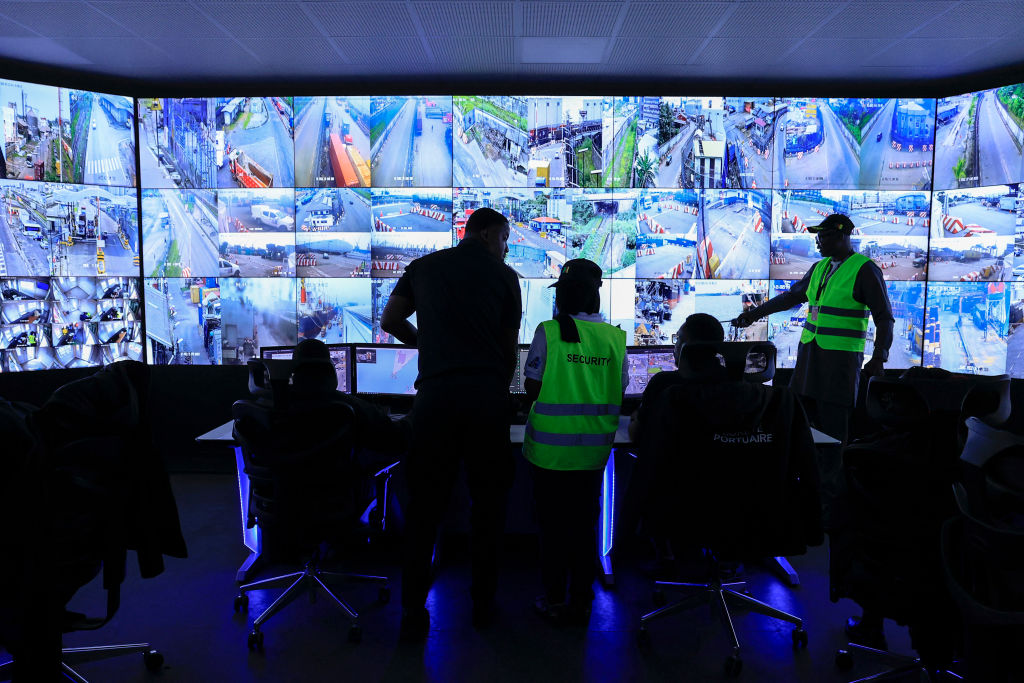
A burgeoning digital landscape in Africa is accompanied by a troubling increase in mass surveillance, utilizing advanced artificial intelligence. As Chinese-manufactured surveillance technology proliferates across the continent, experts express grave concerns about its implications for citizens’ rights.
The Mechanics of Invasive Surveillance
Heidi Swart, an independent researcher and journalist, highlighted the capabilities of modern surveillance systems in an interview with ADF. She explained, “We have very sophisticated, high-resolution, internet-based cameras that film 24/7 and can be enabled with facial recognition.” The integration of these cameras with population registration databases allows authorities to track individuals seamlessly over time, creating detailed maps of their movements.
Massive Investments in Surveillance Infrastructure
At least eleven African governments have invested over $2 billion in Chinese surveillance technology, according to a recent report from the Institute for Development Studies. These systems often include closed-circuit television outfitted with AI-powered facial recognition and vehicle tracking capabilities. While officials promote these technologies as solutions for crime reduction and urban modernization, experts caution that such narratives are heavily embellished.
Surveillance Systems and Their Dark Implications
Researchers Wairagala Wakabi and Tony Roberts, the co-authors of the report, indicate that there is no empirical evidence supporting the effectiveness of “smart city” systems in decreasing crime rates. Instead, they argue that this rapid deployment of surveillance technology has empowered governments to monitor dissenting voices, including journalists and political activists. Wakabi noted that this extensive surveillance “is not lawful, necessary or proportionate” to maintaining public safety, illustrating a troubling trend toward privacy violations.
Significant Spending on Surveillance Initiatives
Nigeria leads in digital infrastructure spending, having allocated $470 million for 10,000 smart cameras capable of recognizing faces and license plates. Egypt, Algeria, and Uganda follow with thousands of similar units. The average investment across these eleven nations is approximately $240 million, primarily funded by loans from Chinese financial institutions.
The Threat to Civil Liberties
A coalition of rights organizations, civil society advocates, and journalism groups warns that the widespread adoption of surveillance technology could infringe upon rights related to privacy, free speech, and assembly. A January report from Penn Plus Bytes, a Ghana-based government accountability group, noted that technologies such as facial recognition and predictive analytics, while claimed to enhance security, could have detrimental effects on press freedom. Journalists may find themselves tracked, monitored, and at risk of exposure, which can stifle investigative reporting in nations lacking robust data protection laws.
Rallying for Oversight and Transparency
According to Admire Mare from the University of Johannesburg, authoritarian regimes in Africa have become increasingly adept at leveraging digital infrastructure against their citizens through internet disruptions, disinformation campaigns, and widespread surveillance. He advocates for independent oversight and accountability for surveillance systems, emphasizing the necessity of transparency in technology’s role in society.
Public Acceptance and Concerns
Swart, a resident of a major South African metropolis, observes increasing acceptance of surveillance cameras in urban spaces. “There seems to be a resignation to it,” she noted, expressing her concern over public naivety regarding the potential implications of such systems. She warned that citizens may underestimate how quickly a seemingly democratic government could misuse these technologies to suppress dissent and persecute individuals.
