


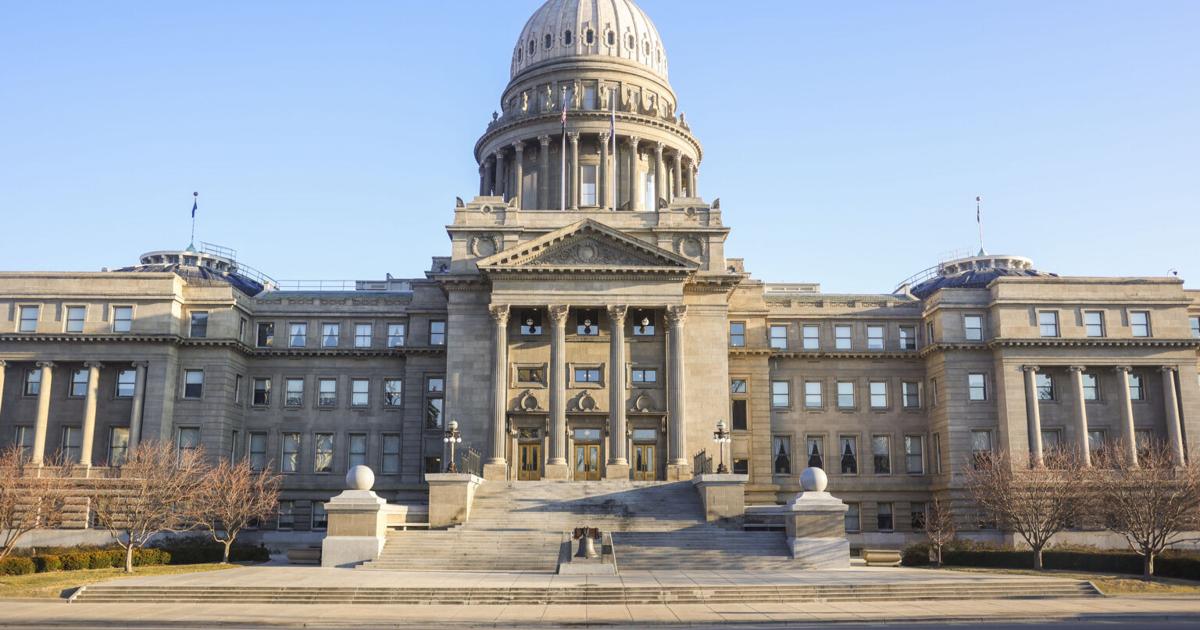
Idaho Legislature Faces Stalemate on Immigration Bills
On the final day of the 2026 Idaho Legislature, a Republican lawmaker from Fernwood expressed frustration over the failure of the Republican supermajority to advance any immigration-related bills this session. This discontent echoes broader sentiments within the party as legislative action continues to stall.
Repeated Efforts Yield Little Progress on Immigration Legislation
Today’s vote marked the third attempt to mandate local law enforcement agencies to establish agreements with federal immigration authorities. This initiative is part of over 20 immigration proposals that have failed to gain traction thus far. Representative Dale Hawkins voiced his bafflement on the House floor, stating, “We’re a conservative state and we can’t seem to make any headway on this issue. And to be honest with you guys, I don’t get it.”
Republican Division Over Immigration Initiatives
The Idaho Republican Party is grappling with internal divisions regarding immigration policy. Some members advocate for stricter state-level measures to enforce federal law, while others argue that it is a federal issue. Concerns from law enforcement agencies and the potential disruption to industries dependent on undocumented workers play significant roles in this debate, according to insiders.
Increased Pressure from the Federal Government
Pressure for action may be mounting. Nampa Republican Senator Brian Rennie remarked that federal authorities are closely monitoring Idaho’s legislative actions. “The White House is looking at Idaho,” he stated, referencing communication from advisors indicating dissatisfaction with the state’s inaction. This raises the stakes for Idaho lawmakers as they navigate their immigration stances.
The Landscape of Proposed Immigration Legislation
This year, a total of 14 immigration-related bills, including various amendments, were introduced. These proposals encompass measures such as tracking the immigration status of all public school students and establishing new state-level offenses for employing unauthorized individuals. Notably, none of these measures have progressed to the governor’s desk for approval.
Influence of Agriculture on Immigration Discourse
Experts suggest that Idaho’s strong agricultural sector shapes the immigration policy discussion. Jaclyn Kettler, a political science professor at Boise State University, notes that the reliance of these industries on immigrant labor complicates perspectives among Idaho Republicans. Rennie pointed out a rift among party members, distinguishing between factions aligned with the so-called “MAGA” movement and those categorized as moderate or mainstream.
Future Elections Could Alter Immigration Legislation Direction
As the debate on immigration continues, the outcomes of the upcoming May primary elections may significantly influence future proposals. Both Redman and Rennie highlighted that the political landscape is likely to shift based on election results. “This problem is not going away. It’s going to come back next year,” Rennie anticipated, stressing the importance of the committee assignments and election outcomes in shaping legislative discussions moving forward.
Longstanding Challenges Persist in Immigration Policy Discussions
The immigration debate in Idaho is not a new phenomenon. Redman emphasized his ongoing efforts over the past three years to introduce a bill mandating the use of E-Verify, a federal tool to confirm workers’ immigration statuses. The current legislative session marks a slight shift, as his bill finally received a hearing in the House. Still, it faced obstacles in the Senate, underscoring persistent challenges in advancing immigration reform within the state.
