


Costa Rica to Accept Weekly Deportations from the U.S.
The Costa Rican government has reached an agreement to accept up to 25 deportable immigrants each week from the United States. This initiative represents a key aspect in the Trump administration’s ongoing strategy to deport significant numbers of individuals to “third countries.”
Strengthening Ties with U.S. Immigration Policies
This new arrangement illustrates Costa Rica’s intention to enhance collaboration with President Donald Trump’s administration. The U.S. is actively working to involve other Central American nations in hosting deportees who are being held by American immigration authorities.
Humanitarian Cooperation Amidst Immigration Challenges
Public Security Minister Mario Zamora emphasized the necessity of this cooperation, stating that Costa Rica feels a moral obligation to assist amid the U.S. immigration crisis. “At a time when the United States and its immigration authorities need our compassion, we are responding accordingly,” he remarked in a video statement.
Terms of the Deportation Agreement
Under the agreement, deported individuals will receive shelter and food in Costa Rica, funded by U.S. financial assistance. The Costa Rican authorities will collaborate with U.S. officials to manage the required immigration processes for these individuals to return to their home countries.
Criteria for Accepted Deportees
Zamora clarified that the agreement is voluntary and provides Costa Rica with discretion over the nationality and number of deportees it will accept. Local reports indicate that only migrants from outside Latin America or from nations that refuse to accept their citizens will be welcomed, with an emphasis on individuals without criminal records.
Logistics and Oversight of Deportation Process
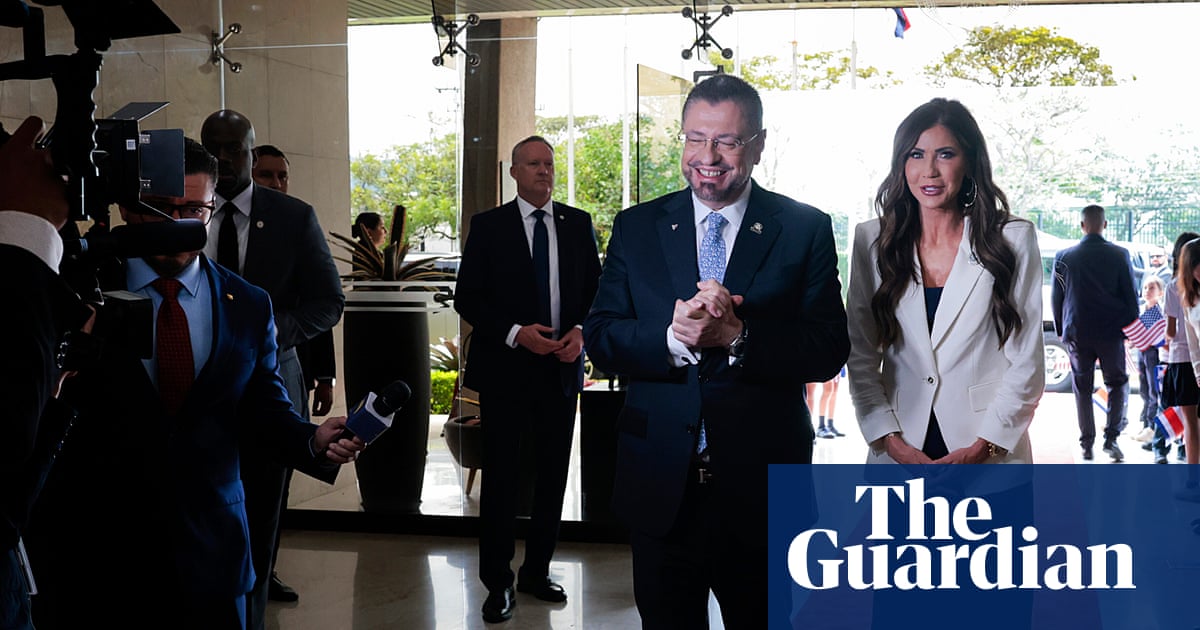
The U.S. government is obligated to notify Costa Rican authorities 48 hours prior to any deportation flight, ensuring that these individuals are granted limited legal status on humanitarian grounds upon arrival. This arrangement was formalized during a visit by Kristi Noem, the former Secretary of Homeland Security, who is currently overseeing the Shield of the Americas initiative aimed at dismantling criminal cartels in the region.
Concerns Over Human Rights and Financial Implications
This agreement, however, has raised eyebrows among lawmakers in Costa Rica as President Trump’s expanded deportation policies have faced heavy criticism from Congressional Democrats. A report released by Senate Democratic members cautions that these secret deportation arrangements not only jeopardize U.S. interests but also incur substantial costs to taxpayers. They highlighted that the Trump administration spent approximately $40 million for deportations to third countries without tracking the outcomes for those individuals.
Reactions and Future Implications of the Agreement
Lawmakers and human rights advocates are expressing concerns about the implications of the agreement, particularly during a delicate transition as Laura Fernández prepares to succeed Rodrigo Chávez as Costa Rica’s next president. Critics argue that the normalization of such deportation agreements, without public discourse, could undermine the country’s historic commitment to human dignity.
