


Oil Prices Rise Amid Ceasefire Talks Between the US and Iran
Oil prices have experienced an uptick as the United States and Iran move towards establishing a framework for a ceasefire. However, Tehran has recently dismissed the proposed plan as a deadline set by President Trump looms on the horizon.
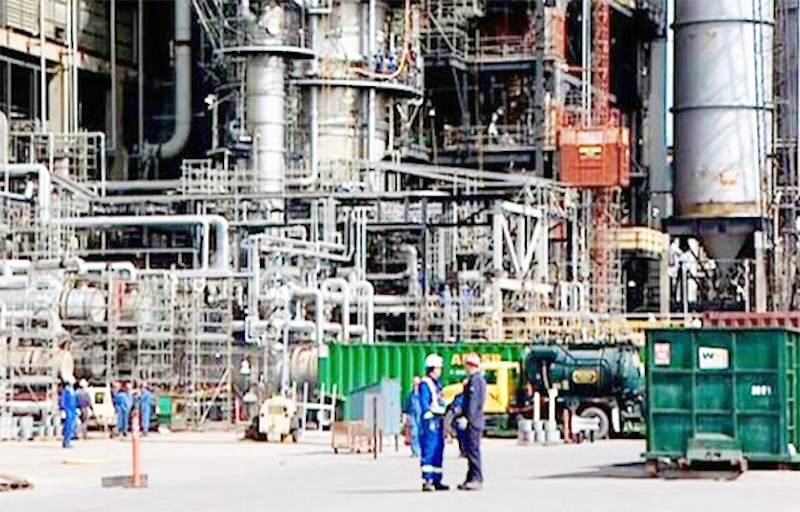
Dangote Refinery Increases Production Amid Regional Supply Shortages
In a significant development, Africa’s largest refinery, operated by Dangote Industries, is ramping up its exports of gasoline and urea to neighboring African nations grappling with supply disruptions stemming from the ongoing conflict in Iran. Aliko Dangote, the owner of the refinery, announced that production has reached its peak capacity of 650,000 barrels per day, which is crucial for mitigating the effects of the crisis in Nigeria and across the continent.
Support to West and Central Africa Amid Supply Chain Challenges
During a recent tour of the refinery situated near Lagos, Dangote reassured stakeholders that the facility is equipped to meet the fuel demands of Nigeria and many parts of West, Central, and East Africa. “We have the capacity to supply,” he stated, as reports highlighted the refinery’s dispatch of approximately 17 cargoes of gasoline to various African markets. Similarly, there has been a marked increase in urea fertilizer exports as buyers turn to alternative suppliers.
Record Fuel Prices Prompt Calls for Local Currency Transactions
Despite the refinery’s maximum output, fuel prices in oil-rich Nigeria have soared to unprecedented levels, unable to mitigate the pressure created by rising global oil prices. Dangote emphasized the need for refineries to secure more crude oil shipments priced in local currency, a move aimed at alleviating costs for consumers.
Increased Crude Oil Allocations by NNPC
Recent reports revealed that the Nigeria National Petroleum Corporation (NNPC) has allocated an increased number of cargoes to Dangote’s refinery, rising from five to seven for the month of May. This surge in allocation is part of broader efforts to stabilize fuel availability amidst market volatility.
Investors React to Oil Market Uncertainties
On the trading front, oil prices have seen fluctuations with Brent crude futures edging up 0.1% to $109.13 per barrel, while West Texas Intermediate (WTI) crude futures increased by 0.69%, or 77 cents, to $112.31 per barrel. This slight rise reflects investor caution as they closely monitor ongoing negotiations between the United States and Iran, coupled with concerns over the potential for sustained supply disruptions.
Iran’s Stance on the Strait of Hormuz and Regional Implications
As discussions progress, Iran has outright rejected a 45-day ceasefire proposal, insisting instead on a permanent resolution to hostilities. The Strait of Hormuz, a vital passage for global oil transport, remains largely obstructed due to Iranian actions against vessels since the conflict commenced on February 28. Despite this, shipping data indicates that several vessels have successfully navigated through the strait, suggesting a selective policy by Iran regarding which ships are allowed passage.
Future of Diplomacy and Economic Impact
As diplomatic efforts continue, the situation remains fluid. Some regional officials suggest that discussions have not yet faltered, signaling a cautious optimism for resolution. Meanwhile, President Trump has intensified his rhetoric, hinting at more serious consequences if a deal with Iran is not reached quickly, further adding to the uncertainties that can impact global oil markets and economic stability.
