


Legal Scholar Defends INEC Chairman Against Allegations
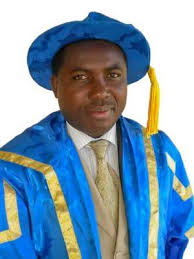
Dr. John B. Marwell, a distinguished alumnus of the University of Jos and a prominent legal scholar, has publicly defended Professor Joash Ampitane (SAN), the Chairman of the Independent National Electoral Commission (INEC). This defense comes in light of persistent criticism from former Minister of Youth and Sports, Hon. Solomon Dalung.
In a detailed statement, Marwell, who graduated from the University of Jos in 2009 with a law degree, dismissed the accusations aimed at Professor Ampitane as “false, misleading and unacceptable.” He emphasized that these allegations seemed to lack any substantive basis.
Holding multiple law degrees, including a doctorate from the same institution, Marwell felt compelled to intervene in the ongoing debate. He aimed to clarify misconceptions stemming from his close-knit academic ties, first as a student and later as a lecturer under Ampitane. His insights into the situation are grounded in firsthand experience.
While recognizing that both Ampitane and Dalung have made significant contributions to the faculty, Marwell asserted that his defense is based on factual evidence rather than personal sentiments or shared backgrounds. He recalled his appreciation for Ampitane’s mentorship, particularly as a teacher of evidence law, and highlighted their collaborative relationship over the span of more than a decade.
Marwell also took a moment to reflect on Dalung’s tenure at the university, noting his distinctive teaching style prior to his entry into politics and subsequent appointment as a federal minister. This acknowledgment underscores the caliber of professionals produced by the University of Jos’s law program.
Addressing the central issue at hand, Marwell refuted claims regarding any academic misconduct attributed to Ampitane during the 2009 academic conference. He clarified that while issues related to results manipulation did arise, these were due to administrative mishaps involving non-academic staff rather than any fault of Ampitane’s. He pointed out that discrepancies were identified through an internal investigation, which ultimately led to the rectification of misplaced grades under Ampitane’s guidance as dean, albeit resulting in delayed graduations for some students.
Marwell characterized this corrective action as a testament to the integrity of the institution rather than evidence of wrongdoing. He also addressed the allegations concerning the current Deputy Inspector General of Police, asserting that no individual from his class emerged with questionable grades in 2009.
In response to claims that Ampitane negatively impacted Dalung’s academic journey, Marwell highlighted discrepancies in the timeline, indicating that Ampitane was not serving as dean during Dalung’s graduate studies. He emphasized that academic decisions at the university are collaborative, which minimizes the likelihood of any one official being able to target individual students.
While honoring both individuals for their achievements, Marwell cautioned against the politicization of sensitive institutional matters, especially during politically charged periods. He urged public figures to exercise caution in their public statements, warning that unchecked assertions could mislead audiences and erode trust in vital state institutions.
Concluding his commentary, Marwell reiterated that Professor Ampitane’s professional history reflects a commitment to integrity and ethical conduct. He encouraged the public to base their opinions on verified facts rather than politically motivated narratives, advocating for a more informed dialogue.
