


Surging Detentions of Noncriminal Immigrants in the U.S.
The American Immigration Council reports an astonishing 2,450% increase in the detention of noncitizen immigrants without criminal records during the first year of Trump’s second administration. This trend raises significant concerns as many of those detained possess deep connections to their communities and families in the United States, often facing deportation for the first time in decades.
South Florida Immigrant Families in Crisis
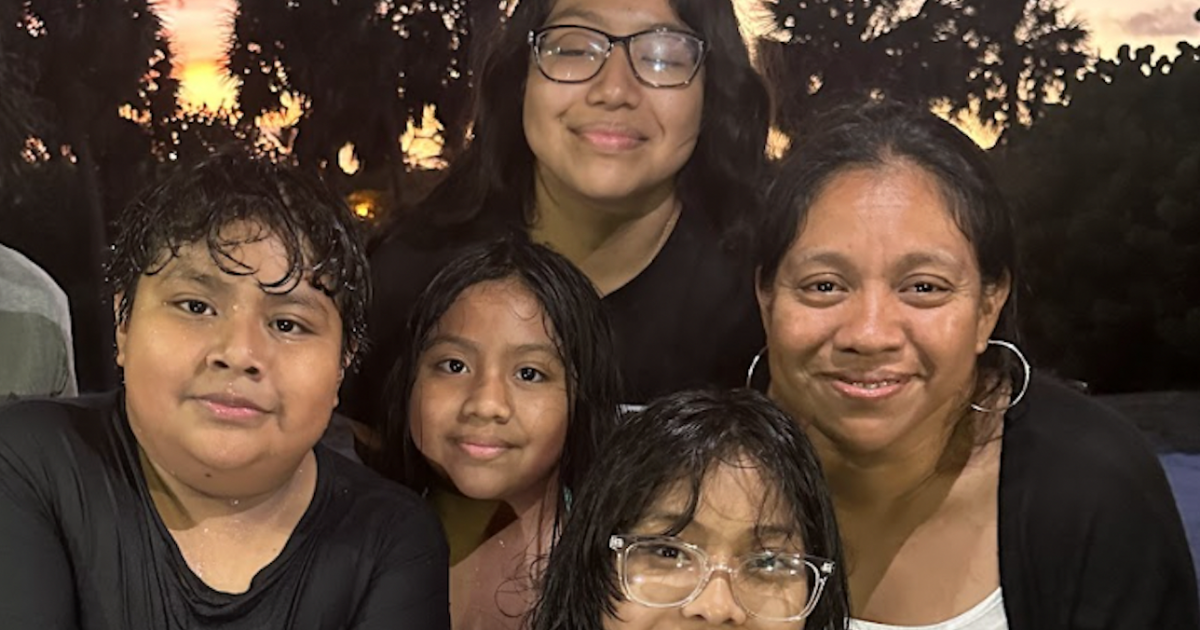
The immigrant community in South Florida is particularly affected, with families like that of Olga Perez bearing the brunt of these policies. Olga’s children and supporters regularly congregate at the Guatemalan Maya Center in Lake Worth Beach to pray for her release, highlighting the emotional toll this situation has created.
Detention and its Impact on Families
On the eve of Thanksgiving, Florida Highway Patrol officers apprehended Olga while she was at work, handcuffing her in front of her children. Following her arrest, she was taken into federal Immigration and Customs Enforcement (ICE) custody and later transferred to an ICE detention center in Eloy, Arizona, where she awaits her deportation hearing.
The Community’s Outcry
At a rally this month, Olga’s daughter Eliza Perez expressed her frustration, questioning why hardworking individuals like her mother—who pays taxes and supports the community—are being targeted. Eliza, along with her three younger siblings, are all native-born U.S. citizens, while their mother has lived in the United States for three decades, fleeing violence in Guatemala.
Profiles of the Detained
Despite having no criminal record, Olga is now emblematic of a troubling trend: more than half of immigrants deported under the Trump administration had no prior convictions. Mariana Blanco, deputy executive director of the Guatemalan Maya Center, noted that the focus appears to have shifted from targeting criminals to deporting individuals who have contributed positively to society for years.
Concerns Over Safety and Security
The notion of deportation raises serious concerns for families like the Pérezes, especially given the dangerous conditions in Guatemala, including a 270% rise in gang-related murders last year. Eliza worried about her mother’s safety should she be sent back to a place she hasn’t seen in 30 years, fearing that people might assume Olga is wealthy and become targets of crime.
Challenges in Reintegration Efforts
Amid these deportations, the situation in Guatemala is complicated. President Bernardo Arévalo aims to implement more progressive policies for reintegrating deportees, yet underfunding poses significant obstacles. Eduardo Gamarra, a political science expert, emphasizes that the lack of financial support from the United States has left little more than hope for many returning migrants.
Wider Implications for Undocumented Immigrants
The story of Armando, who was deported to Mexico despite having lived in the U.S. since he was seven, illustrates the broader implications of current immigration policies. With no criminal background and a record of tax contributions, he lamented the difficulties faced by undocumented workers in maintaining economic stability. Deregulation in construction, a sector heavily reliant on immigrant workers, raises critical questions about the future viability of the industry in the absence of these jobholders.
