


Legal Challenges to Migration Policy Affecting Vulnerable Children
Last September, the Department of Homeland Security began informing unaccompanied migrant children that they could face voluntary deportation or extended detention. This guidance raised significant concerns about the pressure it placed on vulnerable minors.
In a ruling handed down by a federal judge in Los Angeles on Monday, the court ordered the government to cease using what it deemed “blatantly coercive” language. The decision declared that the new recommendations violated a longstanding court order, which prohibits immigration officials from coercing unaccompanied children into abandoning their asylum claims in the United States.
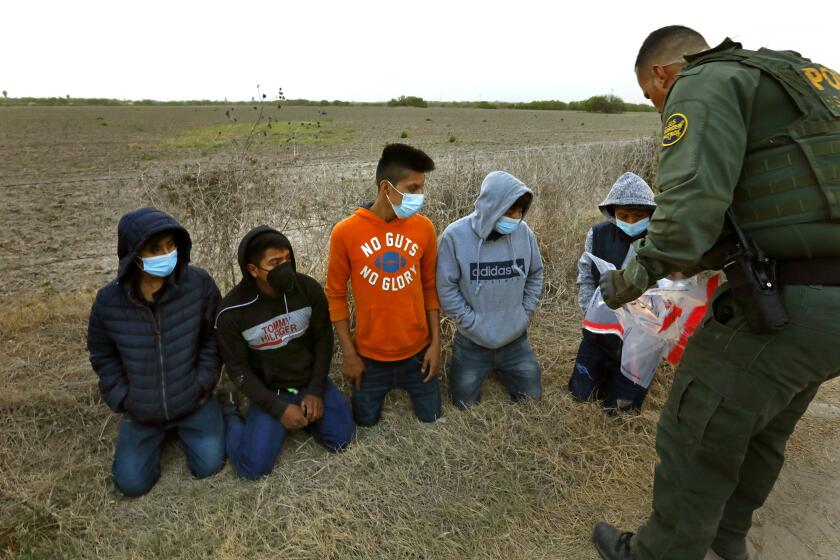
According to court documents, the controversial guidance was directed at recently detained immigrant minors—who by definition are without a parent or legal guardian in the country. The children were informed they could opt to return to their home countries without fear of administrative penalties and were encouraged to pursue visa applications.
However, the message also included a stark warning: those wishing to seek a hearing with an immigration judge or expressing fears about leaving the U.S. could face prolonged detention. Minors who turned 18 while in custody were told they would be transferred to Immigration and Customs Enforcement, paving the way for their deportation.
These communications were primarily delivered verbally to the public but captured in court documents by attorneys representing immigrant minors, with the government raising no objections to their accuracy. One advisory included a specific warning regarding sponsors without legal immigration status, stating that they could face arrest and prosecution for aiding the minors’ illegal immigration.
U.S. District Judge Michael W. Fitzgerald highlighted that such threats echoed past coercive tactics used against immigrants, referencing the testimony of José Antonio Pérez Funes, a plaintiff from the 1980s who had similarly faced pressure to self-deport. In 1985, Pérez Funes testified in court that he had agreed to leave the U.S. after being told he could face long-term detention.
Fitzgerald noted that Pérez Funes’ case was pivotal in establishing due process protections for immigrant children, ensuring their right to communicate with relatives and legal counsel before making decisions that could impact their asylum claims. The judge emphasized that the government already recognized the improper nature of its coercive language.
Government’s Response to Court Ruling
In response to the ruling, U.S. Customs and Border Protection released a statement from an anonymous spokesperson asserting that the agency adheres to the law while protecting children. The statement contended that the advisory document outlines the legal options available to unaccompanied children.
The spokesperson also pointed out that many minors arrive at the border via smugglers and are at risk of exploitation, making it crucial to provide clear and lawful advice about their rights and options. For some, including victims of trafficking, returning home may be the safest route.
Upon arrival in the U.S., unaccompanied children are initially placed in the custody of the Department of Homeland Security and subsequently transferred to the Office of Refugee Resettlement (ORR) within the Department of Health and Human Services for longer-term care. Federal law mandates that the ORR provide legal counsel to these minors within ten days of their transfer.
Judge Fitzgerald articulated his concerns regarding the environment faced by unaccompanied immigrant children in detention, noting how coercive circumstances could deprive them of understanding their rights. Testimonies from these children indicated that many felt threatened by the government’s recommendations, with one minor, referred to as DATM, revealing that he signed voluntary departure papers out of fear for his parents’ prosecution and the prospect of prolonged detention.
Mark Rosenbaum, an attorney with Public Counsel who played a crucial role in securing prior court orders for the protection of unaccompanied minors, stated that the Department of Homeland Security modified its recommendations only after pressure from government lawyers. He condemned the situation, calling it a “war against the most vulnerable people—our children.” The government has until Thursday to determine whether to appeal the judge’s ruling, as Rosenbaum aims to seek stronger oversight to ensure the protection of unaccompanied minors’ rights.
