


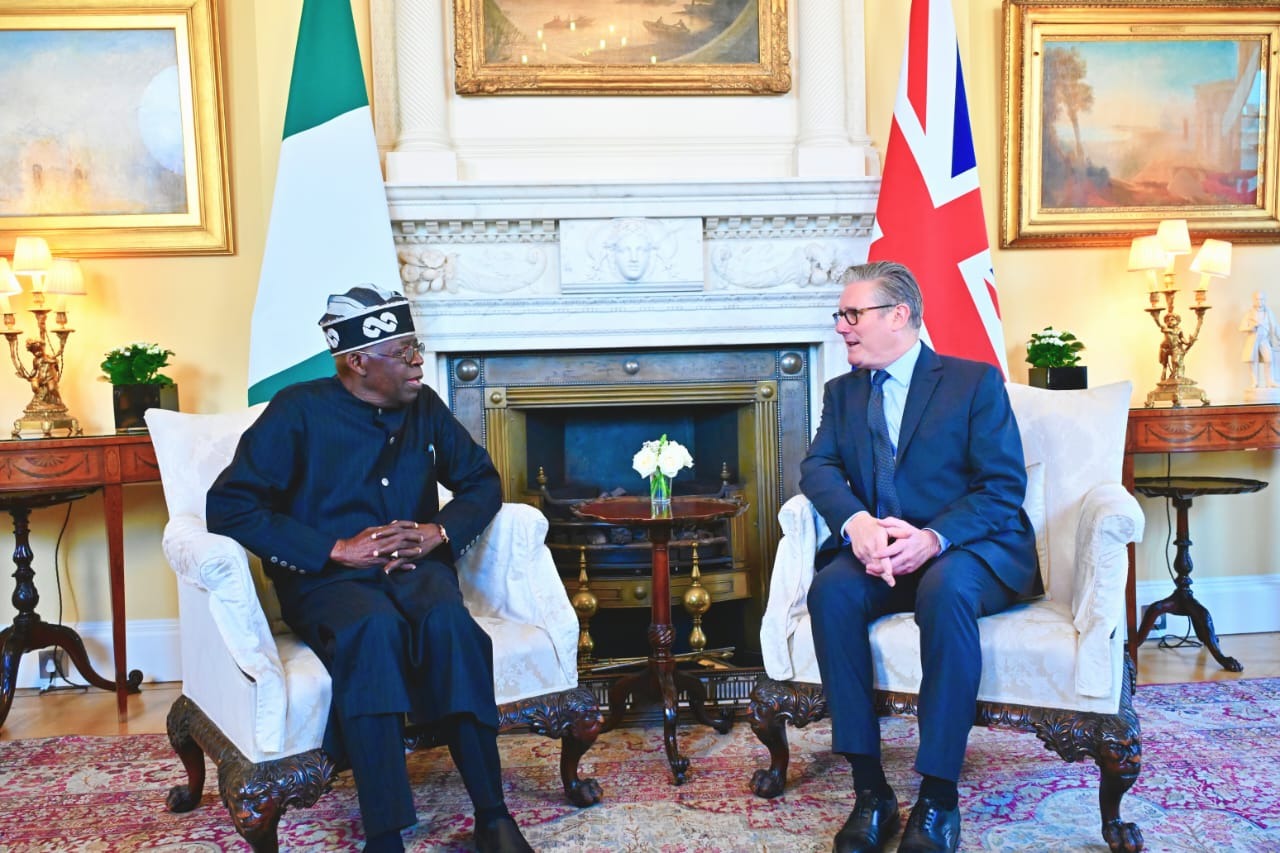
A Historic State Visit Marks New Beginnings for Nigeria and the UK
President Bola Ahmed Tinubu concluded a momentous two-day state visit to the United Kingdom, during which diplomats and analysts highlighted significant economic prospects and diplomatic achievements. However, they emphasized that the real test lies not in optics but in the execution of agreements made.
The visit, hosted at the highest level of British diplomacy by King Charles III, culminated in investment commitments of approximately $1.51 billion. It also involved a range of bilateral agreements aimed at enhancing trade, infrastructure development, and strategic cooperation. The relationship between Nigeria and the UK, rooted in colonial history, has evolved into a robust partnership centered on trade, education, and diaspora relations. In recent years, both nations have actively sought to strengthen their relations, particularly through initiatives like the Enhanced Trade and Investment Partnership (ETIP). Analysts indicate that Tinubu’s visit reflects Nigeria’s efforts to attract foreign capital and build non-European alliances in the post-Brexit landscape.
Central to the visit was the UK Export Finance Support Facility’s £746 million grant to modernize Nigeria’s Lagos and Tin Can Island ports, projects anticipated to boost trade efficiency and alleviate logistical challenges. Additionally, agreements spanning agriculture, energy, and finance were established. These include a major investment in the dairy sector and increased collaboration on initiatives for small and medium-sized enterprises and clean energy. If effectively implemented, these agreements could significantly enhance Nigeria’s competitiveness in global trade, according to economic analysts.
Former Foreign Secretary Professor Bolaji Akinyemi remarked that the UK’s warm reception during this visit has greatly enhanced Nigeria’s global standing. Speaking on ARISE News Channel’s Morning Show, he praised the grandeur of the ceremony in Windsor, stressing that the event offered an important symbolic moment as Nigeria’s first state visit to the UK in 37 years. He urged critics to appreciate the visit’s strategic importance rather than focusing solely on its timing.
Akinyemi observed that the UK’s royal welcome could signal to the world the value placed on Nigeria. He also expressed relief at witnessing President Tinubu’s health during the visit, emphasizing that the display indicated Nigeria’s strength rather than weakness. Nonetheless, he expressed disappointment over the relatively cool reception from British Prime Minister Keir Starmer, suggesting it fell short of expected diplomatic decorum. He noted the disparity in the way the Prime Minister had engaged with Ukraine’s President Zelenskiy and called for more vigorous bilateral engagement from Nigerian authorities.
Describing the UK as a nation that vigorously pursues its interests, Akinyemi urged Nigeria to also champion its own agenda during diplomatic interactions. Drawing on his experiences in the 1980s, he highlighted the necessity of reciprocity in diplomacy, as well as an understanding of cultural nuances when dealing with the monarchy. Despite the optimism surrounding the visit, experts caution that the execution of the agreements poses a significant challenge. Historical difficulties in translating bilateral agreements into measurable outcomes remain a concern, with issues stemming from policy disagreements and inadequate institutional frameworks potentially undermining progress.
Muda Yusuf, CEO of the Center for the Promotion of Private Enterprise, termed the port modernization initiative a potential turning point for Nigeria’s economic landscape. He noted that efficient ports can lower import and export costs, expedite delivery times, and enhance Nigeria’s appeal to global investors. Consistency in policy implementation will ultimately determine whether these promises amount to genuine economic growth.
Governance and strategy expert Yemi Mapaderun agreed that the visit offered avenues for mutually beneficial outcomes. He pointed out that while Nigeria seeks to strengthen its global ties, the UK is also determined to bolster its economy in the aftermath of Brexit. Highlighting Nigeria as the UK’s largest market in Africa, he called for a rebalancing of trade flows, noting that UK exports presently exceed those from Nigeria. Mapaderun underscored the need to revitalize military cooperation between the two countries as well.
International marketing strategist Babatunde Awopetu remarked that the state visit was a rare opportunity for Nigeria to improve its international image. He articulated that this visit, recognized as the highest honor between nations, provides Nigeria the chance to redefine its global relationships. Hosting events at such high levels within the British Royal Family conveys a potent message to international investors about Nigeria’s openness to business and investment opportunities.
On the diplomatic front, Chatham House Associate Fellow Leena Koni Hoffman characterized the visit as a high-level engagement intended to initiate a “new era of partnership.” Yet, she cautioned that such diplomacy may not yield immediate improvements in the living conditions of Nigerians. Notably, bilateral trade between the UK and Nigeria reached £8.1 billion in 2025, although Nigeria still ranks as the UK’s 36th largest trading partner, with a trade balance skewed in favor of the UK. Structural challenges, including power shortages and limited non-oil exports, stand as obstacles that could impede the real benefits of the agreements reached.
